
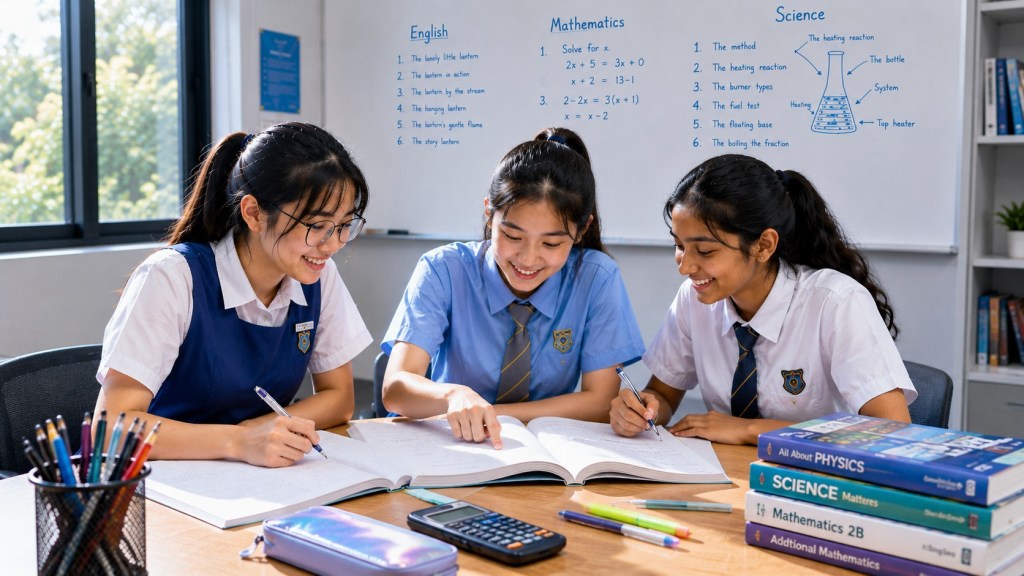
The scientific method for students is not a poster of steps to memorise. It is a disciplined way to turn curiosity into a question, design evidence that can answer that question, collect observations or measurements, decide what the evidence supports, and improve the next investigation. Students can recite words such as hypothesis, independent variable, dependent variable, control, fair test and conclusion yet still struggle when an unfamiliar experiment changes the surface details. The real skill is using those ideas to make decisions.
This Advanced Science Tutorials guide is written for parents and students in Sengkang, Punggol and across Singapore who search for scientific method, variables, fair test, hypothesis, experimental design, data analysis, science investigation and how to write a conclusion. It connects Primary readiness, Primary 3–6, PSLE Science and the transition into Secondary G1, G2 and G3 scientific inquiry.
The existing Scientific Method, Evidence & Measurement | How Science Knows remains the site’s deep conceptual hub. The Science Experiments at Home owner remains the safety-first home-investigation route. This article owns the student-learning question: how do you actually use the scientific method when the question, variables and evidence are not already labelled for you?
A practical investigation cycle
- Notice a phenomenon or problem.
- Turn it into a focused question.
- Identify what could be changed, measured or observed.
- Make a prediction and explain the reason.
- Plan a safe method that can distinguish plausible explanations.
- Collect observations or measurements systematically.
- Organise the data.
- Analyse patterns, variation and anomalies.
- State what the evidence supports.
- Identify limitations and a useful next test.
Safety is part of method
A method that produces data but creates unnecessary risk is not a good method. Students should follow school laboratory rules, teacher instructions and age-appropriate safety guidance. Home investigations should remain low risk. Do not improvise with unknown chemicals, cleaners, medicines, fuels, flames, pressure, mains electricity, batteries opened or shorted, or unsupervised biological cultures.
The adult owns safety. The learner should own as much of the question, prediction, measurement and interpretation as their age and capability allow.
Observation
What it does. Observation is about directly recording what is seen, measured or otherwise detected. In a real investigation this is not merely vocabulary; it changes what evidence can be collected and what conclusion is justified.
Common mistake. Students often make the error of mixing an explanation into the observation. The repair is to show how that mistake changes the inference, not simply replace one word with another.
Primary-level version. Use a concrete comparison, observable outcome and simple language. Ask the child to point to what changed, what was measured and what was kept sufficiently similar. The scientific thinking should come before the formal term.
Secondary-level version. Add measurement quality, sampling, uncertainty, graphical representation and alternative explanations at the depth required by G1, G2 or G3 Science. The concept becomes more precise but should remain linked to the question and evidence.
Diagnostic task. Remove the labels from an unfamiliar investigation and ask the learner to identify where observation appears and why it matters. If the answer depends on recognising a memorised diagram, transfer is weak.
Evidence task. Ask what observation or measurement would strengthen the conclusion and what result would count against it. This forces the learner to treat the method as a test rather than a performance designed to produce the expected answer.
Parent/tutor prompt. “What question are we answering?”, “What else could explain the result?”, and “What would you change to make the evidence stronger?” keep the reasoning visible without giving away the conclusion.
Inference
What it does. Inference is about interpreting observations to propose what may be happening. In a real investigation this is not merely vocabulary; it changes what evidence can be collected and what conclusion is justified.
Common mistake. Students often make the error of presenting an inference as though it were directly measured. The repair is to show how that mistake changes the inference, not simply replace one word with another.
Primary-level version. Use a concrete comparison, observable outcome and simple language. Ask the child to point to what changed, what was measured and what was kept sufficiently similar. The scientific thinking should come before the formal term.
Secondary-level version. Add measurement quality, sampling, uncertainty, graphical representation and alternative explanations at the depth required by G1, G2 or G3 Science. The concept becomes more precise but should remain linked to the question and evidence.
Diagnostic task. Remove the labels from an unfamiliar investigation and ask the learner to identify where inference appears and why it matters. If the answer depends on recognising a memorised diagram, transfer is weak.
Evidence task. Ask what observation or measurement would strengthen the conclusion and what result would count against it. This forces the learner to treat the method as a test rather than a performance designed to produce the expected answer.
Parent/tutor prompt. “What question are we answering?”, “What else could explain the result?”, and “What would you change to make the evidence stronger?” keep the reasoning visible without giving away the conclusion.
Question
What it does. Question is about defining the problem the investigation should answer. In a real investigation this is not merely vocabulary; it changes what evidence can be collected and what conclusion is justified.
Common mistake. Students often make the error of asking something too broad or vague to test. The repair is to show how that mistake changes the inference, not simply replace one word with another.
Primary-level version. Use a concrete comparison, observable outcome and simple language. Ask the child to point to what changed, what was measured and what was kept sufficiently similar. The scientific thinking should come before the formal term.
Secondary-level version. Add measurement quality, sampling, uncertainty, graphical representation and alternative explanations at the depth required by G1, G2 or G3 Science. The concept becomes more precise but should remain linked to the question and evidence.
Diagnostic task. Remove the labels from an unfamiliar investigation and ask the learner to identify where question appears and why it matters. If the answer depends on recognising a memorised diagram, transfer is weak.
Evidence task. Ask what observation or measurement would strengthen the conclusion and what result would count against it. This forces the learner to treat the method as a test rather than a performance designed to produce the expected answer.
Parent/tutor prompt. “What question are we answering?”, “What else could explain the result?”, and “What would you change to make the evidence stronger?” keep the reasoning visible without giving away the conclusion.
Testable question
What it does. Testable question is about framing a question that evidence can realistically address. In a real investigation this is not merely vocabulary; it changes what evidence can be collected and what conclusion is justified.
Common mistake. Students often make the error of choosing a question with no measurable or observable outcome. The repair is to show how that mistake changes the inference, not simply replace one word with another.
Primary-level version. Use a concrete comparison, observable outcome and simple language. Ask the child to point to what changed, what was measured and what was kept sufficiently similar. The scientific thinking should come before the formal term.
Secondary-level version. Add measurement quality, sampling, uncertainty, graphical representation and alternative explanations at the depth required by G1, G2 or G3 Science. The concept becomes more precise but should remain linked to the question and evidence.
Diagnostic task. Remove the labels from an unfamiliar investigation and ask the learner to identify where testable question appears and why it matters. If the answer depends on recognising a memorised diagram, transfer is weak.
Evidence task. Ask what observation or measurement would strengthen the conclusion and what result would count against it. This forces the learner to treat the method as a test rather than a performance designed to produce the expected answer.
Parent/tutor prompt. “What question are we answering?”, “What else could explain the result?”, and “What would you change to make the evidence stronger?” keep the reasoning visible without giving away the conclusion.
Prediction
What it does. Prediction is about stating an expected result before testing. In a real investigation this is not merely vocabulary; it changes what evidence can be collected and what conclusion is justified.
Common mistake. Students often make the error of guessing without a scientific reason. The repair is to show how that mistake changes the inference, not simply replace one word with another.
Primary-level version. Use a concrete comparison, observable outcome and simple language. Ask the child to point to what changed, what was measured and what was kept sufficiently similar. The scientific thinking should come before the formal term.
Secondary-level version. Add measurement quality, sampling, uncertainty, graphical representation and alternative explanations at the depth required by G1, G2 or G3 Science. The concept becomes more precise but should remain linked to the question and evidence.
Diagnostic task. Remove the labels from an unfamiliar investigation and ask the learner to identify where prediction appears and why it matters. If the answer depends on recognising a memorised diagram, transfer is weak.
Evidence task. Ask what observation or measurement would strengthen the conclusion and what result would count against it. This forces the learner to treat the method as a test rather than a performance designed to produce the expected answer.
Parent/tutor prompt. “What question are we answering?”, “What else could explain the result?”, and “What would you change to make the evidence stronger?” keep the reasoning visible without giving away the conclusion.
Hypothesis
What it does. Hypothesis is about proposing a testable explanation or relationship. In a real investigation this is not merely vocabulary; it changes what evidence can be collected and what conclusion is justified.
Common mistake. Students often make the error of using hypothesis as a synonym for prediction. The repair is to show how that mistake changes the inference, not simply replace one word with another.
Primary-level version. Use a concrete comparison, observable outcome and simple language. Ask the child to point to what changed, what was measured and what was kept sufficiently similar. The scientific thinking should come before the formal term.
Secondary-level version. Add measurement quality, sampling, uncertainty, graphical representation and alternative explanations at the depth required by G1, G2 or G3 Science. The concept becomes more precise but should remain linked to the question and evidence.
Diagnostic task. Remove the labels from an unfamiliar investigation and ask the learner to identify where hypothesis appears and why it matters. If the answer depends on recognising a memorised diagram, transfer is weak.
Evidence task. Ask what observation or measurement would strengthen the conclusion and what result would count against it. This forces the learner to treat the method as a test rather than a performance designed to produce the expected answer.
Parent/tutor prompt. “What question are we answering?”, “What else could explain the result?”, and “What would you change to make the evidence stronger?” keep the reasoning visible without giving away the conclusion.
Variable
What it does. Variable is about identifying a factor that can change. In a real investigation this is not merely vocabulary; it changes what evidence can be collected and what conclusion is justified.
Common mistake. Students often make the error of calling every object in the apparatus a variable. The repair is to show how that mistake changes the inference, not simply replace one word with another.
Primary-level version. Use a concrete comparison, observable outcome and simple language. Ask the child to point to what changed, what was measured and what was kept sufficiently similar. The scientific thinking should come before the formal term.
Secondary-level version. Add measurement quality, sampling, uncertainty, graphical representation and alternative explanations at the depth required by G1, G2 or G3 Science. The concept becomes more precise but should remain linked to the question and evidence.
Diagnostic task. Remove the labels from an unfamiliar investigation and ask the learner to identify where variable appears and why it matters. If the answer depends on recognising a memorised diagram, transfer is weak.
Evidence task. Ask what observation or measurement would strengthen the conclusion and what result would count against it. This forces the learner to treat the method as a test rather than a performance designed to produce the expected answer.
Parent/tutor prompt. “What question are we answering?”, “What else could explain the result?”, and “What would you change to make the evidence stronger?” keep the reasoning visible without giving away the conclusion.
Independent variable
What it does. Independent variable is about identifying the factor deliberately varied. In a real investigation this is not merely vocabulary; it changes what evidence can be collected and what conclusion is justified.
Common mistake. Students often make the error of choosing the most visible factor rather than the deliberately changed one. The repair is to show how that mistake changes the inference, not simply replace one word with another.
Primary-level version. Use a concrete comparison, observable outcome and simple language. Ask the child to point to what changed, what was measured and what was kept sufficiently similar. The scientific thinking should come before the formal term.
Secondary-level version. Add measurement quality, sampling, uncertainty, graphical representation and alternative explanations at the depth required by G1, G2 or G3 Science. The concept becomes more precise but should remain linked to the question and evidence.
Diagnostic task. Remove the labels from an unfamiliar investigation and ask the learner to identify where independent variable appears and why it matters. If the answer depends on recognising a memorised diagram, transfer is weak.
Evidence task. Ask what observation or measurement would strengthen the conclusion and what result would count against it. This forces the learner to treat the method as a test rather than a performance designed to produce the expected answer.
Parent/tutor prompt. “What question are we answering?”, “What else could explain the result?”, and “What would you change to make the evidence stronger?” keep the reasoning visible without giving away the conclusion.
Dependent variable
What it does. Dependent variable is about identifying the measured outcome. In a real investigation this is not merely vocabulary; it changes what evidence can be collected and what conclusion is justified.
Common mistake. Students often make the error of naming the object studied instead of the outcome measurement. The repair is to show how that mistake changes the inference, not simply replace one word with another.
Primary-level version. Use a concrete comparison, observable outcome and simple language. Ask the child to point to what changed, what was measured and what was kept sufficiently similar. The scientific thinking should come before the formal term.
Secondary-level version. Add measurement quality, sampling, uncertainty, graphical representation and alternative explanations at the depth required by G1, G2 or G3 Science. The concept becomes more precise but should remain linked to the question and evidence.
Diagnostic task. Remove the labels from an unfamiliar investigation and ask the learner to identify where dependent variable appears and why it matters. If the answer depends on recognising a memorised diagram, transfer is weak.
Evidence task. Ask what observation or measurement would strengthen the conclusion and what result would count against it. This forces the learner to treat the method as a test rather than a performance designed to produce the expected answer.
Parent/tutor prompt. “What question are we answering?”, “What else could explain the result?”, and “What would you change to make the evidence stronger?” keep the reasoning visible without giving away the conclusion.
Controlled variable
What it does. Controlled variable is about keeping important competing factors sufficiently similar. In a real investigation this is not merely vocabulary; it changes what evidence can be collected and what conclusion is justified.
Common mistake. Students often make the error of assuming literally every condition must be identical. The repair is to show how that mistake changes the inference, not simply replace one word with another.
Primary-level version. Use a concrete comparison, observable outcome and simple language. Ask the child to point to what changed, what was measured and what was kept sufficiently similar. The scientific thinking should come before the formal term.
Secondary-level version. Add measurement quality, sampling, uncertainty, graphical representation and alternative explanations at the depth required by G1, G2 or G3 Science. The concept becomes more precise but should remain linked to the question and evidence.
Diagnostic task. Remove the labels from an unfamiliar investigation and ask the learner to identify where controlled variable appears and why it matters. If the answer depends on recognising a memorised diagram, transfer is weak.
Evidence task. Ask what observation or measurement would strengthen the conclusion and what result would count against it. This forces the learner to treat the method as a test rather than a performance designed to produce the expected answer.
Parent/tutor prompt. “What question are we answering?”, “What else could explain the result?”, and “What would you change to make the evidence stronger?” keep the reasoning visible without giving away the conclusion.
Control condition
What it does. Control condition is about providing a baseline comparison. In a real investigation this is not merely vocabulary; it changes what evidence can be collected and what conclusion is justified.
Common mistake. Students often make the error of confusing the control condition with controlled variables. The repair is to show how that mistake changes the inference, not simply replace one word with another.
Primary-level version. Use a concrete comparison, observable outcome and simple language. Ask the child to point to what changed, what was measured and what was kept sufficiently similar. The scientific thinking should come before the formal term.
Secondary-level version. Add measurement quality, sampling, uncertainty, graphical representation and alternative explanations at the depth required by G1, G2 or G3 Science. The concept becomes more precise but should remain linked to the question and evidence.
Diagnostic task. Remove the labels from an unfamiliar investigation and ask the learner to identify where control condition appears and why it matters. If the answer depends on recognising a memorised diagram, transfer is weak.
Evidence task. Ask what observation or measurement would strengthen the conclusion and what result would count against it. This forces the learner to treat the method as a test rather than a performance designed to produce the expected answer.
Parent/tutor prompt. “What question are we answering?”, “What else could explain the result?”, and “What would you change to make the evidence stronger?” keep the reasoning visible without giving away the conclusion.
Fair test
What it does. Fair test is about designing a comparison so the tested factor is a credible explanation. In a real investigation this is not merely vocabulary; it changes what evidence can be collected and what conclusion is justified.
Common mistake. Students often make the error of reciting ‘change one thing’ without considering alternative causes. The repair is to show how that mistake changes the inference, not simply replace one word with another.
Primary-level version. Use a concrete comparison, observable outcome and simple language. Ask the child to point to what changed, what was measured and what was kept sufficiently similar. The scientific thinking should come before the formal term.
Secondary-level version. Add measurement quality, sampling, uncertainty, graphical representation and alternative explanations at the depth required by G1, G2 or G3 Science. The concept becomes more precise but should remain linked to the question and evidence.
Diagnostic task. Remove the labels from an unfamiliar investigation and ask the learner to identify where fair test appears and why it matters. If the answer depends on recognising a memorised diagram, transfer is weak.
Evidence task. Ask what observation or measurement would strengthen the conclusion and what result would count against it. This forces the learner to treat the method as a test rather than a performance designed to produce the expected answer.
Parent/tutor prompt. “What question are we answering?”, “What else could explain the result?”, and “What would you change to make the evidence stronger?” keep the reasoning visible without giving away the conclusion.
Operational definition
What it does. Operational definition is about defining exactly how a variable will be measured or classified. In a real investigation this is not merely vocabulary; it changes what evidence can be collected and what conclusion is justified.
Common mistake. Students often make the error of using vague outcomes such as ‘grew better’. The repair is to show how that mistake changes the inference, not simply replace one word with another.
Primary-level version. Use a concrete comparison, observable outcome and simple language. Ask the child to point to what changed, what was measured and what was kept sufficiently similar. The scientific thinking should come before the formal term.
Secondary-level version. Add measurement quality, sampling, uncertainty, graphical representation and alternative explanations at the depth required by G1, G2 or G3 Science. The concept becomes more precise but should remain linked to the question and evidence.
Diagnostic task. Remove the labels from an unfamiliar investigation and ask the learner to identify where operational definition appears and why it matters. If the answer depends on recognising a memorised diagram, transfer is weak.
Evidence task. Ask what observation or measurement would strengthen the conclusion and what result would count against it. This forces the learner to treat the method as a test rather than a performance designed to produce the expected answer.
Parent/tutor prompt. “What question are we answering?”, “What else could explain the result?”, and “What would you change to make the evidence stronger?” keep the reasoning visible without giving away the conclusion.
Method
What it does. Method is about specifying repeatable procedures. In a real investigation this is not merely vocabulary; it changes what evidence can be collected and what conclusion is justified.
Common mistake. Students often make the error of omitting quantities, timing, measurement rules or order. The repair is to show how that mistake changes the inference, not simply replace one word with another.
Primary-level version. Use a concrete comparison, observable outcome and simple language. Ask the child to point to what changed, what was measured and what was kept sufficiently similar. The scientific thinking should come before the formal term.
Secondary-level version. Add measurement quality, sampling, uncertainty, graphical representation and alternative explanations at the depth required by G1, G2 or G3 Science. The concept becomes more precise but should remain linked to the question and evidence.
Diagnostic task. Remove the labels from an unfamiliar investigation and ask the learner to identify where method appears and why it matters. If the answer depends on recognising a memorised diagram, transfer is weak.
Evidence task. Ask what observation or measurement would strengthen the conclusion and what result would count against it. This forces the learner to treat the method as a test rather than a performance designed to produce the expected answer.
Parent/tutor prompt. “What question are we answering?”, “What else could explain the result?”, and “What would you change to make the evidence stronger?” keep the reasoning visible without giving away the conclusion.
Apparatus
What it does. Apparatus is about choosing equipment appropriate to the measurement and range. In a real investigation this is not merely vocabulary; it changes what evidence can be collected and what conclusion is justified.
Common mistake. Students often make the error of listing equipment without connecting it to purpose. The repair is to show how that mistake changes the inference, not simply replace one word with another.
Primary-level version. Use a concrete comparison, observable outcome and simple language. Ask the child to point to what changed, what was measured and what was kept sufficiently similar. The scientific thinking should come before the formal term.
Secondary-level version. Add measurement quality, sampling, uncertainty, graphical representation and alternative explanations at the depth required by G1, G2 or G3 Science. The concept becomes more precise but should remain linked to the question and evidence.
Diagnostic task. Remove the labels from an unfamiliar investigation and ask the learner to identify where apparatus appears and why it matters. If the answer depends on recognising a memorised diagram, transfer is weak.
Evidence task. Ask what observation or measurement would strengthen the conclusion and what result would count against it. This forces the learner to treat the method as a test rather than a performance designed to produce the expected answer.
Parent/tutor prompt. “What question are we answering?”, “What else could explain the result?”, and “What would you change to make the evidence stronger?” keep the reasoning visible without giving away the conclusion.
Measurement
What it does. Measurement is about assigning values to quantities using instruments and units. In a real investigation this is not merely vocabulary; it changes what evidence can be collected and what conclusion is justified.
Common mistake. Students often make the error of treating a displayed number as exact truth. The repair is to show how that mistake changes the inference, not simply replace one word with another.
Primary-level version. Use a concrete comparison, observable outcome and simple language. Ask the child to point to what changed, what was measured and what was kept sufficiently similar. The scientific thinking should come before the formal term.
Secondary-level version. Add measurement quality, sampling, uncertainty, graphical representation and alternative explanations at the depth required by G1, G2 or G3 Science. The concept becomes more precise but should remain linked to the question and evidence.
Diagnostic task. Remove the labels from an unfamiliar investigation and ask the learner to identify where measurement appears and why it matters. If the answer depends on recognising a memorised diagram, transfer is weak.
Evidence task. Ask what observation or measurement would strengthen the conclusion and what result would count against it. This forces the learner to treat the method as a test rather than a performance designed to produce the expected answer.
Parent/tutor prompt. “What question are we answering?”, “What else could explain the result?”, and “What would you change to make the evidence stronger?” keep the reasoning visible without giving away the conclusion.
Unit
What it does. Unit is about communicating what kind of quantity a number represents. In a real investigation this is not merely vocabulary; it changes what evidence can be collected and what conclusion is justified.
Common mistake. Students often make the error of adding units only as decoration at the end. The repair is to show how that mistake changes the inference, not simply replace one word with another.
Primary-level version. Use a concrete comparison, observable outcome and simple language. Ask the child to point to what changed, what was measured and what was kept sufficiently similar. The scientific thinking should come before the formal term.
Secondary-level version. Add measurement quality, sampling, uncertainty, graphical representation and alternative explanations at the depth required by G1, G2 or G3 Science. The concept becomes more precise but should remain linked to the question and evidence.
Diagnostic task. Remove the labels from an unfamiliar investigation and ask the learner to identify where unit appears and why it matters. If the answer depends on recognising a memorised diagram, transfer is weak.
Evidence task. Ask what observation or measurement would strengthen the conclusion and what result would count against it. This forces the learner to treat the method as a test rather than a performance designed to produce the expected answer.
Parent/tutor prompt. “What question are we answering?”, “What else could explain the result?”, and “What would you change to make the evidence stronger?” keep the reasoning visible without giving away the conclusion.
Resolution
What it does. Resolution is about recognising the smallest distinguishable instrument change. In a real investigation this is not merely vocabulary; it changes what evidence can be collected and what conclusion is justified.
Common mistake. Students often make the error of assuming more displayed digits always mean more accurate measurement. The repair is to show how that mistake changes the inference, not simply replace one word with another.
Primary-level version. Use a concrete comparison, observable outcome and simple language. Ask the child to point to what changed, what was measured and what was kept sufficiently similar. The scientific thinking should come before the formal term.
Secondary-level version. Add measurement quality, sampling, uncertainty, graphical representation and alternative explanations at the depth required by G1, G2 or G3 Science. The concept becomes more precise but should remain linked to the question and evidence.
Diagnostic task. Remove the labels from an unfamiliar investigation and ask the learner to identify where resolution appears and why it matters. If the answer depends on recognising a memorised diagram, transfer is weak.
Evidence task. Ask what observation or measurement would strengthen the conclusion and what result would count against it. This forces the learner to treat the method as a test rather than a performance designed to produce the expected answer.
Parent/tutor prompt. “What question are we answering?”, “What else could explain the result?”, and “What would you change to make the evidence stronger?” keep the reasoning visible without giving away the conclusion.
Calibration
What it does. Calibration is about checking measurement against a known reference. In a real investigation this is not merely vocabulary; it changes what evidence can be collected and what conclusion is justified.
Common mistake. Students often make the error of assuming a digital instrument needs no verification. The repair is to show how that mistake changes the inference, not simply replace one word with another.
Primary-level version. Use a concrete comparison, observable outcome and simple language. Ask the child to point to what changed, what was measured and what was kept sufficiently similar. The scientific thinking should come before the formal term.
Secondary-level version. Add measurement quality, sampling, uncertainty, graphical representation and alternative explanations at the depth required by G1, G2 or G3 Science. The concept becomes more precise but should remain linked to the question and evidence.
Diagnostic task. Remove the labels from an unfamiliar investigation and ask the learner to identify where calibration appears and why it matters. If the answer depends on recognising a memorised diagram, transfer is weak.
Evidence task. Ask what observation or measurement would strengthen the conclusion and what result would count against it. This forces the learner to treat the method as a test rather than a performance designed to produce the expected answer.
Parent/tutor prompt. “What question are we answering?”, “What else could explain the result?”, and “What would you change to make the evidence stronger?” keep the reasoning visible without giving away the conclusion.
Accuracy
What it does. Accuracy is about judging closeness to a reference value where meaningful. In a real investigation this is not merely vocabulary; it changes what evidence can be collected and what conclusion is justified.
Common mistake. Students often make the error of confusing accuracy with consistency. The repair is to show how that mistake changes the inference, not simply replace one word with another.
Primary-level version. Use a concrete comparison, observable outcome and simple language. Ask the child to point to what changed, what was measured and what was kept sufficiently similar. The scientific thinking should come before the formal term.
Secondary-level version. Add measurement quality, sampling, uncertainty, graphical representation and alternative explanations at the depth required by G1, G2 or G3 Science. The concept becomes more precise but should remain linked to the question and evidence.
Diagnostic task. Remove the labels from an unfamiliar investigation and ask the learner to identify where accuracy appears and why it matters. If the answer depends on recognising a memorised diagram, transfer is weak.
Evidence task. Ask what observation or measurement would strengthen the conclusion and what result would count against it. This forces the learner to treat the method as a test rather than a performance designed to produce the expected answer.
Parent/tutor prompt. “What question are we answering?”, “What else could explain the result?”, and “What would you change to make the evidence stronger?” keep the reasoning visible without giving away the conclusion.
Precision
What it does. Precision is about judging closeness among repeated measurements. In a real investigation this is not merely vocabulary; it changes what evidence can be collected and what conclusion is justified.
Common mistake. Students often make the error of assuming precise measurements must be accurate. The repair is to show how that mistake changes the inference, not simply replace one word with another.
Primary-level version. Use a concrete comparison, observable outcome and simple language. Ask the child to point to what changed, what was measured and what was kept sufficiently similar. The scientific thinking should come before the formal term.
Secondary-level version. Add measurement quality, sampling, uncertainty, graphical representation and alternative explanations at the depth required by G1, G2 or G3 Science. The concept becomes more precise but should remain linked to the question and evidence.
Diagnostic task. Remove the labels from an unfamiliar investigation and ask the learner to identify where precision appears and why it matters. If the answer depends on recognising a memorised diagram, transfer is weak.
Evidence task. Ask what observation or measurement would strengthen the conclusion and what result would count against it. This forces the learner to treat the method as a test rather than a performance designed to produce the expected answer.
Parent/tutor prompt. “What question are we answering?”, “What else could explain the result?”, and “What would you change to make the evidence stronger?” keep the reasoning visible without giving away the conclusion.
Reliability
What it does. Reliability is about judging whether a method yields dependable evidence. In a real investigation this is not merely vocabulary; it changes what evidence can be collected and what conclusion is justified.
Common mistake. Students often make the error of using reliability as a synonym for accuracy. The repair is to show how that mistake changes the inference, not simply replace one word with another.
Primary-level version. Use a concrete comparison, observable outcome and simple language. Ask the child to point to what changed, what was measured and what was kept sufficiently similar. The scientific thinking should come before the formal term.
Secondary-level version. Add measurement quality, sampling, uncertainty, graphical representation and alternative explanations at the depth required by G1, G2 or G3 Science. The concept becomes more precise but should remain linked to the question and evidence.
Diagnostic task. Remove the labels from an unfamiliar investigation and ask the learner to identify where reliability appears and why it matters. If the answer depends on recognising a memorised diagram, transfer is weak.
Evidence task. Ask what observation or measurement would strengthen the conclusion and what result would count against it. This forces the learner to treat the method as a test rather than a performance designed to produce the expected answer.
Parent/tutor prompt. “What question are we answering?”, “What else could explain the result?”, and “What would you change to make the evidence stronger?” keep the reasoning visible without giving away the conclusion.
Validity
What it does. Validity is about judging whether the design measures what it claims to measure. In a real investigation this is not merely vocabulary; it changes what evidence can be collected and what conclusion is justified.
Common mistake. Students often make the error of assuming any fair-looking procedure answers the intended question. The repair is to show how that mistake changes the inference, not simply replace one word with another.
Primary-level version. Use a concrete comparison, observable outcome and simple language. Ask the child to point to what changed, what was measured and what was kept sufficiently similar. The scientific thinking should come before the formal term.
Secondary-level version. Add measurement quality, sampling, uncertainty, graphical representation and alternative explanations at the depth required by G1, G2 or G3 Science. The concept becomes more precise but should remain linked to the question and evidence.
Diagnostic task. Remove the labels from an unfamiliar investigation and ask the learner to identify where validity appears and why it matters. If the answer depends on recognising a memorised diagram, transfer is weak.
Evidence task. Ask what observation or measurement would strengthen the conclusion and what result would count against it. This forces the learner to treat the method as a test rather than a performance designed to produce the expected answer.
Parent/tutor prompt. “What question are we answering?”, “What else could explain the result?”, and “What would you change to make the evidence stronger?” keep the reasoning visible without giving away the conclusion.
Repeat trial
What it does. Repeat trial is about repeating measurement under similar conditions. In a real investigation this is not merely vocabulary; it changes what evidence can be collected and what conclusion is justified.
Common mistake. Students often make the error of repeating without using the repeat data. The repair is to show how that mistake changes the inference, not simply replace one word with another.
Primary-level version. Use a concrete comparison, observable outcome and simple language. Ask the child to point to what changed, what was measured and what was kept sufficiently similar. The scientific thinking should come before the formal term.
Secondary-level version. Add measurement quality, sampling, uncertainty, graphical representation and alternative explanations at the depth required by G1, G2 or G3 Science. The concept becomes more precise but should remain linked to the question and evidence.
Diagnostic task. Remove the labels from an unfamiliar investigation and ask the learner to identify where repeat trial appears and why it matters. If the answer depends on recognising a memorised diagram, transfer is weak.
Evidence task. Ask what observation or measurement would strengthen the conclusion and what result would count against it. This forces the learner to treat the method as a test rather than a performance designed to produce the expected answer.
Parent/tutor prompt. “What question are we answering?”, “What else could explain the result?”, and “What would you change to make the evidence stronger?” keep the reasoning visible without giving away the conclusion.
Replication
What it does. Replication is about obtaining evidence from independent repetitions or units. In a real investigation this is not merely vocabulary; it changes what evidence can be collected and what conclusion is justified.
Common mistake. Students often make the error of confusing replication with rereading the same measurement. The repair is to show how that mistake changes the inference, not simply replace one word with another.
Primary-level version. Use a concrete comparison, observable outcome and simple language. Ask the child to point to what changed, what was measured and what was kept sufficiently similar. The scientific thinking should come before the formal term.
Secondary-level version. Add measurement quality, sampling, uncertainty, graphical representation and alternative explanations at the depth required by G1, G2 or G3 Science. The concept becomes more precise but should remain linked to the question and evidence.
Diagnostic task. Remove the labels from an unfamiliar investigation and ask the learner to identify where replication appears and why it matters. If the answer depends on recognising a memorised diagram, transfer is weak.
Evidence task. Ask what observation or measurement would strengthen the conclusion and what result would count against it. This forces the learner to treat the method as a test rather than a performance designed to produce the expected answer.
Parent/tutor prompt. “What question are we answering?”, “What else could explain the result?”, and “What would you change to make the evidence stronger?” keep the reasoning visible without giving away the conclusion.
Sample
What it does. Sample is about using a subset to learn about a larger population. In a real investigation this is not merely vocabulary; it changes what evidence can be collected and what conclusion is justified.
Common mistake. Students often make the error of assuming any convenient sample represents the whole. The repair is to show how that mistake changes the inference, not simply replace one word with another.
Primary-level version. Use a concrete comparison, observable outcome and simple language. Ask the child to point to what changed, what was measured and what was kept sufficiently similar. The scientific thinking should come before the formal term.
Secondary-level version. Add measurement quality, sampling, uncertainty, graphical representation and alternative explanations at the depth required by G1, G2 or G3 Science. The concept becomes more precise but should remain linked to the question and evidence.
Diagnostic task. Remove the labels from an unfamiliar investigation and ask the learner to identify where sample appears and why it matters. If the answer depends on recognising a memorised diagram, transfer is weak.
Evidence task. Ask what observation or measurement would strengthen the conclusion and what result would count against it. This forces the learner to treat the method as a test rather than a performance designed to produce the expected answer.
Parent/tutor prompt. “What question are we answering?”, “What else could explain the result?”, and “What would you change to make the evidence stronger?” keep the reasoning visible without giving away the conclusion.
Population
What it does. Population is about defining the group to which the conclusion applies. In a real investigation this is not merely vocabulary; it changes what evidence can be collected and what conclusion is justified.
Common mistake. Students often make the error of generalising beyond the actual population studied. The repair is to show how that mistake changes the inference, not simply replace one word with another.
Primary-level version. Use a concrete comparison, observable outcome and simple language. Ask the child to point to what changed, what was measured and what was kept sufficiently similar. The scientific thinking should come before the formal term.
Secondary-level version. Add measurement quality, sampling, uncertainty, graphical representation and alternative explanations at the depth required by G1, G2 or G3 Science. The concept becomes more precise but should remain linked to the question and evidence.
Diagnostic task. Remove the labels from an unfamiliar investigation and ask the learner to identify where population appears and why it matters. If the answer depends on recognising a memorised diagram, transfer is weak.
Evidence task. Ask what observation or measurement would strengthen the conclusion and what result would count against it. This forces the learner to treat the method as a test rather than a performance designed to produce the expected answer.
Parent/tutor prompt. “What question are we answering?”, “What else could explain the result?”, and “What would you change to make the evidence stronger?” keep the reasoning visible without giving away the conclusion.
Sample size
What it does. Sample size is about deciding how many independent units or observations are included. In a real investigation this is not merely vocabulary; it changes what evidence can be collected and what conclusion is justified.
Common mistake. Students often make the error of assuming a large sample fixes biased sampling. The repair is to show how that mistake changes the inference, not simply replace one word with another.
Primary-level version. Use a concrete comparison, observable outcome and simple language. Ask the child to point to what changed, what was measured and what was kept sufficiently similar. The scientific thinking should come before the formal term.
Secondary-level version. Add measurement quality, sampling, uncertainty, graphical representation and alternative explanations at the depth required by G1, G2 or G3 Science. The concept becomes more precise but should remain linked to the question and evidence.
Diagnostic task. Remove the labels from an unfamiliar investigation and ask the learner to identify where sample size appears and why it matters. If the answer depends on recognising a memorised diagram, transfer is weak.
Evidence task. Ask what observation or measurement would strengthen the conclusion and what result would count against it. This forces the learner to treat the method as a test rather than a performance designed to produce the expected answer.
Parent/tutor prompt. “What question are we answering?”, “What else could explain the result?”, and “What would you change to make the evidence stronger?” keep the reasoning visible without giving away the conclusion.
Random sampling
What it does. Random sampling is about selecting units by a defined random process. In a real investigation this is not merely vocabulary; it changes what evidence can be collected and what conclusion is justified.
Common mistake. Students often make the error of confusing random with haphazard. The repair is to show how that mistake changes the inference, not simply replace one word with another.
Primary-level version. Use a concrete comparison, observable outcome and simple language. Ask the child to point to what changed, what was measured and what was kept sufficiently similar. The scientific thinking should come before the formal term.
Secondary-level version. Add measurement quality, sampling, uncertainty, graphical representation and alternative explanations at the depth required by G1, G2 or G3 Science. The concept becomes more precise but should remain linked to the question and evidence.
Diagnostic task. Remove the labels from an unfamiliar investigation and ask the learner to identify where random sampling appears and why it matters. If the answer depends on recognising a memorised diagram, transfer is weak.
Evidence task. Ask what observation or measurement would strengthen the conclusion and what result would count against it. This forces the learner to treat the method as a test rather than a performance designed to produce the expected answer.
Parent/tutor prompt. “What question are we answering?”, “What else could explain the result?”, and “What would you change to make the evidence stronger?” keep the reasoning visible without giving away the conclusion.
Random assignment
What it does. Random assignment is about assigning experimental units to treatments randomly. In a real investigation this is not merely vocabulary; it changes what evidence can be collected and what conclusion is justified.
Common mistake. Students often make the error of confusing assignment with sampling. The repair is to show how that mistake changes the inference, not simply replace one word with another.
Primary-level version. Use a concrete comparison, observable outcome and simple language. Ask the child to point to what changed, what was measured and what was kept sufficiently similar. The scientific thinking should come before the formal term.
Secondary-level version. Add measurement quality, sampling, uncertainty, graphical representation and alternative explanations at the depth required by G1, G2 or G3 Science. The concept becomes more precise but should remain linked to the question and evidence.
Diagnostic task. Remove the labels from an unfamiliar investigation and ask the learner to identify where random assignment appears and why it matters. If the answer depends on recognising a memorised diagram, transfer is weak.
Evidence task. Ask what observation or measurement would strengthen the conclusion and what result would count against it. This forces the learner to treat the method as a test rather than a performance designed to produce the expected answer.
Parent/tutor prompt. “What question are we answering?”, “What else could explain the result?”, and “What would you change to make the evidence stronger?” keep the reasoning visible without giving away the conclusion.
Bias
What it does. Bias is about identifying systematic influences on evidence. In a real investigation this is not merely vocabulary; it changes what evidence can be collected and what conclusion is justified.
Common mistake. Students often make the error of treating bias only as deliberate dishonesty. The repair is to show how that mistake changes the inference, not simply replace one word with another.
Primary-level version. Use a concrete comparison, observable outcome and simple language. Ask the child to point to what changed, what was measured and what was kept sufficiently similar. The scientific thinking should come before the formal term.
Secondary-level version. Add measurement quality, sampling, uncertainty, graphical representation and alternative explanations at the depth required by G1, G2 or G3 Science. The concept becomes more precise but should remain linked to the question and evidence.
Diagnostic task. Remove the labels from an unfamiliar investigation and ask the learner to identify where bias appears and why it matters. If the answer depends on recognising a memorised diagram, transfer is weak.
Evidence task. Ask what observation or measurement would strengthen the conclusion and what result would count against it. This forces the learner to treat the method as a test rather than a performance designed to produce the expected answer.
Parent/tutor prompt. “What question are we answering?”, “What else could explain the result?”, and “What would you change to make the evidence stronger?” keep the reasoning visible without giving away the conclusion.
Confounding
What it does. Confounding is about recognising alternative factors linked to condition and outcome. In a real investigation this is not merely vocabulary; it changes what evidence can be collected and what conclusion is justified.
Common mistake. Students often make the error of calling every uncontrolled variable a confounder. The repair is to show how that mistake changes the inference, not simply replace one word with another.
Primary-level version. Use a concrete comparison, observable outcome and simple language. Ask the child to point to what changed, what was measured and what was kept sufficiently similar. The scientific thinking should come before the formal term.
Secondary-level version. Add measurement quality, sampling, uncertainty, graphical representation and alternative explanations at the depth required by G1, G2 or G3 Science. The concept becomes more precise but should remain linked to the question and evidence.
Diagnostic task. Remove the labels from an unfamiliar investigation and ask the learner to identify where confounding appears and why it matters. If the answer depends on recognising a memorised diagram, transfer is weak.
Evidence task. Ask what observation or measurement would strengthen the conclusion and what result would count against it. This forces the learner to treat the method as a test rather than a performance designed to produce the expected answer.
Parent/tutor prompt. “What question are we answering?”, “What else could explain the result?”, and “What would you change to make the evidence stronger?” keep the reasoning visible without giving away the conclusion.
Baseline
What it does. Baseline is about measuring starting conditions. In a real investigation this is not merely vocabulary; it changes what evidence can be collected and what conclusion is justified.
Common mistake. Students often make the error of assuming groups started identical without evidence. The repair is to show how that mistake changes the inference, not simply replace one word with another.
Primary-level version. Use a concrete comparison, observable outcome and simple language. Ask the child to point to what changed, what was measured and what was kept sufficiently similar. The scientific thinking should come before the formal term.
Secondary-level version. Add measurement quality, sampling, uncertainty, graphical representation and alternative explanations at the depth required by G1, G2 or G3 Science. The concept becomes more precise but should remain linked to the question and evidence.
Diagnostic task. Remove the labels from an unfamiliar investigation and ask the learner to identify where baseline appears and why it matters. If the answer depends on recognising a memorised diagram, transfer is weak.
Evidence task. Ask what observation or measurement would strengthen the conclusion and what result would count against it. This forces the learner to treat the method as a test rather than a performance designed to produce the expected answer.
Parent/tutor prompt. “What question are we answering?”, “What else could explain the result?”, and “What would you change to make the evidence stronger?” keep the reasoning visible without giving away the conclusion.
Data
What it does. Data is about recording observations or measurements systematically. In a real investigation this is not merely vocabulary; it changes what evidence can be collected and what conclusion is justified.
Common mistake. Students often make the error of assuming data means numbers only. The repair is to show how that mistake changes the inference, not simply replace one word with another.
Primary-level version. Use a concrete comparison, observable outcome and simple language. Ask the child to point to what changed, what was measured and what was kept sufficiently similar. The scientific thinking should come before the formal term.
Secondary-level version. Add measurement quality, sampling, uncertainty, graphical representation and alternative explanations at the depth required by G1, G2 or G3 Science. The concept becomes more precise but should remain linked to the question and evidence.
Diagnostic task. Remove the labels from an unfamiliar investigation and ask the learner to identify where data appears and why it matters. If the answer depends on recognising a memorised diagram, transfer is weak.
Evidence task. Ask what observation or measurement would strengthen the conclusion and what result would count against it. This forces the learner to treat the method as a test rather than a performance designed to produce the expected answer.
Parent/tutor prompt. “What question are we answering?”, “What else could explain the result?”, and “What would you change to make the evidence stronger?” keep the reasoning visible without giving away the conclusion.
Raw data
What it does. Raw data is about preserving original observations before summarisation. In a real investigation this is not merely vocabulary; it changes what evidence can be collected and what conclusion is justified.
Common mistake. Students often make the error of calling averages or graphs raw data. The repair is to show how that mistake changes the inference, not simply replace one word with another.
Primary-level version. Use a concrete comparison, observable outcome and simple language. Ask the child to point to what changed, what was measured and what was kept sufficiently similar. The scientific thinking should come before the formal term.
Secondary-level version. Add measurement quality, sampling, uncertainty, graphical representation and alternative explanations at the depth required by G1, G2 or G3 Science. The concept becomes more precise but should remain linked to the question and evidence.
Diagnostic task. Remove the labels from an unfamiliar investigation and ask the learner to identify where raw data appears and why it matters. If the answer depends on recognising a memorised diagram, transfer is weak.
Evidence task. Ask what observation or measurement would strengthen the conclusion and what result would count against it. This forces the learner to treat the method as a test rather than a performance designed to produce the expected answer.
Parent/tutor prompt. “What question are we answering?”, “What else could explain the result?”, and “What would you change to make the evidence stronger?” keep the reasoning visible without giving away the conclusion.
Data table
What it does. Data table is about organising measurements with headings and units. In a real investigation this is not merely vocabulary; it changes what evidence can be collected and what conclusion is justified.
Common mistake. Students often make the error of creating the table after collection and losing structure. The repair is to show how that mistake changes the inference, not simply replace one word with another.
Primary-level version. Use a concrete comparison, observable outcome and simple language. Ask the child to point to what changed, what was measured and what was kept sufficiently similar. The scientific thinking should come before the formal term.
Secondary-level version. Add measurement quality, sampling, uncertainty, graphical representation and alternative explanations at the depth required by G1, G2 or G3 Science. The concept becomes more precise but should remain linked to the question and evidence.
Diagnostic task. Remove the labels from an unfamiliar investigation and ask the learner to identify where data table appears and why it matters. If the answer depends on recognising a memorised diagram, transfer is weak.
Evidence task. Ask what observation or measurement would strengthen the conclusion and what result would count against it. This forces the learner to treat the method as a test rather than a performance designed to produce the expected answer.
Parent/tutor prompt. “What question are we answering?”, “What else could explain the result?”, and “What would you change to make the evidence stronger?” keep the reasoning visible without giving away the conclusion.
Mean
What it does. Mean is about summarising values with an arithmetic average. In a real investigation this is not merely vocabulary; it changes what evidence can be collected and what conclusion is justified.
Common mistake. Students often make the error of using the mean automatically when outliers or data type make it misleading. The repair is to show how that mistake changes the inference, not simply replace one word with another.
Primary-level version. Use a concrete comparison, observable outcome and simple language. Ask the child to point to what changed, what was measured and what was kept sufficiently similar. The scientific thinking should come before the formal term.
Secondary-level version. Add measurement quality, sampling, uncertainty, graphical representation and alternative explanations at the depth required by G1, G2 or G3 Science. The concept becomes more precise but should remain linked to the question and evidence.
Diagnostic task. Remove the labels from an unfamiliar investigation and ask the learner to identify where mean appears and why it matters. If the answer depends on recognising a memorised diagram, transfer is weak.
Evidence task. Ask what observation or measurement would strengthen the conclusion and what result would count against it. This forces the learner to treat the method as a test rather than a performance designed to produce the expected answer.
Parent/tutor prompt. “What question are we answering?”, “What else could explain the result?”, and “What would you change to make the evidence stronger?” keep the reasoning visible without giving away the conclusion.
Median
What it does. Median is about summarising the middle ordered value. In a real investigation this is not merely vocabulary; it changes what evidence can be collected and what conclusion is justified.
Common mistake. Students often make the error of memorising the rule without understanding robustness to extremes. The repair is to show how that mistake changes the inference, not simply replace one word with another.
Primary-level version. Use a concrete comparison, observable outcome and simple language. Ask the child to point to what changed, what was measured and what was kept sufficiently similar. The scientific thinking should come before the formal term.
Secondary-level version. Add measurement quality, sampling, uncertainty, graphical representation and alternative explanations at the depth required by G1, G2 or G3 Science. The concept becomes more precise but should remain linked to the question and evidence.
Diagnostic task. Remove the labels from an unfamiliar investigation and ask the learner to identify where median appears and why it matters. If the answer depends on recognising a memorised diagram, transfer is weak.
Evidence task. Ask what observation or measurement would strengthen the conclusion and what result would count against it. This forces the learner to treat the method as a test rather than a performance designed to produce the expected answer.
Parent/tutor prompt. “What question are we answering?”, “What else could explain the result?”, and “What would you change to make the evidence stronger?” keep the reasoning visible without giving away the conclusion.
Range
What it does. Range is about describing max-minus-min spread. In a real investigation this is not merely vocabulary; it changes what evidence can be collected and what conclusion is justified.
Common mistake. Students often make the error of treating range as a complete picture of variability. The repair is to show how that mistake changes the inference, not simply replace one word with another.
Primary-level version. Use a concrete comparison, observable outcome and simple language. Ask the child to point to what changed, what was measured and what was kept sufficiently similar. The scientific thinking should come before the formal term.
Secondary-level version. Add measurement quality, sampling, uncertainty, graphical representation and alternative explanations at the depth required by G1, G2 or G3 Science. The concept becomes more precise but should remain linked to the question and evidence.
Diagnostic task. Remove the labels from an unfamiliar investigation and ask the learner to identify where range appears and why it matters. If the answer depends on recognising a memorised diagram, transfer is weak.
Evidence task. Ask what observation or measurement would strengthen the conclusion and what result would count against it. This forces the learner to treat the method as a test rather than a performance designed to produce the expected answer.
Parent/tutor prompt. “What question are we answering?”, “What else could explain the result?”, and “What would you change to make the evidence stronger?” keep the reasoning visible without giving away the conclusion.
Graph
What it does. Graph is about representing data visually to reveal patterns. In a real investigation this is not merely vocabulary; it changes what evidence can be collected and what conclusion is justified.
Common mistake. Students often make the error of choosing graph type by habit rather than data structure. The repair is to show how that mistake changes the inference, not simply replace one word with another.
Primary-level version. Use a concrete comparison, observable outcome and simple language. Ask the child to point to what changed, what was measured and what was kept sufficiently similar. The scientific thinking should come before the formal term.
Secondary-level version. Add measurement quality, sampling, uncertainty, graphical representation and alternative explanations at the depth required by G1, G2 or G3 Science. The concept becomes more precise but should remain linked to the question and evidence.
Diagnostic task. Remove the labels from an unfamiliar investigation and ask the learner to identify where graph appears and why it matters. If the answer depends on recognising a memorised diagram, transfer is weak.
Evidence task. Ask what observation or measurement would strengthen the conclusion and what result would count against it. This forces the learner to treat the method as a test rather than a performance designed to produce the expected answer.
Parent/tutor prompt. “What question are we answering?”, “What else could explain the result?”, and “What would you change to make the evidence stronger?” keep the reasoning visible without giving away the conclusion.
Line graph
What it does. Line graph is about representing ordered or continuous relationships. In a real investigation this is not merely vocabulary; it changes what evidence can be collected and what conclusion is justified.
Common mistake. Students often make the error of joining categorical points and implying continuity. The repair is to show how that mistake changes the inference, not simply replace one word with another.
Primary-level version. Use a concrete comparison, observable outcome and simple language. Ask the child to point to what changed, what was measured and what was kept sufficiently similar. The scientific thinking should come before the formal term.
Secondary-level version. Add measurement quality, sampling, uncertainty, graphical representation and alternative explanations at the depth required by G1, G2 or G3 Science. The concept becomes more precise but should remain linked to the question and evidence.
Diagnostic task. Remove the labels from an unfamiliar investigation and ask the learner to identify where line graph appears and why it matters. If the answer depends on recognising a memorised diagram, transfer is weak.
Evidence task. Ask what observation or measurement would strengthen the conclusion and what result would count against it. This forces the learner to treat the method as a test rather than a performance designed to produce the expected answer.
Parent/tutor prompt. “What question are we answering?”, “What else could explain the result?”, and “What would you change to make the evidence stronger?” keep the reasoning visible without giving away the conclusion.
Bar chart
What it does. Bar chart is about comparing categorical magnitudes. In a real investigation this is not merely vocabulary; it changes what evidence can be collected and what conclusion is justified.
Common mistake. Students often make the error of describing category order as a continuous trend. The repair is to show how that mistake changes the inference, not simply replace one word with another.
Primary-level version. Use a concrete comparison, observable outcome and simple language. Ask the child to point to what changed, what was measured and what was kept sufficiently similar. The scientific thinking should come before the formal term.
Secondary-level version. Add measurement quality, sampling, uncertainty, graphical representation and alternative explanations at the depth required by G1, G2 or G3 Science. The concept becomes more precise but should remain linked to the question and evidence.
Diagnostic task. Remove the labels from an unfamiliar investigation and ask the learner to identify where bar chart appears and why it matters. If the answer depends on recognising a memorised diagram, transfer is weak.
Evidence task. Ask what observation or measurement would strengthen the conclusion and what result would count against it. This forces the learner to treat the method as a test rather than a performance designed to produce the expected answer.
Parent/tutor prompt. “What question are we answering?”, “What else could explain the result?”, and “What would you change to make the evidence stronger?” keep the reasoning visible without giving away the conclusion.
Scatter plot
What it does. Scatter plot is about showing paired quantitative measurements. In a real investigation this is not merely vocabulary; it changes what evidence can be collected and what conclusion is justified.
Common mistake. Students often make the error of assuming an upward pattern proves causation. The repair is to show how that mistake changes the inference, not simply replace one word with another.
Primary-level version. Use a concrete comparison, observable outcome and simple language. Ask the child to point to what changed, what was measured and what was kept sufficiently similar. The scientific thinking should come before the formal term.
Secondary-level version. Add measurement quality, sampling, uncertainty, graphical representation and alternative explanations at the depth required by G1, G2 or G3 Science. The concept becomes more precise but should remain linked to the question and evidence.
Diagnostic task. Remove the labels from an unfamiliar investigation and ask the learner to identify where scatter plot appears and why it matters. If the answer depends on recognising a memorised diagram, transfer is weak.
Evidence task. Ask what observation or measurement would strengthen the conclusion and what result would count against it. This forces the learner to treat the method as a test rather than a performance designed to produce the expected answer.
Parent/tutor prompt. “What question are we answering?”, “What else could explain the result?”, and “What would you change to make the evidence stronger?” keep the reasoning visible without giving away the conclusion.
Trend
What it does. Trend is about describing an overall pattern. In a real investigation this is not merely vocabulary; it changes what evidence can be collected and what conclusion is justified.
Common mistake. Students often make the error of calling every local change a trend. The repair is to show how that mistake changes the inference, not simply replace one word with another.
Primary-level version. Use a concrete comparison, observable outcome and simple language. Ask the child to point to what changed, what was measured and what was kept sufficiently similar. The scientific thinking should come before the formal term.
Secondary-level version. Add measurement quality, sampling, uncertainty, graphical representation and alternative explanations at the depth required by G1, G2 or G3 Science. The concept becomes more precise but should remain linked to the question and evidence.
Diagnostic task. Remove the labels from an unfamiliar investigation and ask the learner to identify where trend appears and why it matters. If the answer depends on recognising a memorised diagram, transfer is weak.
Evidence task. Ask what observation or measurement would strengthen the conclusion and what result would count against it. This forces the learner to treat the method as a test rather than a performance designed to produce the expected answer.
Parent/tutor prompt. “What question are we answering?”, “What else could explain the result?”, and “What would you change to make the evidence stronger?” keep the reasoning visible without giving away the conclusion.
Anomaly
What it does. Anomaly is about identifying a result that differs from the main pattern. In a real investigation this is not merely vocabulary; it changes what evidence can be collected and what conclusion is justified.
Common mistake. Students often make the error of deleting unusual data automatically. The repair is to show how that mistake changes the inference, not simply replace one word with another.
Primary-level version. Use a concrete comparison, observable outcome and simple language. Ask the child to point to what changed, what was measured and what was kept sufficiently similar. The scientific thinking should come before the formal term.
Secondary-level version. Add measurement quality, sampling, uncertainty, graphical representation and alternative explanations at the depth required by G1, G2 or G3 Science. The concept becomes more precise but should remain linked to the question and evidence.
Diagnostic task. Remove the labels from an unfamiliar investigation and ask the learner to identify where anomaly appears and why it matters. If the answer depends on recognising a memorised diagram, transfer is weak.
Evidence task. Ask what observation or measurement would strengthen the conclusion and what result would count against it. This forces the learner to treat the method as a test rather than a performance designed to produce the expected answer.
Parent/tutor prompt. “What question are we answering?”, “What else could explain the result?”, and “What would you change to make the evidence stronger?” keep the reasoning visible without giving away the conclusion.
Correlation
What it does. Correlation is about describing association between variables. In a real investigation this is not merely vocabulary; it changes what evidence can be collected and what conclusion is justified.
Common mistake. Students often make the error of claiming one variable caused the other. The repair is to show how that mistake changes the inference, not simply replace one word with another.
Primary-level version. Use a concrete comparison, observable outcome and simple language. Ask the child to point to what changed, what was measured and what was kept sufficiently similar. The scientific thinking should come before the formal term.
Secondary-level version. Add measurement quality, sampling, uncertainty, graphical representation and alternative explanations at the depth required by G1, G2 or G3 Science. The concept becomes more precise but should remain linked to the question and evidence.
Diagnostic task. Remove the labels from an unfamiliar investigation and ask the learner to identify where correlation appears and why it matters. If the answer depends on recognising a memorised diagram, transfer is weak.
Evidence task. Ask what observation or measurement would strengthen the conclusion and what result would count against it. This forces the learner to treat the method as a test rather than a performance designed to produce the expected answer.
Parent/tutor prompt. “What question are we answering?”, “What else could explain the result?”, and “What would you change to make the evidence stronger?” keep the reasoning visible without giving away the conclusion.
Causation
What it does. Causation is about claiming that changing one factor produces change in another. In a real investigation this is not merely vocabulary; it changes what evidence can be collected and what conclusion is justified.
Common mistake. Students often make the error of inferring cause from sequence or association alone. The repair is to show how that mistake changes the inference, not simply replace one word with another.
Primary-level version. Use a concrete comparison, observable outcome and simple language. Ask the child to point to what changed, what was measured and what was kept sufficiently similar. The scientific thinking should come before the formal term.
Secondary-level version. Add measurement quality, sampling, uncertainty, graphical representation and alternative explanations at the depth required by G1, G2 or G3 Science. The concept becomes more precise but should remain linked to the question and evidence.
Diagnostic task. Remove the labels from an unfamiliar investigation and ask the learner to identify where causation appears and why it matters. If the answer depends on recognising a memorised diagram, transfer is weak.
Evidence task. Ask what observation or measurement would strengthen the conclusion and what result would count against it. This forces the learner to treat the method as a test rather than a performance designed to produce the expected answer.
Parent/tutor prompt. “What question are we answering?”, “What else could explain the result?”, and “What would you change to make the evidence stronger?” keep the reasoning visible without giving away the conclusion.
Claim
What it does. Claim is about stating a proposition about the system. In a real investigation this is not merely vocabulary; it changes what evidence can be collected and what conclusion is justified.
Common mistake. Students often make the error of making the claim broader than the sampled conditions. The repair is to show how that mistake changes the inference, not simply replace one word with another.
Primary-level version. Use a concrete comparison, observable outcome and simple language. Ask the child to point to what changed, what was measured and what was kept sufficiently similar. The scientific thinking should come before the formal term.
Secondary-level version. Add measurement quality, sampling, uncertainty, graphical representation and alternative explanations at the depth required by G1, G2 or G3 Science. The concept becomes more precise but should remain linked to the question and evidence.
Diagnostic task. Remove the labels from an unfamiliar investigation and ask the learner to identify where claim appears and why it matters. If the answer depends on recognising a memorised diagram, transfer is weak.
Evidence task. Ask what observation or measurement would strengthen the conclusion and what result would count against it. This forces the learner to treat the method as a test rather than a performance designed to produce the expected answer.
Parent/tutor prompt. “What question are we answering?”, “What else could explain the result?”, and “What would you change to make the evidence stronger?” keep the reasoning visible without giving away the conclusion.
Evidence
What it does. Evidence is about using relevant observations and measurements. In a real investigation this is not merely vocabulary; it changes what evidence can be collected and what conclusion is justified.
Common mistake. Students often make the error of treating all information as equally strong evidence. The repair is to show how that mistake changes the inference, not simply replace one word with another.
Primary-level version. Use a concrete comparison, observable outcome and simple language. Ask the child to point to what changed, what was measured and what was kept sufficiently similar. The scientific thinking should come before the formal term.
Secondary-level version. Add measurement quality, sampling, uncertainty, graphical representation and alternative explanations at the depth required by G1, G2 or G3 Science. The concept becomes more precise but should remain linked to the question and evidence.
Diagnostic task. Remove the labels from an unfamiliar investigation and ask the learner to identify where evidence appears and why it matters. If the answer depends on recognising a memorised diagram, transfer is weak.
Evidence task. Ask what observation or measurement would strengthen the conclusion and what result would count against it. This forces the learner to treat the method as a test rather than a performance designed to produce the expected answer.
Parent/tutor prompt. “What question are we answering?”, “What else could explain the result?”, and “What would you change to make the evidence stronger?” keep the reasoning visible without giving away the conclusion.
Reasoning
What it does. Reasoning is about connecting evidence to a claim through scientific ideas. In a real investigation this is not merely vocabulary; it changes what evidence can be collected and what conclusion is justified.
Common mistake. Students often make the error of placing claim and evidence together without explaining the bridge. The repair is to show how that mistake changes the inference, not simply replace one word with another.
Primary-level version. Use a concrete comparison, observable outcome and simple language. Ask the child to point to what changed, what was measured and what was kept sufficiently similar. The scientific thinking should come before the formal term.
Secondary-level version. Add measurement quality, sampling, uncertainty, graphical representation and alternative explanations at the depth required by G1, G2 or G3 Science. The concept becomes more precise but should remain linked to the question and evidence.
Diagnostic task. Remove the labels from an unfamiliar investigation and ask the learner to identify where reasoning appears and why it matters. If the answer depends on recognising a memorised diagram, transfer is weak.
Evidence task. Ask what observation or measurement would strengthen the conclusion and what result would count against it. This forces the learner to treat the method as a test rather than a performance designed to produce the expected answer.
Parent/tutor prompt. “What question are we answering?”, “What else could explain the result?”, and “What would you change to make the evidence stronger?” keep the reasoning visible without giving away the conclusion.
Conclusion
What it does. Conclusion is about answering the investigation question from evidence. In a real investigation this is not merely vocabulary; it changes what evidence can be collected and what conclusion is justified.
Common mistake. Students often make the error of rewriting the original prediction regardless of results. The repair is to show how that mistake changes the inference, not simply replace one word with another.
Primary-level version. Use a concrete comparison, observable outcome and simple language. Ask the child to point to what changed, what was measured and what was kept sufficiently similar. The scientific thinking should come before the formal term.
Secondary-level version. Add measurement quality, sampling, uncertainty, graphical representation and alternative explanations at the depth required by G1, G2 or G3 Science. The concept becomes more precise but should remain linked to the question and evidence.
Diagnostic task. Remove the labels from an unfamiliar investigation and ask the learner to identify where conclusion appears and why it matters. If the answer depends on recognising a memorised diagram, transfer is weak.
Evidence task. Ask what observation or measurement would strengthen the conclusion and what result would count against it. This forces the learner to treat the method as a test rather than a performance designed to produce the expected answer.
Parent/tutor prompt. “What question are we answering?”, “What else could explain the result?”, and “What would you change to make the evidence stronger?” keep the reasoning visible without giving away the conclusion.
Limitation
What it does. Limitation is about identifying a design or evidence feature that constrains interpretation. In a real investigation this is not merely vocabulary; it changes what evidence can be collected and what conclusion is justified.
Common mistake. Students often make the error of listing generic limitations unrelated to the result. The repair is to show how that mistake changes the inference, not simply replace one word with another.
Primary-level version. Use a concrete comparison, observable outcome and simple language. Ask the child to point to what changed, what was measured and what was kept sufficiently similar. The scientific thinking should come before the formal term.
Secondary-level version. Add measurement quality, sampling, uncertainty, graphical representation and alternative explanations at the depth required by G1, G2 or G3 Science. The concept becomes more precise but should remain linked to the question and evidence.
Diagnostic task. Remove the labels from an unfamiliar investigation and ask the learner to identify where limitation appears and why it matters. If the answer depends on recognising a memorised diagram, transfer is weak.
Evidence task. Ask what observation or measurement would strengthen the conclusion and what result would count against it. This forces the learner to treat the method as a test rather than a performance designed to produce the expected answer.
Parent/tutor prompt. “What question are we answering?”, “What else could explain the result?”, and “What would you change to make the evidence stronger?” keep the reasoning visible without giving away the conclusion.
Improvement
What it does. Improvement is about changing the method to address a specific limitation. In a real investigation this is not merely vocabulary; it changes what evidence can be collected and what conclusion is justified.
Common mistake. Students often make the error of writing ‘use better equipment’ without naming the benefit. The repair is to show how that mistake changes the inference, not simply replace one word with another.
Primary-level version. Use a concrete comparison, observable outcome and simple language. Ask the child to point to what changed, what was measured and what was kept sufficiently similar. The scientific thinking should come before the formal term.
Secondary-level version. Add measurement quality, sampling, uncertainty, graphical representation and alternative explanations at the depth required by G1, G2 or G3 Science. The concept becomes more precise but should remain linked to the question and evidence.
Diagnostic task. Remove the labels from an unfamiliar investigation and ask the learner to identify where improvement appears and why it matters. If the answer depends on recognising a memorised diagram, transfer is weak.
Evidence task. Ask what observation or measurement would strengthen the conclusion and what result would count against it. This forces the learner to treat the method as a test rather than a performance designed to produce the expected answer.
Parent/tutor prompt. “What question are we answering?”, “What else could explain the result?”, and “What would you change to make the evidence stronger?” keep the reasoning visible without giving away the conclusion.
Uncertainty
What it does. Uncertainty is about recognising limits around measurement or inference. In a real investigation this is not merely vocabulary; it changes what evidence can be collected and what conclusion is justified.
Common mistake. Students often make the error of treating uncertainty as proof that nothing is known. The repair is to show how that mistake changes the inference, not simply replace one word with another.
Primary-level version. Use a concrete comparison, observable outcome and simple language. Ask the child to point to what changed, what was measured and what was kept sufficiently similar. The scientific thinking should come before the formal term.
Secondary-level version. Add measurement quality, sampling, uncertainty, graphical representation and alternative explanations at the depth required by G1, G2 or G3 Science. The concept becomes more precise but should remain linked to the question and evidence.
Diagnostic task. Remove the labels from an unfamiliar investigation and ask the learner to identify where uncertainty appears and why it matters. If the answer depends on recognising a memorised diagram, transfer is weak.
Evidence task. Ask what observation or measurement would strengthen the conclusion and what result would count against it. This forces the learner to treat the method as a test rather than a performance designed to produce the expected answer.
Parent/tutor prompt. “What question are we answering?”, “What else could explain the result?”, and “What would you change to make the evidence stronger?” keep the reasoning visible without giving away the conclusion.
Random error
What it does. Random error is about recognising unpredictable measurement variation. In a real investigation this is not merely vocabulary; it changes what evidence can be collected and what conclusion is justified.
Common mistake. Students often make the error of calling random error carelessness. The repair is to show how that mistake changes the inference, not simply replace one word with another.
Primary-level version. Use a concrete comparison, observable outcome and simple language. Ask the child to point to what changed, what was measured and what was kept sufficiently similar. The scientific thinking should come before the formal term.
Secondary-level version. Add measurement quality, sampling, uncertainty, graphical representation and alternative explanations at the depth required by G1, G2 or G3 Science. The concept becomes more precise but should remain linked to the question and evidence.
Diagnostic task. Remove the labels from an unfamiliar investigation and ask the learner to identify where random error appears and why it matters. If the answer depends on recognising a memorised diagram, transfer is weak.
Evidence task. Ask what observation or measurement would strengthen the conclusion and what result would count against it. This forces the learner to treat the method as a test rather than a performance designed to produce the expected answer.
Parent/tutor prompt. “What question are we answering?”, “What else could explain the result?”, and “What would you change to make the evidence stronger?” keep the reasoning visible without giving away the conclusion.
Systematic error
What it does. Systematic error is about recognising consistent directional bias. In a real investigation this is not merely vocabulary; it changes what evidence can be collected and what conclusion is justified.
Common mistake. Students often make the error of assuming repeated trials remove it. The repair is to show how that mistake changes the inference, not simply replace one word with another.
Primary-level version. Use a concrete comparison, observable outcome and simple language. Ask the child to point to what changed, what was measured and what was kept sufficiently similar. The scientific thinking should come before the formal term.
Secondary-level version. Add measurement quality, sampling, uncertainty, graphical representation and alternative explanations at the depth required by G1, G2 or G3 Science. The concept becomes more precise but should remain linked to the question and evidence.
Diagnostic task. Remove the labels from an unfamiliar investigation and ask the learner to identify where systematic error appears and why it matters. If the answer depends on recognising a memorised diagram, transfer is weak.
Evidence task. Ask what observation or measurement would strengthen the conclusion and what result would count against it. This forces the learner to treat the method as a test rather than a performance designed to produce the expected answer.
Parent/tutor prompt. “What question are we answering?”, “What else could explain the result?”, and “What would you change to make the evidence stronger?” keep the reasoning visible without giving away the conclusion.
Human mistake
What it does. Human mistake is about recognising an avoidable procedural or recording mistake. In a real investigation this is not merely vocabulary; it changes what evidence can be collected and what conclusion is justified.
Common mistake. Students often make the error of using ‘human error’ as an explanation for all uncertainty. The repair is to show how that mistake changes the inference, not simply replace one word with another.
Primary-level version. Use a concrete comparison, observable outcome and simple language. Ask the child to point to what changed, what was measured and what was kept sufficiently similar. The scientific thinking should come before the formal term.
Secondary-level version. Add measurement quality, sampling, uncertainty, graphical representation and alternative explanations at the depth required by G1, G2 or G3 Science. The concept becomes more precise but should remain linked to the question and evidence.
Diagnostic task. Remove the labels from an unfamiliar investigation and ask the learner to identify where human mistake appears and why it matters. If the answer depends on recognising a memorised diagram, transfer is weak.
Evidence task. Ask what observation or measurement would strengthen the conclusion and what result would count against it. This forces the learner to treat the method as a test rather than a performance designed to produce the expected answer.
Parent/tutor prompt. “What question are we answering?”, “What else could explain the result?”, and “What would you change to make the evidence stronger?” keep the reasoning visible without giving away the conclusion.
Model
What it does. Model is about using a simplified representation to explain or predict. In a real investigation this is not merely vocabulary; it changes what evidence can be collected and what conclusion is justified.
Common mistake. Students often make the error of mistaking the model for literal reality. The repair is to show how that mistake changes the inference, not simply replace one word with another.
Primary-level version. Use a concrete comparison, observable outcome and simple language. Ask the child to point to what changed, what was measured and what was kept sufficiently similar. The scientific thinking should come before the formal term.
Secondary-level version. Add measurement quality, sampling, uncertainty, graphical representation and alternative explanations at the depth required by G1, G2 or G3 Science. The concept becomes more precise but should remain linked to the question and evidence.
Diagnostic task. Remove the labels from an unfamiliar investigation and ask the learner to identify where model appears and why it matters. If the answer depends on recognising a memorised diagram, transfer is weak.
Evidence task. Ask what observation or measurement would strengthen the conclusion and what result would count against it. This forces the learner to treat the method as a test rather than a performance designed to produce the expected answer.
Parent/tutor prompt. “What question are we answering?”, “What else could explain the result?”, and “What would you change to make the evidence stronger?” keep the reasoning visible without giving away the conclusion.
Assumption
What it does. Assumption is about stating a condition accepted for the analysis. In a real investigation this is not merely vocabulary; it changes what evidence can be collected and what conclusion is justified.
Common mistake. Students often make the error of hiding important assumptions as though they were measured facts. The repair is to show how that mistake changes the inference, not simply replace one word with another.
Primary-level version. Use a concrete comparison, observable outcome and simple language. Ask the child to point to what changed, what was measured and what was kept sufficiently similar. The scientific thinking should come before the formal term.
Secondary-level version. Add measurement quality, sampling, uncertainty, graphical representation and alternative explanations at the depth required by G1, G2 or G3 Science. The concept becomes more precise but should remain linked to the question and evidence.
Diagnostic task. Remove the labels from an unfamiliar investigation and ask the learner to identify where assumption appears and why it matters. If the answer depends on recognising a memorised diagram, transfer is weak.
Evidence task. Ask what observation or measurement would strengthen the conclusion and what result would count against it. This forces the learner to treat the method as a test rather than a performance designed to produce the expected answer.
Parent/tutor prompt. “What question are we answering?”, “What else could explain the result?”, and “What would you change to make the evidence stronger?” keep the reasoning visible without giving away the conclusion.
Scope
What it does. Scope is about defining where and when a conclusion applies. In a real investigation this is not merely vocabulary; it changes what evidence can be collected and what conclusion is justified.
Common mistake. Students often make the error of generalising outside tested conditions. The repair is to show how that mistake changes the inference, not simply replace one word with another.
Primary-level version. Use a concrete comparison, observable outcome and simple language. Ask the child to point to what changed, what was measured and what was kept sufficiently similar. The scientific thinking should come before the formal term.
Secondary-level version. Add measurement quality, sampling, uncertainty, graphical representation and alternative explanations at the depth required by G1, G2 or G3 Science. The concept becomes more precise but should remain linked to the question and evidence.
Diagnostic task. Remove the labels from an unfamiliar investigation and ask the learner to identify where scope appears and why it matters. If the answer depends on recognising a memorised diagram, transfer is weak.
Evidence task. Ask what observation or measurement would strengthen the conclusion and what result would count against it. This forces the learner to treat the method as a test rather than a performance designed to produce the expected answer.
Parent/tutor prompt. “What question are we answering?”, “What else could explain the result?”, and “What would you change to make the evidence stronger?” keep the reasoning visible without giving away the conclusion.
Interpolation
What it does. Interpolation is about estimating within an observed range. In a real investigation this is not merely vocabulary; it changes what evidence can be collected and what conclusion is justified.
Common mistake. Students often make the error of treating interpolation and extrapolation as equally supported. The repair is to show how that mistake changes the inference, not simply replace one word with another.
Primary-level version. Use a concrete comparison, observable outcome and simple language. Ask the child to point to what changed, what was measured and what was kept sufficiently similar. The scientific thinking should come before the formal term.
Secondary-level version. Add measurement quality, sampling, uncertainty, graphical representation and alternative explanations at the depth required by G1, G2 or G3 Science. The concept becomes more precise but should remain linked to the question and evidence.
Diagnostic task. Remove the labels from an unfamiliar investigation and ask the learner to identify where interpolation appears and why it matters. If the answer depends on recognising a memorised diagram, transfer is weak.
Evidence task. Ask what observation or measurement would strengthen the conclusion and what result would count against it. This forces the learner to treat the method as a test rather than a performance designed to produce the expected answer.
Parent/tutor prompt. “What question are we answering?”, “What else could explain the result?”, and “What would you change to make the evidence stronger?” keep the reasoning visible without giving away the conclusion.
Extrapolation
What it does. Extrapolation is about predicting beyond observed data. In a real investigation this is not merely vocabulary; it changes what evidence can be collected and what conclusion is justified.
Common mistake. Students often make the error of assuming a trend continues forever. The repair is to show how that mistake changes the inference, not simply replace one word with another.
Primary-level version. Use a concrete comparison, observable outcome and simple language. Ask the child to point to what changed, what was measured and what was kept sufficiently similar. The scientific thinking should come before the formal term.
Secondary-level version. Add measurement quality, sampling, uncertainty, graphical representation and alternative explanations at the depth required by G1, G2 or G3 Science. The concept becomes more precise but should remain linked to the question and evidence.
Diagnostic task. Remove the labels from an unfamiliar investigation and ask the learner to identify where extrapolation appears and why it matters. If the answer depends on recognising a memorised diagram, transfer is weak.
Evidence task. Ask what observation or measurement would strengthen the conclusion and what result would count against it. This forces the learner to treat the method as a test rather than a performance designed to produce the expected answer.
Parent/tutor prompt. “What question are we answering?”, “What else could explain the result?”, and “What would you change to make the evidence stronger?” keep the reasoning visible without giving away the conclusion.
Reproducibility
What it does. Reproducibility is about checking whether independent work produces compatible results. In a real investigation this is not merely vocabulary; it changes what evidence can be collected and what conclusion is justified.
Common mistake. Students often make the error of treating one successful run as final proof. The repair is to show how that mistake changes the inference, not simply replace one word with another.
Primary-level version. Use a concrete comparison, observable outcome and simple language. Ask the child to point to what changed, what was measured and what was kept sufficiently similar. The scientific thinking should come before the formal term.
Secondary-level version. Add measurement quality, sampling, uncertainty, graphical representation and alternative explanations at the depth required by G1, G2 or G3 Science. The concept becomes more precise but should remain linked to the question and evidence.
Diagnostic task. Remove the labels from an unfamiliar investigation and ask the learner to identify where reproducibility appears and why it matters. If the answer depends on recognising a memorised diagram, transfer is weak.
Evidence task. Ask what observation or measurement would strengthen the conclusion and what result would count against it. This forces the learner to treat the method as a test rather than a performance designed to produce the expected answer.
Parent/tutor prompt. “What question are we answering?”, “What else could explain the result?”, and “What would you change to make the evidence stronger?” keep the reasoning visible without giving away the conclusion.
Peer review
What it does. Peer review is about subjecting work to knowledgeable scrutiny. In a real investigation this is not merely vocabulary; it changes what evidence can be collected and what conclusion is justified.
Common mistake. Students often make the error of treating peer review as a guarantee of truth. The repair is to show how that mistake changes the inference, not simply replace one word with another.
Primary-level version. Use a concrete comparison, observable outcome and simple language. Ask the child to point to what changed, what was measured and what was kept sufficiently similar. The scientific thinking should come before the formal term.
Secondary-level version. Add measurement quality, sampling, uncertainty, graphical representation and alternative explanations at the depth required by G1, G2 or G3 Science. The concept becomes more precise but should remain linked to the question and evidence.
Diagnostic task. Remove the labels from an unfamiliar investigation and ask the learner to identify where peer review appears and why it matters. If the answer depends on recognising a memorised diagram, transfer is weak.
Evidence task. Ask what observation or measurement would strengthen the conclusion and what result would count against it. This forces the learner to treat the method as a test rather than a performance designed to produce the expected answer.
Parent/tutor prompt. “What question are we answering?”, “What else could explain the result?”, and “What would you change to make the evidence stronger?” keep the reasoning visible without giving away the conclusion.
Revision
What it does. Revision is about changing explanations when evidence no longer fits. In a real investigation this is not merely vocabulary; it changes what evidence can be collected and what conclusion is justified.
Common mistake. Students often make the error of treating scientific revision as weakness. The repair is to show how that mistake changes the inference, not simply replace one word with another.
Primary-level version. Use a concrete comparison, observable outcome and simple language. Ask the child to point to what changed, what was measured and what was kept sufficiently similar. The scientific thinking should come before the formal term.
Secondary-level version. Add measurement quality, sampling, uncertainty, graphical representation and alternative explanations at the depth required by G1, G2 or G3 Science. The concept becomes more precise but should remain linked to the question and evidence.
Diagnostic task. Remove the labels from an unfamiliar investigation and ask the learner to identify where revision appears and why it matters. If the answer depends on recognising a memorised diagram, transfer is weak.
Evidence task. Ask what observation or measurement would strengthen the conclusion and what result would count against it. This forces the learner to treat the method as a test rather than a performance designed to produce the expected answer.
Parent/tutor prompt. “What question are we answering?”, “What else could explain the result?”, and “What would you change to make the evidence stronger?” keep the reasoning visible without giving away the conclusion.
Negative result
What it does. Negative result is about recording when an expected effect is not detected. In a real investigation this is not merely vocabulary; it changes what evidence can be collected and what conclusion is justified.
Common mistake. Students often make the error of assuming no detected effect proves no effect exists. The repair is to show how that mistake changes the inference, not simply replace one word with another.
Primary-level version. Use a concrete comparison, observable outcome and simple language. Ask the child to point to what changed, what was measured and what was kept sufficiently similar. The scientific thinking should come before the formal term.
Secondary-level version. Add measurement quality, sampling, uncertainty, graphical representation and alternative explanations at the depth required by G1, G2 or G3 Science. The concept becomes more precise but should remain linked to the question and evidence.
Diagnostic task. Remove the labels from an unfamiliar investigation and ask the learner to identify where negative result appears and why it matters. If the answer depends on recognising a memorised diagram, transfer is weak.
Evidence task. Ask what observation or measurement would strengthen the conclusion and what result would count against it. This forces the learner to treat the method as a test rather than a performance designed to produce the expected answer.
Parent/tutor prompt. “What question are we answering?”, “What else could explain the result?”, and “What would you change to make the evidence stronger?” keep the reasoning visible without giving away the conclusion.
Null comparison
What it does. Null comparison is about testing whether evidence distinguishes conditions. In a real investigation this is not merely vocabulary; it changes what evidence can be collected and what conclusion is justified.
Common mistake. Students often make the error of confusing lack of statistical or visible difference with identity. The repair is to show how that mistake changes the inference, not simply replace one word with another.
Primary-level version. Use a concrete comparison, observable outcome and simple language. Ask the child to point to what changed, what was measured and what was kept sufficiently similar. The scientific thinking should come before the formal term.
Secondary-level version. Add measurement quality, sampling, uncertainty, graphical representation and alternative explanations at the depth required by G1, G2 or G3 Science. The concept becomes more precise but should remain linked to the question and evidence.
Diagnostic task. Remove the labels from an unfamiliar investigation and ask the learner to identify where null comparison appears and why it matters. If the answer depends on recognising a memorised diagram, transfer is weak.
Evidence task. Ask what observation or measurement would strengthen the conclusion and what result would count against it. This forces the learner to treat the method as a test rather than a performance designed to produce the expected answer.
Parent/tutor prompt. “What question are we answering?”, “What else could explain the result?”, and “What would you change to make the evidence stronger?” keep the reasoning visible without giving away the conclusion.
Mechanism
What it does. Mechanism is about explaining how a cause could produce an effect. In a real investigation this is not merely vocabulary; it changes what evidence can be collected and what conclusion is justified.
Common mistake. Students often make the error of writing a correlation as though it were a mechanism. The repair is to show how that mistake changes the inference, not simply replace one word with another.
Primary-level version. Use a concrete comparison, observable outcome and simple language. Ask the child to point to what changed, what was measured and what was kept sufficiently similar. The scientific thinking should come before the formal term.
Secondary-level version. Add measurement quality, sampling, uncertainty, graphical representation and alternative explanations at the depth required by G1, G2 or G3 Science. The concept becomes more precise but should remain linked to the question and evidence.
Diagnostic task. Remove the labels from an unfamiliar investigation and ask the learner to identify where mechanism appears and why it matters. If the answer depends on recognising a memorised diagram, transfer is weak.
Evidence task. Ask what observation or measurement would strengthen the conclusion and what result would count against it. This forces the learner to treat the method as a test rather than a performance designed to produce the expected answer.
Parent/tutor prompt. “What question are we answering?”, “What else could explain the result?”, and “What would you change to make the evidence stronger?” keep the reasoning visible without giving away the conclusion.
Prediction interval
What it does. Prediction interval is about describing expected variation for future observations at later levels. In a real investigation this is not merely vocabulary; it changes what evidence can be collected and what conclusion is justified.
Common mistake. Students often make the error of confusing it with a confidence interval for a mean. The repair is to show how that mistake changes the inference, not simply replace one word with another.
Primary-level version. Use a concrete comparison, observable outcome and simple language. Ask the child to point to what changed, what was measured and what was kept sufficiently similar. The scientific thinking should come before the formal term.
Secondary-level version. Add measurement quality, sampling, uncertainty, graphical representation and alternative explanations at the depth required by G1, G2 or G3 Science. The concept becomes more precise but should remain linked to the question and evidence.
Diagnostic task. Remove the labels from an unfamiliar investigation and ask the learner to identify where prediction interval appears and why it matters. If the answer depends on recognising a memorised diagram, transfer is weak.
Evidence task. Ask what observation or measurement would strengthen the conclusion and what result would count against it. This forces the learner to treat the method as a test rather than a performance designed to produce the expected answer.
Parent/tutor prompt. “What question are we answering?”, “What else could explain the result?”, and “What would you change to make the evidence stronger?” keep the reasoning visible without giving away the conclusion.
Confidence
What it does. Confidence is about calibrating strength of belief to evidence. In a real investigation this is not merely vocabulary; it changes what evidence can be collected and what conclusion is justified.
Common mistake. Students often make the error of equating personal confidence with scientific certainty. The repair is to show how that mistake changes the inference, not simply replace one word with another.
Primary-level version. Use a concrete comparison, observable outcome and simple language. Ask the child to point to what changed, what was measured and what was kept sufficiently similar. The scientific thinking should come before the formal term.
Secondary-level version. Add measurement quality, sampling, uncertainty, graphical representation and alternative explanations at the depth required by G1, G2 or G3 Science. The concept becomes more precise but should remain linked to the question and evidence.
Diagnostic task. Remove the labels from an unfamiliar investigation and ask the learner to identify where confidence appears and why it matters. If the answer depends on recognising a memorised diagram, transfer is weak.
Evidence task. Ask what observation or measurement would strengthen the conclusion and what result would count against it. This forces the learner to treat the method as a test rather than a performance designed to produce the expected answer.
Parent/tutor prompt. “What question are we answering?”, “What else could explain the result?”, and “What would you change to make the evidence stronger?” keep the reasoning visible without giving away the conclusion.
Ethics
What it does. Ethics is about ensuring investigations respect people, animals and environments. In a real investigation this is not merely vocabulary; it changes what evidence can be collected and what conclusion is justified.
Common mistake. Students often make the error of assuming scientific curiosity automatically justifies any procedure. The repair is to show how that mistake changes the inference, not simply replace one word with another.
Primary-level version. Use a concrete comparison, observable outcome and simple language. Ask the child to point to what changed, what was measured and what was kept sufficiently similar. The scientific thinking should come before the formal term.
Secondary-level version. Add measurement quality, sampling, uncertainty, graphical representation and alternative explanations at the depth required by G1, G2 or G3 Science. The concept becomes more precise but should remain linked to the question and evidence.
Diagnostic task. Remove the labels from an unfamiliar investigation and ask the learner to identify where ethics appears and why it matters. If the answer depends on recognising a memorised diagram, transfer is weak.
Evidence task. Ask what observation or measurement would strengthen the conclusion and what result would count against it. This forces the learner to treat the method as a test rather than a performance designed to produce the expected answer.
Parent/tutor prompt. “What question are we answering?”, “What else could explain the result?”, and “What would you change to make the evidence stronger?” keep the reasoning visible without giving away the conclusion.
Transparency
What it does. Transparency is about documenting methods and decisions clearly. In a real investigation this is not merely vocabulary; it changes what evidence can be collected and what conclusion is justified.
Common mistake. Students often make the error of hiding changes made after seeing results. The repair is to show how that mistake changes the inference, not simply replace one word with another.
Primary-level version. Use a concrete comparison, observable outcome and simple language. Ask the child to point to what changed, what was measured and what was kept sufficiently similar. The scientific thinking should come before the formal term.
Secondary-level version. Add measurement quality, sampling, uncertainty, graphical representation and alternative explanations at the depth required by G1, G2 or G3 Science. The concept becomes more precise but should remain linked to the question and evidence.
Diagnostic task. Remove the labels from an unfamiliar investigation and ask the learner to identify where transparency appears and why it matters. If the answer depends on recognising a memorised diagram, transfer is weak.
Evidence task. Ask what observation or measurement would strengthen the conclusion and what result would count against it. This forces the learner to treat the method as a test rather than a performance designed to produce the expected answer.
Parent/tutor prompt. “What question are we answering?”, “What else could explain the result?”, and “What would you change to make the evidence stronger?” keep the reasoning visible without giving away the conclusion.
Pre-registration concept
What it does. Pre-registration concept is about specifying plans before observing outcomes in advanced contexts. In a real investigation this is not merely vocabulary; it changes what evidence can be collected and what conclusion is justified.
Common mistake. Students often make the error of treating after-the-fact decisions as though they were planned. The repair is to show how that mistake changes the inference, not simply replace one word with another.
Primary-level version. Use a concrete comparison, observable outcome and simple language. Ask the child to point to what changed, what was measured and what was kept sufficiently similar. The scientific thinking should come before the formal term.
Secondary-level version. Add measurement quality, sampling, uncertainty, graphical representation and alternative explanations at the depth required by G1, G2 or G3 Science. The concept becomes more precise but should remain linked to the question and evidence.
Diagnostic task. Remove the labels from an unfamiliar investigation and ask the learner to identify where pre-registration concept appears and why it matters. If the answer depends on recognising a memorised diagram, transfer is weak.
Evidence task. Ask what observation or measurement would strengthen the conclusion and what result would count against it. This forces the learner to treat the method as a test rather than a performance designed to produce the expected answer.
Parent/tutor prompt. “What question are we answering?”, “What else could explain the result?”, and “What would you change to make the evidence stronger?” keep the reasoning visible without giving away the conclusion.
Data provenance
What it does. Data provenance is about recording where data came from and how it was transformed. In a real investigation this is not merely vocabulary; it changes what evidence can be collected and what conclusion is justified.
Common mistake. Students often make the error of using downloaded or processed data without understanding its source. The repair is to show how that mistake changes the inference, not simply replace one word with another.
Primary-level version. Use a concrete comparison, observable outcome and simple language. Ask the child to point to what changed, what was measured and what was kept sufficiently similar. The scientific thinking should come before the formal term.
Secondary-level version. Add measurement quality, sampling, uncertainty, graphical representation and alternative explanations at the depth required by G1, G2 or G3 Science. The concept becomes more precise but should remain linked to the question and evidence.
Diagnostic task. Remove the labels from an unfamiliar investigation and ask the learner to identify where data provenance appears and why it matters. If the answer depends on recognising a memorised diagram, transfer is weak.
Evidence task. Ask what observation or measurement would strengthen the conclusion and what result would count against it. This forces the learner to treat the method as a test rather than a performance designed to produce the expected answer.
Parent/tutor prompt. “What question are we answering?”, “What else could explain the result?”, and “What would you change to make the evidence stronger?” keep the reasoning visible without giving away the conclusion.
Metadata
What it does. Metadata is about recording contextual information about measurements. In a real investigation this is not merely vocabulary; it changes what evidence can be collected and what conclusion is justified.
Common mistake. Students often make the error of treating values as self-explanatory without time, location or method. The repair is to show how that mistake changes the inference, not simply replace one word with another.
Primary-level version. Use a concrete comparison, observable outcome and simple language. Ask the child to point to what changed, what was measured and what was kept sufficiently similar. The scientific thinking should come before the formal term.
Secondary-level version. Add measurement quality, sampling, uncertainty, graphical representation and alternative explanations at the depth required by G1, G2 or G3 Science. The concept becomes more precise but should remain linked to the question and evidence.
Diagnostic task. Remove the labels from an unfamiliar investigation and ask the learner to identify where metadata appears and why it matters. If the answer depends on recognising a memorised diagram, transfer is weak.
Evidence task. Ask what observation or measurement would strengthen the conclusion and what result would count against it. This forces the learner to treat the method as a test rather than a performance designed to produce the expected answer.
Parent/tutor prompt. “What question are we answering?”, “What else could explain the result?”, and “What would you change to make the evidence stronger?” keep the reasoning visible without giving away the conclusion.
Instrument drift
What it does. Instrument drift is about recognising measurement change over time unrelated to the target. In a real investigation this is not merely vocabulary; it changes what evidence can be collected and what conclusion is justified.
Common mistake. Students often make the error of assuming an instrument stays perfectly calibrated indefinitely. The repair is to show how that mistake changes the inference, not simply replace one word with another.
Primary-level version. Use a concrete comparison, observable outcome and simple language. Ask the child to point to what changed, what was measured and what was kept sufficiently similar. The scientific thinking should come before the formal term.
Secondary-level version. Add measurement quality, sampling, uncertainty, graphical representation and alternative explanations at the depth required by G1, G2 or G3 Science. The concept becomes more precise but should remain linked to the question and evidence.
Diagnostic task. Remove the labels from an unfamiliar investigation and ask the learner to identify where instrument drift appears and why it matters. If the answer depends on recognising a memorised diagram, transfer is weak.
Evidence task. Ask what observation or measurement would strengthen the conclusion and what result would count against it. This forces the learner to treat the method as a test rather than a performance designed to produce the expected answer.
Parent/tutor prompt. “What question are we answering?”, “What else could explain the result?”, and “What would you change to make the evidence stronger?” keep the reasoning visible without giving away the conclusion.
Detection limit
What it does. Detection limit is about recognising the smallest signal a method can reliably distinguish. In a real investigation this is not merely vocabulary; it changes what evidence can be collected and what conclusion is justified.
Common mistake. Students often make the error of reporting ‘zero’ when the result actually means below detection. The repair is to show how that mistake changes the inference, not simply replace one word with another.
Primary-level version. Use a concrete comparison, observable outcome and simple language. Ask the child to point to what changed, what was measured and what was kept sufficiently similar. The scientific thinking should come before the formal term.
Secondary-level version. Add measurement quality, sampling, uncertainty, graphical representation and alternative explanations at the depth required by G1, G2 or G3 Science. The concept becomes more precise but should remain linked to the question and evidence.
Diagnostic task. Remove the labels from an unfamiliar investigation and ask the learner to identify where detection limit appears and why it matters. If the answer depends on recognising a memorised diagram, transfer is weak.
Evidence task. Ask what observation or measurement would strengthen the conclusion and what result would count against it. This forces the learner to treat the method as a test rather than a performance designed to produce the expected answer.
Parent/tutor prompt. “What question are we answering?”, “What else could explain the result?”, and “What would you change to make the evidence stronger?” keep the reasoning visible without giving away the conclusion.
Sensitivity
What it does. Sensitivity is about recognising how strongly a measurement responds to change. In a real investigation this is not merely vocabulary; it changes what evidence can be collected and what conclusion is justified.
Common mistake. Students often make the error of confusing sensitivity with accuracy. The repair is to show how that mistake changes the inference, not simply replace one word with another.
Primary-level version. Use a concrete comparison, observable outcome and simple language. Ask the child to point to what changed, what was measured and what was kept sufficiently similar. The scientific thinking should come before the formal term.
Secondary-level version. Add measurement quality, sampling, uncertainty, graphical representation and alternative explanations at the depth required by G1, G2 or G3 Science. The concept becomes more precise but should remain linked to the question and evidence.
Diagnostic task. Remove the labels from an unfamiliar investigation and ask the learner to identify where sensitivity appears and why it matters. If the answer depends on recognising a memorised diagram, transfer is weak.
Evidence task. Ask what observation or measurement would strengthen the conclusion and what result would count against it. This forces the learner to treat the method as a test rather than a performance designed to produce the expected answer.
Parent/tutor prompt. “What question are we answering?”, “What else could explain the result?”, and “What would you change to make the evidence stronger?” keep the reasoning visible without giving away the conclusion.
Specificity
What it does. Specificity is about recognising whether a method responds uniquely to the target. In a real investigation this is not merely vocabulary; it changes what evidence can be collected and what conclusion is justified.
Common mistake. Students often make the error of assuming a positive signal must come from the intended cause. The repair is to show how that mistake changes the inference, not simply replace one word with another.
Primary-level version. Use a concrete comparison, observable outcome and simple language. Ask the child to point to what changed, what was measured and what was kept sufficiently similar. The scientific thinking should come before the formal term.
Secondary-level version. Add measurement quality, sampling, uncertainty, graphical representation and alternative explanations at the depth required by G1, G2 or G3 Science. The concept becomes more precise but should remain linked to the question and evidence.
Diagnostic task. Remove the labels from an unfamiliar investigation and ask the learner to identify where specificity appears and why it matters. If the answer depends on recognising a memorised diagram, transfer is weak.
Evidence task. Ask what observation or measurement would strengthen the conclusion and what result would count against it. This forces the learner to treat the method as a test rather than a performance designed to produce the expected answer.
Parent/tutor prompt. “What question are we answering?”, “What else could explain the result?”, and “What would you change to make the evidence stronger?” keep the reasoning visible without giving away the conclusion.
Robustness
What it does. Robustness is about checking whether conclusions survive reasonable changes in analysis or conditions. In a real investigation this is not merely vocabulary; it changes what evidence can be collected and what conclusion is justified.
Common mistake. Students often make the error of assuming one exact procedure is the only path to the result. The repair is to show how that mistake changes the inference, not simply replace one word with another.
Primary-level version. Use a concrete comparison, observable outcome and simple language. Ask the child to point to what changed, what was measured and what was kept sufficiently similar. The scientific thinking should come before the formal term.
Secondary-level version. Add measurement quality, sampling, uncertainty, graphical representation and alternative explanations at the depth required by G1, G2 or G3 Science. The concept becomes more precise but should remain linked to the question and evidence.
Diagnostic task. Remove the labels from an unfamiliar investigation and ask the learner to identify where robustness appears and why it matters. If the answer depends on recognising a memorised diagram, transfer is weak.
Evidence task. Ask what observation or measurement would strengthen the conclusion and what result would count against it. This forces the learner to treat the method as a test rather than a performance designed to produce the expected answer.
Parent/tutor prompt. “What question are we answering?”, “What else could explain the result?”, and “What would you change to make the evidence stronger?” keep the reasoning visible without giving away the conclusion.
Triangulation
What it does. Triangulation is about combining different evidence sources that address the same question. In a real investigation this is not merely vocabulary; it changes what evidence can be collected and what conclusion is justified.
Common mistake. Students often make the error of counting several near-identical measures as independent confirmation. The repair is to show how that mistake changes the inference, not simply replace one word with another.
Primary-level version. Use a concrete comparison, observable outcome and simple language. Ask the child to point to what changed, what was measured and what was kept sufficiently similar. The scientific thinking should come before the formal term.
Secondary-level version. Add measurement quality, sampling, uncertainty, graphical representation and alternative explanations at the depth required by G1, G2 or G3 Science. The concept becomes more precise but should remain linked to the question and evidence.
Diagnostic task. Remove the labels from an unfamiliar investigation and ask the learner to identify where triangulation appears and why it matters. If the answer depends on recognising a memorised diagram, transfer is weak.
Evidence task. Ask what observation or measurement would strengthen the conclusion and what result would count against it. This forces the learner to treat the method as a test rather than a performance designed to produce the expected answer.
Parent/tutor prompt. “What question are we answering?”, “What else could explain the result?”, and “What would you change to make the evidence stronger?” keep the reasoning visible without giving away the conclusion.
Design families students should recognise
One-factor comparison
One-factor comparison means students compare conditions that differ mainly in the tested factor. It is best for simple fair tests and many school laboratory investigations.
For diagnosis, ask what claim this design can support and which alternative explanation remains. Then ask for one modification that would address the most important remaining ambiguity. A complicated design is not automatically a strong design; strength comes from how well the evidence answers the question.
Use a changed topic when practising the same design. A learner who understands a control-and-treatment comparison in plant growth should be able to recognise the same logic in heat, materials or environmental data.
Before-and-after
Before-and-after means students measure a system before and after a change. It is useful when baseline differences matter but still vulnerable to time-related changes.
For diagnosis, ask what claim this design can support and which alternative explanation remains. Then ask for one modification that would address the most important remaining ambiguity. A complicated design is not automatically a strong design; strength comes from how well the evidence answers the question.
Use a changed topic when practising the same design. A learner who understands a control-and-treatment comparison in plant growth should be able to recognise the same logic in heat, materials or environmental data.
Control-and-treatment
Control-and-treatment means students compare treatment with a baseline control. It is helps estimate what would happen without the treatment.
For diagnosis, ask what claim this design can support and which alternative explanation remains. Then ask for one modification that would address the most important remaining ambiguity. A complicated design is not automatically a strong design; strength comes from how well the evidence answers the question.
Use a changed topic when practising the same design. A learner who understands a control-and-treatment comparison in plant growth should be able to recognise the same logic in heat, materials or environmental data.
Dose-response
Dose-response means students test several levels of a factor. It is reveals shape of relationships rather than only yes/no differences.
For diagnosis, ask what claim this design can support and which alternative explanation remains. Then ask for one modification that would address the most important remaining ambiguity. A complicated design is not automatically a strong design; strength comes from how well the evidence answers the question.
Use a changed topic when practising the same design. A learner who understands a control-and-treatment comparison in plant growth should be able to recognise the same logic in heat, materials or environmental data.
Time series
Time series means students measure repeatedly across time. It is reveals trends, delays, cycles and disturbances.
For diagnosis, ask what claim this design can support and which alternative explanation remains. Then ask for one modification that would address the most important remaining ambiguity. A complicated design is not automatically a strong design; strength comes from how well the evidence answers the question.
Use a changed topic when practising the same design. A learner who understands a control-and-treatment comparison in plant growth should be able to recognise the same logic in heat, materials or environmental data.
Paired comparison
Paired comparison means students match related units or measure the same unit twice. It is reduces some between-unit variation.
For diagnosis, ask what claim this design can support and which alternative explanation remains. Then ask for one modification that would address the most important remaining ambiguity. A complicated design is not automatically a strong design; strength comes from how well the evidence answers the question.
Use a changed topic when practising the same design. A learner who understands a control-and-treatment comparison in plant growth should be able to recognise the same logic in heat, materials or environmental data.
Randomised experiment
Randomised experiment means students assign units to conditions by chance. It is strengthens causal interpretation by distributing confounders.
For diagnosis, ask what claim this design can support and which alternative explanation remains. Then ask for one modification that would address the most important remaining ambiguity. A complicated design is not automatically a strong design; strength comes from how well the evidence answers the question.
Use a changed topic when practising the same design. A learner who understands a control-and-treatment comparison in plant growth should be able to recognise the same logic in heat, materials or environmental data.
Observational study
Observational study means students measure existing conditions without assigning treatment. It is useful when experiments are impossible or unethical, but causal claims need caution.
For diagnosis, ask what claim this design can support and which alternative explanation remains. Then ask for one modification that would address the most important remaining ambiguity. A complicated design is not automatically a strong design; strength comes from how well the evidence answers the question.
Use a changed topic when practising the same design. A learner who understands a control-and-treatment comparison in plant growth should be able to recognise the same logic in heat, materials or environmental data.
Field sampling
Field sampling means students collect observations from natural settings. It is requires attention to representativeness, detection and spatial variation.
For diagnosis, ask what claim this design can support and which alternative explanation remains. Then ask for one modification that would address the most important remaining ambiguity. A complicated design is not automatically a strong design; strength comes from how well the evidence answers the question.
Use a changed topic when practising the same design. A learner who understands a control-and-treatment comparison in plant growth should be able to recognise the same logic in heat, materials or environmental data.
Model or simulation
Model or simulation means students vary a representation of the system. It is useful for inaccessible systems but dependent on assumptions.
For diagnosis, ask what claim this design can support and which alternative explanation remains. Then ask for one modification that would address the most important remaining ambiguity. A complicated design is not automatically a strong design; strength comes from how well the evidence answers the question.
Use a changed topic when practising the same design. A learner who understands a control-and-treatment comparison in plant growth should be able to recognise the same logic in heat, materials or environmental data.
Safe contexts for practising method
Practice context: paper absorbency
Use paper absorbency only as a context for method decisions. The student should write a focused question, define the changed and measured variables, identify important controls, choose a measurement rule, plan repeated observations where useful, and state what kind of conclusion the evidence could support.
Do not make the expected answer the goal. If the result differs from the prediction, keep the data, inspect the method and reconsider the model. A scientific investigation is successful when it produces interpretable evidence, not when it confirms what the learner hoped to see.
For home use, an adult should review safety and suitability first. Do not substitute more dangerous materials, stronger heat, mains electrical equipment, reactive chemicals or biological cultures in an attempt to make the investigation more impressive.
Practice context: shadow size
Use shadow size only as a context for method decisions. The student should write a focused question, define the changed and measured variables, identify important controls, choose a measurement rule, plan repeated observations where useful, and state what kind of conclusion the evidence could support.
Do not make the expected answer the goal. If the result differs from the prediction, keep the data, inspect the method and reconsider the model. A scientific investigation is successful when it produces interpretable evidence, not when it confirms what the learner hoped to see.
For home use, an adult should review safety and suitability first. Do not substitute more dangerous materials, stronger heat, mains electrical equipment, reactive chemicals or biological cultures in an attempt to make the investigation more impressive.
Practice context: rolling distance on a stable low ramp
Use rolling distance on a stable low ramp only as a context for method decisions. The student should write a focused question, define the changed and measured variables, identify important controls, choose a measurement rule, plan repeated observations where useful, and state what kind of conclusion the evidence could support.
Do not make the expected answer the goal. If the result differs from the prediction, keep the data, inspect the method and reconsider the model. A scientific investigation is successful when it produces interpretable evidence, not when it confirms what the learner hoped to see.
For home use, an adult should review safety and suitability first. Do not substitute more dangerous materials, stronger heat, mains electrical equipment, reactive chemicals or biological cultures in an attempt to make the investigation more impressive.
Practice context: cooling of safely warm water
Use cooling of safely warm water only as a context for method decisions. The student should write a focused question, define the changed and measured variables, identify important controls, choose a measurement rule, plan repeated observations where useful, and state what kind of conclusion the evidence could support.
Do not make the expected answer the goal. If the result differs from the prediction, keep the data, inspect the method and reconsider the model. A scientific investigation is successful when it produces interpretable evidence, not when it confirms what the learner hoped to see.
For home use, an adult should review safety and suitability first. Do not substitute more dangerous materials, stronger heat, mains electrical equipment, reactive chemicals or biological cultures in an attempt to make the investigation more impressive.
Practice context: dissolving rate with ordinary salt or sugar
Use dissolving rate with ordinary salt or sugar only as a context for method decisions. The student should write a focused question, define the changed and measured variables, identify important controls, choose a measurement rule, plan repeated observations where useful, and state what kind of conclusion the evidence could support.
Do not make the expected answer the goal. If the result differs from the prediction, keep the data, inspect the method and reconsider the model. A scientific investigation is successful when it produces interpretable evidence, not when it confirms what the learner hoped to see.
For home use, an adult should review safety and suitability first. Do not substitute more dangerous materials, stronger heat, mains electrical equipment, reactive chemicals or biological cultures in an attempt to make the investigation more impressive.
Practice context: seed germination observation using commercial seeds
Use seed germination observation using commercial seeds only as a context for method decisions. The student should write a focused question, define the changed and measured variables, identify important controls, choose a measurement rule, plan repeated observations where useful, and state what kind of conclusion the evidence could support.
Do not make the expected answer the goal. If the result differs from the prediction, keep the data, inspect the method and reconsider the model. A scientific investigation is successful when it produces interpretable evidence, not when it confirms what the learner hoped to see.
For home use, an adult should review safety and suitability first. Do not substitute more dangerous materials, stronger heat, mains electrical equipment, reactive chemicals or biological cultures in an attempt to make the investigation more impressive.
Practice context: magnet attraction with safe household objects
Use magnet attraction with safe household objects only as a context for method decisions. The student should write a focused question, define the changed and measured variables, identify important controls, choose a measurement rule, plan repeated observations where useful, and state what kind of conclusion the evidence could support.
Do not make the expected answer the goal. If the result differs from the prediction, keep the data, inspect the method and reconsider the model. A scientific investigation is successful when it produces interpretable evidence, not when it confirms what the learner hoped to see.
For home use, an adult should review safety and suitability first. Do not substitute more dangerous materials, stronger heat, mains electrical equipment, reactive chemicals or biological cultures in an attempt to make the investigation more impressive.
Practice context: material transparency with a normal torch
Use material transparency with a normal torch only as a context for method decisions. The student should write a focused question, define the changed and measured variables, identify important controls, choose a measurement rule, plan repeated observations where useful, and state what kind of conclusion the evidence could support.
Do not make the expected answer the goal. If the result differs from the prediction, keep the data, inspect the method and reconsider the model. A scientific investigation is successful when it produces interpretable evidence, not when it confirms what the learner hoped to see.
For home use, an adult should review safety and suitability first. Do not substitute more dangerous materials, stronger heat, mains electrical equipment, reactive chemicals or biological cultures in an attempt to make the investigation more impressive.
Practice context: ice melting under ordinary room conditions
Use ice melting under ordinary room conditions only as a context for method decisions. The student should write a focused question, define the changed and measured variables, identify important controls, choose a measurement rule, plan repeated observations where useful, and state what kind of conclusion the evidence could support.
Do not make the expected answer the goal. If the result differs from the prediction, keep the data, inspect the method and reconsider the model. A scientific investigation is successful when it produces interpretable evidence, not when it confirms what the learner hoped to see.
For home use, an adult should review safety and suitability first. Do not substitute more dangerous materials, stronger heat, mains electrical equipment, reactive chemicals or biological cultures in an attempt to make the investigation more impressive.
Practice context: filtration model using clean water and inert visible particles
Use filtration model using clean water and inert visible particles only as a context for method decisions. The student should write a focused question, define the changed and measured variables, identify important controls, choose a measurement rule, plan repeated observations where useful, and state what kind of conclusion the evidence could support.
Do not make the expected answer the goal. If the result differs from the prediction, keep the data, inspect the method and reconsider the model. A scientific investigation is successful when it produces interpretable evidence, not when it confirms what the learner hoped to see.
For home use, an adult should review safety and suitability first. Do not substitute more dangerous materials, stronger heat, mains electrical equipment, reactive chemicals or biological cultures in an attempt to make the investigation more impressive.
Practice context: friction comparison on safe surfaces
Use friction comparison on safe surfaces only as a context for method decisions. The student should write a focused question, define the changed and measured variables, identify important controls, choose a measurement rule, plan repeated observations where useful, and state what kind of conclusion the evidence could support.
Do not make the expected answer the goal. If the result differs from the prediction, keep the data, inspect the method and reconsider the model. A scientific investigation is successful when it produces interpretable evidence, not when it confirms what the learner hoped to see.
For home use, an adult should review safety and suitability first. Do not substitute more dangerous materials, stronger heat, mains electrical equipment, reactive chemicals or biological cultures in an attempt to make the investigation more impressive.
Practice context: published weather or environmental datasets
Use published weather or environmental datasets only as a context for method decisions. The student should write a focused question, define the changed and measured variables, identify important controls, choose a measurement rule, plan repeated observations where useful, and state what kind of conclusion the evidence could support.
Do not make the expected answer the goal. If the result differs from the prediction, keep the data, inspect the method and reconsider the model. A scientific investigation is successful when it produces interpretable evidence, not when it confirms what the learner hoped to see.
For home use, an adult should review safety and suitability first. Do not substitute more dangerous materials, stronger heat, mains electrical equipment, reactive chemicals or biological cultures in an attempt to make the investigation more impressive.
Primary 1–2 readiness
Young learners can practise observation, comparison, measurement and simple prediction without formal variable terminology. Ask what changed, what stayed the same and how they know. A picture table or tally chart can be genuine data when collected consistently.
The aim is curiosity disciplined by evidence: “I think this because I observed…”
Primary 3–4 inquiry
As formal Primary Science begins, students can distinguish observation from inference, identify simple changed and measured factors, and explain why a comparison is unfair when several important conditions differ.
Use Primary 3 Experiments, Fair Tests and Evidence and Primary 4 Experiments, Data and Scientific Conclusions for level-specific depth.
Primary 5–6 and PSLE inquiry
Older Primary students need clearer methods, stronger variable reasoning, data tables, graph interpretation and conclusions that stay within evidence. They should be able to explain why a control matters rather than merely name it.
Use How to Decode Variables and Fair Tests in PSLE Science Questions for the PSLE-specific route.
Secondary G1, G2 and G3 inquiry
Lower Secondary Science increases practical planning, instrument choice, measurement quality, graphical analysis and evaluation. Students may need to justify repeated trials, comment on uncertainty, select apparatus and explain whether conclusions are valid.
Use the official G1 and G2/G3 Lower Secondary Science syllabuses as curriculum references.
A twelve-week scientific-method foundation
- Weeks 1–2: observation, inference, questions and predictions.
- Weeks 3–4: variables, controls, fair tests and operational definitions.
- Weeks 5–6: measurement, apparatus, repeats, sampling and safety.
- Weeks 7–8: tables, graphs, trends, anomalies and variation.
- Weeks 9–10: correlation, causation, conclusions and evidence.
- Weeks 11–12: limitations, improvements, uncertainty and mixed investigations without labels.
Frequently asked questions
What are the steps of the scientific method?
A common school sequence is question, research, hypothesis or prediction, experiment, data analysis, conclusion and communication, but real scientific work can be iterative and observational as well as experimental.
What is an independent variable?
The factor deliberately varied by the investigator in a controlled experiment.
What is a dependent variable?
The measured or observed outcome expected to respond to the changed factor.
What makes a fair test?
A design that controls important competing factors so the outcome can reasonably be linked to the factor being investigated.
Is a hypothesis the same as a prediction?
No. A hypothesis proposes an explanation or relationship; a prediction states what outcome should occur if that explanation is reasonable.
Why repeat an experiment?
Repeats reveal variability and reduce dependence on one unusual measurement, but they do not automatically remove systematic error.
Can one experiment prove a hypothesis?
One investigation can support or challenge a hypothesis, but broad scientific confidence usually develops from converging and replicated evidence.
What should a conclusion include?
The answer to the question, relevant evidence, whether the prediction was supported, and limits on the claim.
What is a control?
A baseline comparison condition. It is different from controlled variables, which are conditions kept sufficiently similar.
What is accuracy versus precision?
Accuracy concerns closeness to a reference value; precision concerns closeness among repeated measurements.
Can students practise at home?
Yes with safe, low-risk materials and adult supervision. Do not improvise hazardous chemistry, cultures, flames, pressure or mains electricity.
Does this replace school practical notes?
No. Use school procedures, teacher safety instructions and the official syllabus for assessed requirements.
External and internal routes
- Science Buddies: Steps of the Scientific Method
- Science Buddies: Variables for Beginners
- Scientific Method, Evidence & Measurement
- Science Experiments at Home
- Science Diagrams, Graphs and Tables
- Primary Science Tuition Sengkang
Final operating rule
The scientific method is not a chant. It is a decision system. Ask a question that evidence can answer. Define what changes and what is measured. Control plausible alternatives. Measure carefully. Record what actually happened. Analyse before explaining. Keep the conclusion proportional to the evidence. Name the limitation. Improve the next test. When students can perform those decisions in an unfamiliar investigation, they understand the method even if the worksheet never prints the labels for them.
Water-use inquiry | carry the scientific method into one bounded project
For a complete worked inquiry that keeps question, measurement, evidence, reporting and limits connected, use What a Small Water-Use Project Can Actually Show. The project deliberately separates measured/estimated values, claim boundaries, limitations and the next investigation.
