
Author: eduKate Asia
-

Negative Numbers for Sengkang Families: Number Lines, Signs and Clear Calculations
Negative numbers are values below zero. For Sengkang families helping a child understand them, start with position on a number line before teaching sign rules. Negative three lies three units to the left of zero, and negative eight lies farther left, so negative three is the greater value.
-

Comparatives and Superlatives for Sengkang Children: Make Clear English Comparisons
Comparatives and superlatives help Sengkang children explain how things differ. A comparative such as ‘longer’ relates one thing to another; a superlative such as ‘the longest’ places something at an extreme within a stated or understood group. Begin by naming the things, the quality and the group before choosing the word form.
-
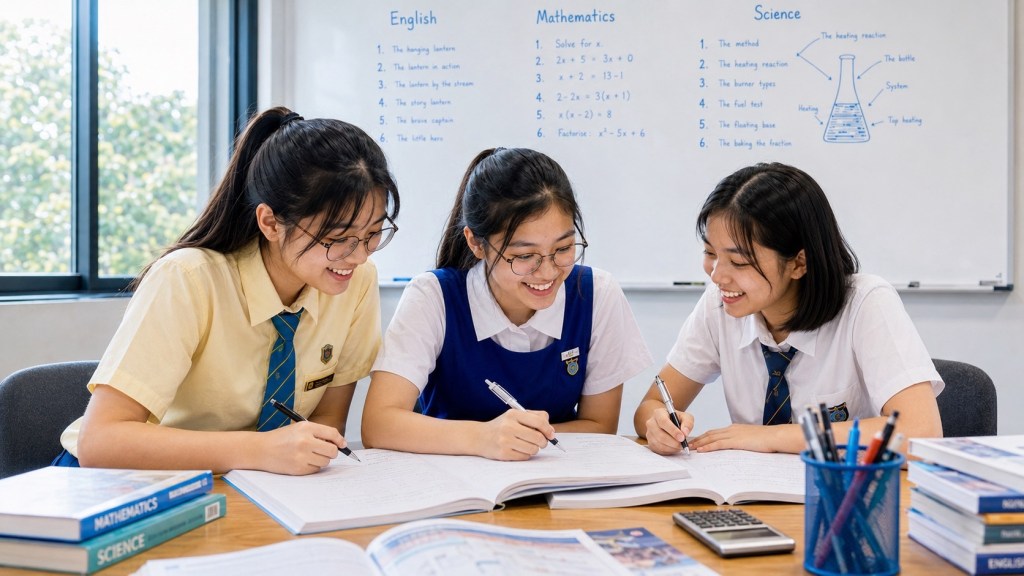
Active and Passive Voice for Sengkang Children: Understand the Action and Keep the Meaning
Active and passive voice change how a sentence presents an action. For Sengkang children, begin by identifying who or what performs the action and who or what receives it. ‘Hana opened the folder’ and ‘The folder was opened by Hana’ describe the same basic event while giving the reader different starting points.
-
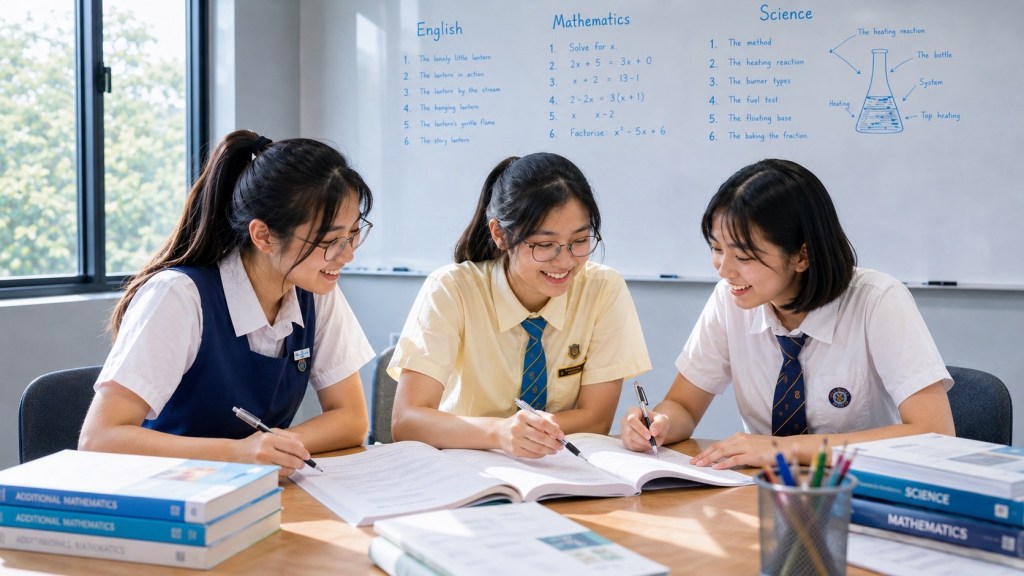
Volume with Unit Cubes for Sengkang Families: Count Layers and Understand Cuboids
Volume with unit cubes helps Sengkang children see what a cuboid formula counts. Build one complete layer, count its cubes and then count the equal layers. A solid cuboid four cubes long, three cubes wide and two cubes high contains twenty-four unit cubes, including cubes that a drawing may hide.
-
Scale Drawings for Sengkang Families: Map Scales, Measurements and Clear Maths
A scale drawing shows lengths in a consistent relationship to the lengths they represent. For Sengkang families helping with map scales or drawing tasks, begin with one question: what does one centimetre on this drawing represent? Name both units, then use that relationship to find the required length.
-
Editing Primary English in Sengkang: A Parent’s Guide to Clear, Independent Checking
Editing Primary English works best when a child checks meaning before searching for small mistakes. For Sengkang parents, a practical routine is to read for the intended message, check sentence structure and grammar, then proofread spelling and punctuation. Choose one clear improvement at a time, and let the child make and explain the change.
