
Author: eduKate Asia
-
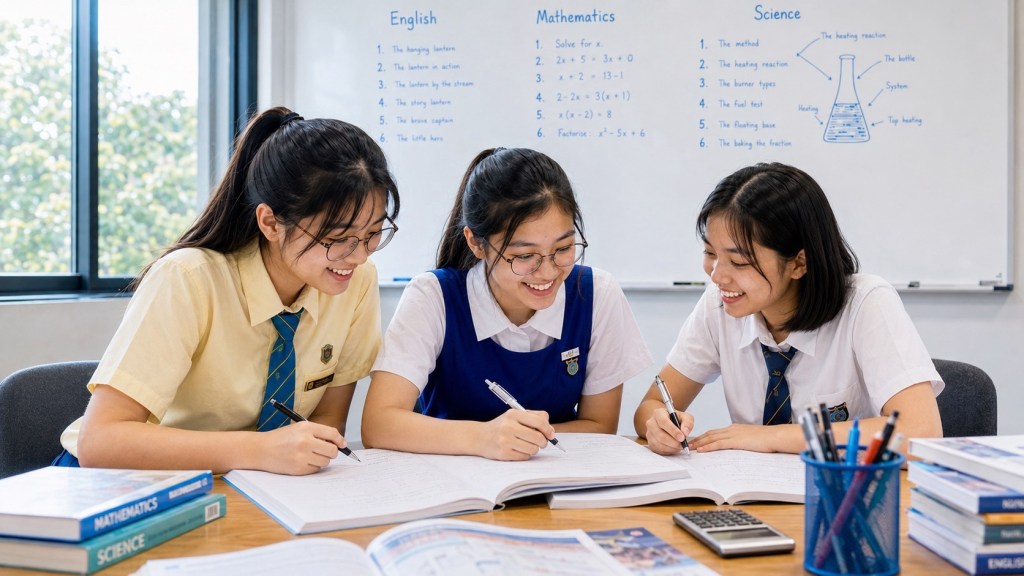
The Tutor Handbook Vol No.0016 | The Handover — How a Tutor Ends Each Lesson So the Learner Can Carry the Next Move Alone
The Tutor Handbook · Volume 0016 · Series ID THB-0016 A tutorial can go beautifully for ninety minutes and still fail in the ninety-first. The explanation was clear. The student understood. The practice was successful. The tutor corrected the mistakes. Then the lesson ends. The student packs the file, goes home, and six days later…
-
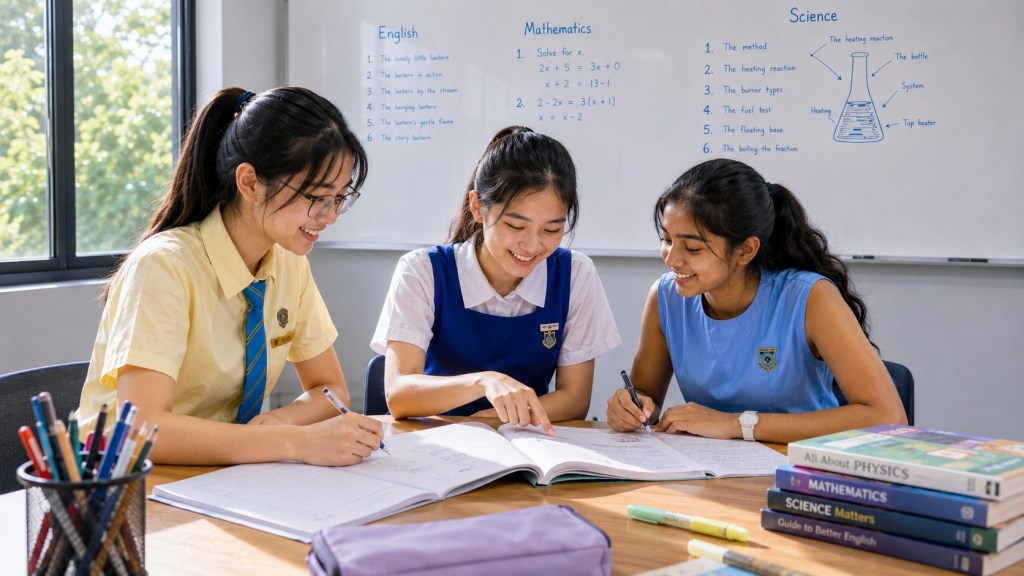
The Tutor Handbook Vol No.0015 | The Learning Contract — How Tutor and Student Divide Responsibility Without Confusing Support With Control
The Tutor Handbook · Volume 0015 · Series ID THB-0015 A tutor gives a student a worksheet. The student waits. The tutor points to the first question. The student waits again. The tutor says, “What do you think we should do first?” The student answers correctly. Now both people have a problem. The student may…
-

How to Compare Two Worked PSLE Science Examples to Find the Reasoning Pattern They Share
A Primary 5/6 student guide to comparing worked PSLE Science examples, separating surface details from shared reasoning structure, and transferring that reasoning to unfamiliar questions.
-
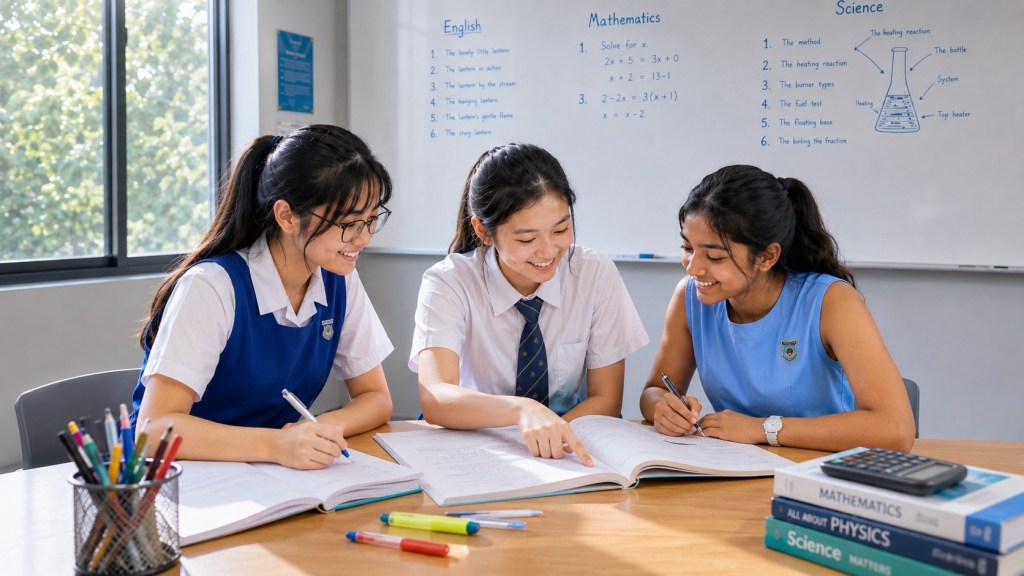
The Tutor Handbook Vol No.0014 | The Student Review — How a Tutor Gives the Learner a Voice Without Handing Over Every Decision
The Tutor Handbook · Volume 0014 · Series ID THB-0014 A tutor asks a student: How do you think the last month went? The student shrugs. “Okay.” The tutor tries again. What do you want to do next? “I don’t know.” This is the moment when adults often make one of two mistakes. The first…
-

How to Tell Productive Struggle From Being Truly Stuck in PSLE Science Practice
A Primary 5/6 guide to knowing when difficult PSLE Science thinking is still making progress, when reasoning has genuinely stalled, and how to use the smallest useful help before returning to independent work.
-
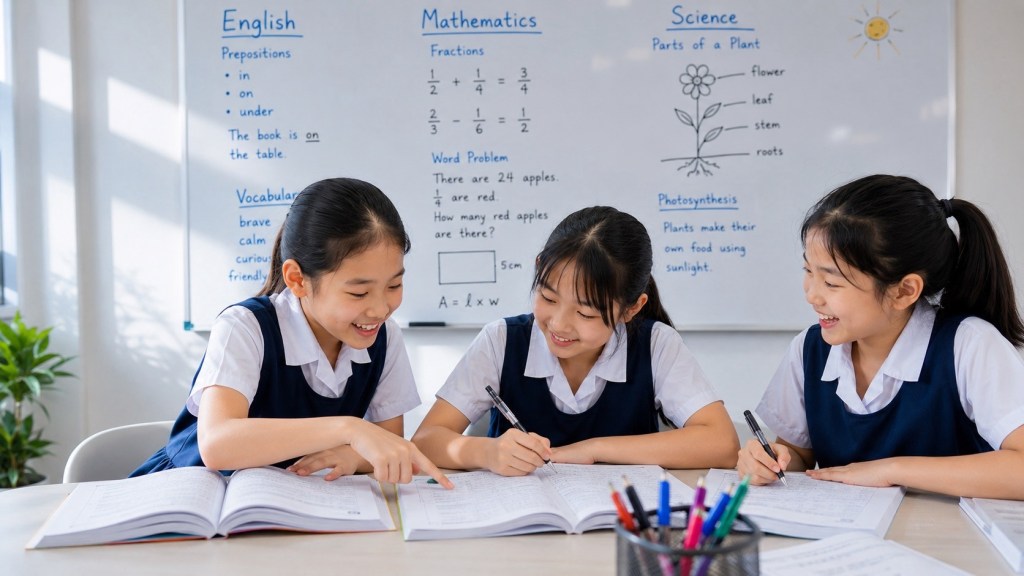
How to Space PSLE Science Retrieval So Learning Survives Beyond the Same Day
A Primary 5/6 student guide to spacing PSLE Science retrieval across separate sessions, correcting failures, and proving that concepts and reasoning still work after time has passed.
