
Author: eduKate Asia
-
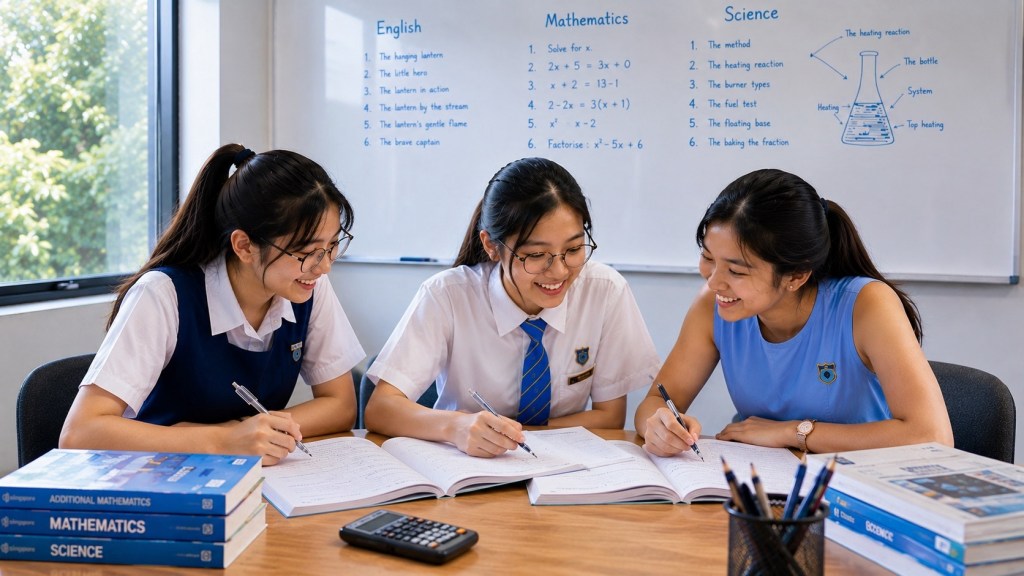
The Tutor Handbook Vol No.0021 | The Timed Set — How a Tutor Adds the Clock Without Confusing Speed With Learning
The Tutor Handbook Vol 0021 explains how tutors add time pressure only after they understand untimed performance, separate speed from accuracy and completion, and train learners for examination conditions without confusing rushing with learning.
-
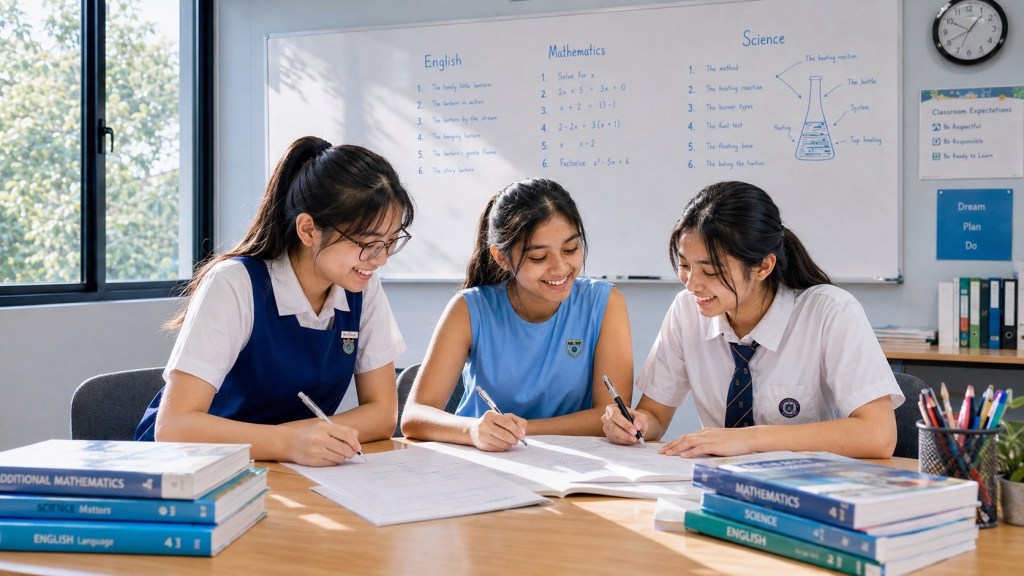
The Tutor Handbook Vol No.0020 | The Mixed Set — How a Tutor Tests Method Selection When No Topic Label Announces the Answer
The Tutor Handbook Vol 0020 explains how tutors use mixed, unlabeled practice to test whether learners can choose the right method, concept or reasoning route before execution.
-

The Tutor Handbook Vol No.0019 | The Changed Question — How a Tutor Tests Whether Learning Travels When the Surface Changes
The Tutor Handbook · Volume 0019 · Series ID THB-0019 The Tutor Handbook: Complete series index · Practice, transfer and examination performance. The student gets the old question right. Good. Now change the question. Not randomly. Not to make it look harder. Not to catch the learner out. Change it because a tutor now needs…
-

The Tutor Handbook Vol No.0018 | The Reattempt — How a Tutor Uses a Second Attempt to Separate Recognition, Repair and Real Learning
The Tutor Handbook · Volume 0018 · Series ID THB-0018 The Tutor Handbook: Complete series index · Practice, transfer and examination performance. The student tries again. That sounds simple. It is not. On the first attempt, the learner may have misunderstood the question, chosen the wrong route, forgotten a prerequisite, made an execution error, run…
-
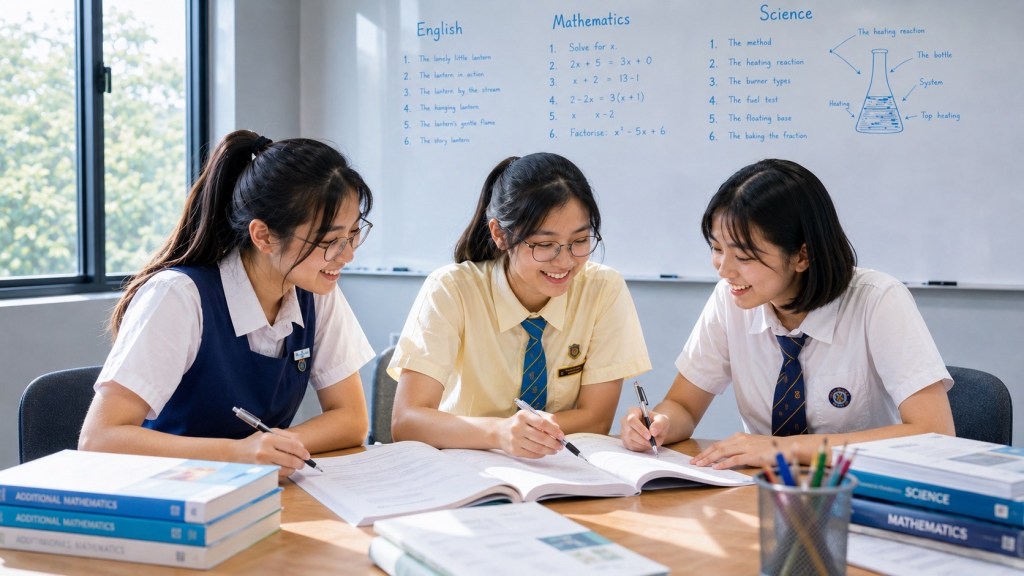
The Tutor Handbook Vol No.0017 | The Return — What a Tutor Learns When the Student Comes Back With Evidence From Outside the Lesson
The Tutor Handbook · Volume 0017 · Series ID THB-0017 The Tutor Handbook: Complete series index · Practice, transfer and examination performance. The student comes back. That is where tutoring becomes interesting. Last week, the explanation made sense. The practice looked good. The learner could do the work while the tutor was present. Then the…
-

How to Make a PSLE Science Observation Drawing That Records What You See Without Drawing What You Expect
A Primary 5/6 guide to making observation drawings that preserve evidence: record the correct object, time, viewpoint and visible features; label only what is supported; separate observation from inference; compare changes honestly; and use drawings as scientific data rather than decorative pictures.
