
Author: eduKate Asia
-

PSLE Science Reality Lab Vol No.152 | “River Level = 2.4 m” — Is the River 2.4 m Deep Everywhere?
PSLE-SCI-REALITY-0152. A Primary 5/6 guide to river dashboards: why gage height is water-surface height above a local datum, not the river’s depth everywhere or direct streamflow.
-

PSLE Science Reality Lab Vol No.151 | “Accuracy ±1°C” — Is That the Uncertainty of This One Reading?
PSLE-SCI-REALITY-0151. A Primary 5/6 guide to instrument datasheets: why “accuracy ±1°C” is a performance specification and not automatically the full uncertainty of one reading.
-

PSLE Science Reality Lab Vol No.150 | “Tested to a Standard” — Did the Product Pass a Requirement, or Did the Lab Follow a Test Method?
PSLE-SCI-REALITY-0150. A Primary 5/6 guide to “tested to a standard”: separate the test method, measured result, requirement and conformity decision before deciding whether a product passed.
-

The Tutor Handbook Vol No.0186 | The Preparation–Contingency Boundary — How a Tutor Plans Enough Before the Lesson Without Pre-Deciding the Learner’s Next Move Before the Evidence Arrives
THB-0186 — How tutors prepare targets, materials, evidence points and support options in advance while leaving diagnosis, branching, scaffold level and pacing open to live learner evidence.
-
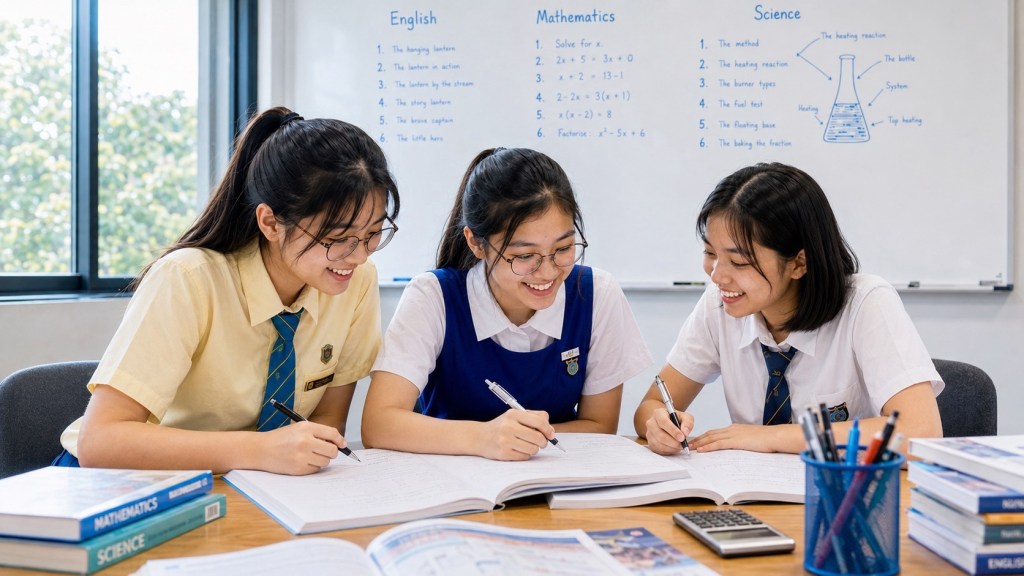
The Tutor Handbook Vol No.0185 | The Ratio–Tutor-Skill Fit Gate — How a Tuition Programme Decides Whether Three Learners Can Be Taught as One Group Without Treating 3:1 as Automatically Individualised
THB-0185 — How tuition programmes match student–tutor ratio to learner groupability, tutor small-group skill, materials and diagnostic demands instead of treating 3:1 as automatically individualised.
-
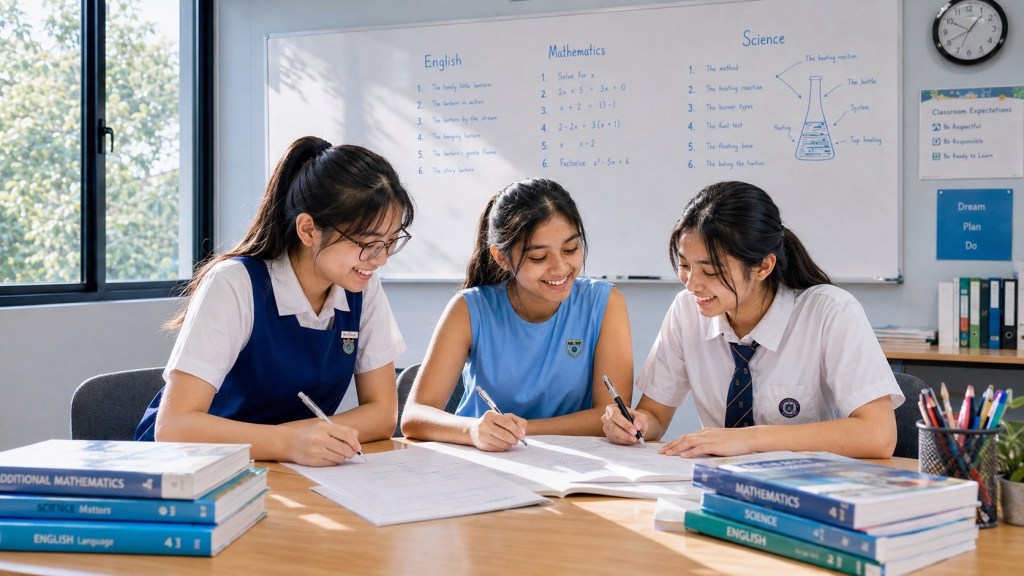
The Tutor Handbook Vol No.0184 | The Learner-Talk Interpretation Gate — How a Tutor Increases Student Talk Without Mistaking More Talking for More Thinking
THB-0184 — How tutors increase purposeful learner talk, distribute participation and verify thinking without treating talk time or question counts as proof of learning.
