
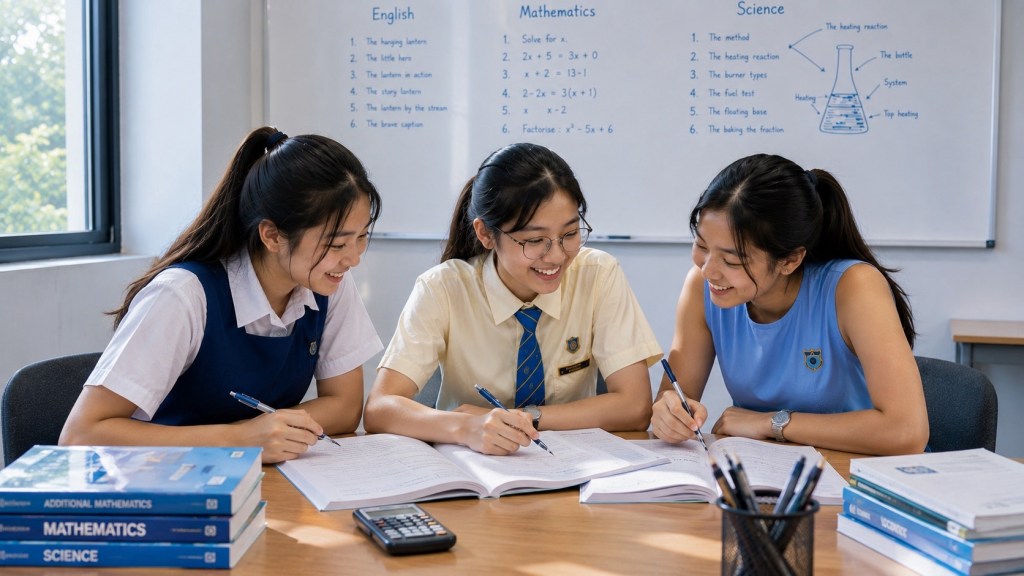
G2 SEC examination transfer becomes deeper when learners can predict how an answer should change after one decisive condition is swapped. If the source changes, the ownership should change; if the denominator changes, the rate should change; if the control changes, the causal conclusion may change.
This Learner’s Guide is designed to upgrade capability rather than merely add facts. It makes the mechanism explicit, shows how to diagnose failure, defines the smallest useful repair, keeps competing explanations visible, states model limits, and ends in transfer to a changed problem surface.
Mechanism
Identify the relation that should remain true and the condition that controls how the answer changes. Write the causal, logical or quantitative handoff explicitly enough that another learner could predict the next state before seeing the result.
Diagnosis and smallest repair
When the answer fails, locate the first broken handoff. Repair that node only: source, role, denominator, sign, condition, mechanism, boundary or measurement. Recheck one downstream consequence before changing anything else.
1. swap speaker
For swap speaker, state the observation or given information first. Then state the inference, calculation or mechanism separately. This keeps what is seen apart from what is concluded.
Construct a competing explanation or near-miss that fits part of the evidence. Identify one discriminating test, counterexample, changed condition or independent check that the two alternatives predict differently. Support raises confidence; it does not turn a model into unlimited proof.
For transfer, change the surface while preserving the deep relation. Alter names, numbers, source, graph, location, time, boundary or apparatus. Rebuild the reasoning rather than recalling the example, and state where the method would stop being reliable.
2. swap source
For swap source, state the observation or given information first. Then state the inference, calculation or mechanism separately. This keeps what is seen apart from what is concluded.
Construct a competing explanation or near-miss that fits part of the evidence. Identify one discriminating test, counterexample, changed condition or independent check that the two alternatives predict differently. Support raises confidence; it does not turn a model into unlimited proof.
For transfer, change the surface while preserving the deep relation. Alter names, numbers, source, graph, location, time, boundary or apparatus. Rebuild the reasoning rather than recalling the example, and state where the method would stop being reliable.
3. swap chronology
For swap chronology, state the observation or given information first. Then state the inference, calculation or mechanism separately. This keeps what is seen apart from what is concluded.
Construct a competing explanation or near-miss that fits part of the evidence. Identify one discriminating test, counterexample, changed condition or independent check that the two alternatives predict differently. Support raises confidence; it does not turn a model into unlimited proof.
For transfer, change the surface while preserving the deep relation. Alter names, numbers, source, graph, location, time, boundary or apparatus. Rebuild the reasoning rather than recalling the example, and state where the method would stop being reliable.
4. swap quantifier
For swap quantifier, state the observation or given information first. Then state the inference, calculation or mechanism separately. This keeps what is seen apart from what is concluded.
Construct a competing explanation or near-miss that fits part of the evidence. Identify one discriminating test, counterexample, changed condition or independent check that the two alternatives predict differently. Support raises confidence; it does not turn a model into unlimited proof.
For transfer, change the surface while preserving the deep relation. Alter names, numbers, source, graph, location, time, boundary or apparatus. Rebuild the reasoning rather than recalling the example, and state where the method would stop being reliable.
5. swap modality
For swap modality, state the observation or given information first. Then state the inference, calculation or mechanism separately. This keeps what is seen apart from what is concluded.
Construct a competing explanation or near-miss that fits part of the evidence. Identify one discriminating test, counterexample, changed condition or independent check that the two alternatives predict differently. Support raises confidence; it does not turn a model into unlimited proof.
For transfer, change the surface while preserving the deep relation. Alter names, numbers, source, graph, location, time, boundary or apparatus. Rebuild the reasoning rather than recalling the example, and state where the method would stop being reliable.
6. swap negation
For swap negation, state the observation or given information first. Then state the inference, calculation or mechanism separately. This keeps what is seen apart from what is concluded.
Construct a competing explanation or near-miss that fits part of the evidence. Identify one discriminating test, counterexample, changed condition or independent check that the two alternatives predict differently. Support raises confidence; it does not turn a model into unlimited proof.
For transfer, change the surface while preserving the deep relation. Alter names, numbers, source, graph, location, time, boundary or apparatus. Rebuild the reasoning rather than recalling the example, and state where the method would stop being reliable.
7. swap exception condition
For swap exception condition, state the observation or given information first. Then state the inference, calculation or mechanism separately. This keeps what is seen apart from what is concluded.
Construct a competing explanation or near-miss that fits part of the evidence. Identify one discriminating test, counterexample, changed condition or independent check that the two alternatives predict differently. Support raises confidence; it does not turn a model into unlimited proof.
For transfer, change the surface while preserving the deep relation. Alter names, numbers, source, graph, location, time, boundary or apparatus. Rebuild the reasoning rather than recalling the example, and state where the method would stop being reliable.
8. swap comparison baseline
For swap comparison baseline, state the observation or given information first. Then state the inference, calculation or mechanism separately. This keeps what is seen apart from what is concluded.
Construct a competing explanation or near-miss that fits part of the evidence. Identify one discriminating test, counterexample, changed condition or independent check that the two alternatives predict differently. Support raises confidence; it does not turn a model into unlimited proof.
For transfer, change the surface while preserving the deep relation. Alter names, numbers, source, graph, location, time, boundary or apparatus. Rebuild the reasoning rather than recalling the example, and state where the method would stop being reliable.
9. swap audience
For swap audience, state the observation or given information first. Then state the inference, calculation or mechanism separately. This keeps what is seen apart from what is concluded.
Construct a competing explanation or near-miss that fits part of the evidence. Identify one discriminating test, counterexample, changed condition or independent check that the two alternatives predict differently. Support raises confidence; it does not turn a model into unlimited proof.
For transfer, change the surface while preserving the deep relation. Alter names, numbers, source, graph, location, time, boundary or apparatus. Rebuild the reasoning rather than recalling the example, and state where the method would stop being reliable.
10. swap purpose
For swap purpose, state the observation or given information first. Then state the inference, calculation or mechanism separately. This keeps what is seen apart from what is concluded.
Construct a competing explanation or near-miss that fits part of the evidence. Identify one discriminating test, counterexample, changed condition or independent check that the two alternatives predict differently. Support raises confidence; it does not turn a model into unlimited proof.
For transfer, change the surface while preserving the deep relation. Alter names, numbers, source, graph, location, time, boundary or apparatus. Rebuild the reasoning rather than recalling the example, and state where the method would stop being reliable.
11. swap evidence sentence
For swap evidence sentence, state the observation or given information first. Then state the inference, calculation or mechanism separately. This keeps what is seen apart from what is concluded.
Construct a competing explanation or near-miss that fits part of the evidence. Identify one discriminating test, counterexample, changed condition or independent check that the two alternatives predict differently. Support raises confidence; it does not turn a model into unlimited proof.
For transfer, change the surface while preserving the deep relation. Alter names, numbers, source, graph, location, time, boundary or apparatus. Rebuild the reasoning rather than recalling the example, and state where the method would stop being reliable.
12. swap paragraph order
For swap paragraph order, state the observation or given information first. Then state the inference, calculation or mechanism separately. This keeps what is seen apart from what is concluded.
Construct a competing explanation or near-miss that fits part of the evidence. Identify one discriminating test, counterexample, changed condition or independent check that the two alternatives predict differently. Support raises confidence; it does not turn a model into unlimited proof.
For transfer, change the surface while preserving the deep relation. Alter names, numbers, source, graph, location, time, boundary or apparatus. Rebuild the reasoning rather than recalling the example, and state where the method would stop being reliable.
13. swap active/passive focus
For swap active/passive focus, state the observation or given information first. Then state the inference, calculation or mechanism separately. This keeps what is seen apart from what is concluded.
Construct a competing explanation or near-miss that fits part of the evidence. Identify one discriminating test, counterexample, changed condition or independent check that the two alternatives predict differently. Support raises confidence; it does not turn a model into unlimited proof.
For transfer, change the surface while preserving the deep relation. Alter names, numbers, source, graph, location, time, boundary or apparatus. Rebuild the reasoning rather than recalling the example, and state where the method would stop being reliable.
14. swap referent
For swap referent, state the observation or given information first. Then state the inference, calculation or mechanism separately. This keeps what is seen apart from what is concluded.
Construct a competing explanation or near-miss that fits part of the evidence. Identify one discriminating test, counterexample, changed condition or independent check that the two alternatives predict differently. Support raises confidence; it does not turn a model into unlimited proof.
For transfer, change the surface while preserving the deep relation. Alter names, numbers, source, graph, location, time, boundary or apparatus. Rebuild the reasoning rather than recalling the example, and state where the method would stop being reliable.
15. swap time anchor
For swap time anchor, state the observation or given information first. Then state the inference, calculation or mechanism separately. This keeps what is seen apart from what is concluded.
Construct a competing explanation or near-miss that fits part of the evidence. Identify one discriminating test, counterexample, changed condition or independent check that the two alternatives predict differently. Support raises confidence; it does not turn a model into unlimited proof.
For transfer, change the surface while preserving the deep relation. Alter names, numbers, source, graph, location, time, boundary or apparatus. Rebuild the reasoning rather than recalling the example, and state where the method would stop being reliable.
16. swap place anchor
For swap place anchor, state the observation or given information first. Then state the inference, calculation or mechanism separately. This keeps what is seen apart from what is concluded.
Construct a competing explanation or near-miss that fits part of the evidence. Identify one discriminating test, counterexample, changed condition or independent check that the two alternatives predict differently. Support raises confidence; it does not turn a model into unlimited proof.
For transfer, change the surface while preserving the deep relation. Alter names, numbers, source, graph, location, time, boundary or apparatus. Rebuild the reasoning rather than recalling the example, and state where the method would stop being reliable.
17. swap numerator
For swap numerator, state the observation or given information first. Then state the inference, calculation or mechanism separately. This keeps what is seen apart from what is concluded.
Construct a competing explanation or near-miss that fits part of the evidence. Identify one discriminating test, counterexample, changed condition or independent check that the two alternatives predict differently. Support raises confidence; it does not turn a model into unlimited proof.
For transfer, change the surface while preserving the deep relation. Alter names, numbers, source, graph, location, time, boundary or apparatus. Rebuild the reasoning rather than recalling the example, and state where the method would stop being reliable.
18. swap denominator
For swap denominator, state the observation or given information first. Then state the inference, calculation or mechanism separately. This keeps what is seen apart from what is concluded.
Construct a competing explanation or near-miss that fits part of the evidence. Identify one discriminating test, counterexample, changed condition or independent check that the two alternatives predict differently. Support raises confidence; it does not turn a model into unlimited proof.
For transfer, change the surface while preserving the deep relation. Alter names, numbers, source, graph, location, time, boundary or apparatus. Rebuild the reasoning rather than recalling the example, and state where the method would stop being reliable.
19. swap unit
For swap unit, state the observation or given information first. Then state the inference, calculation or mechanism separately. This keeps what is seen apart from what is concluded.
Construct a competing explanation or near-miss that fits part of the evidence. Identify one discriminating test, counterexample, changed condition or independent check that the two alternatives predict differently. Support raises confidence; it does not turn a model into unlimited proof.
For transfer, change the surface while preserving the deep relation. Alter names, numbers, source, graph, location, time, boundary or apparatus. Rebuild the reasoning rather than recalling the example, and state where the method would stop being reliable.
20. swap sign
For swap sign, state the observation or given information first. Then state the inference, calculation or mechanism separately. This keeps what is seen apart from what is concluded.
Construct a competing explanation or near-miss that fits part of the evidence. Identify one discriminating test, counterexample, changed condition or independent check that the two alternatives predict differently. Support raises confidence; it does not turn a model into unlimited proof.
For transfer, change the surface while preserving the deep relation. Alter names, numbers, source, graph, location, time, boundary or apparatus. Rebuild the reasoning rather than recalling the example, and state where the method would stop being reliable.
21. swap rate direction
For swap rate direction, state the observation or given information first. Then state the inference, calculation or mechanism separately. This keeps what is seen apart from what is concluded.
Construct a competing explanation or near-miss that fits part of the evidence. Identify one discriminating test, counterexample, changed condition or independent check that the two alternatives predict differently. Support raises confidence; it does not turn a model into unlimited proof.
For transfer, change the surface while preserving the deep relation. Alter names, numbers, source, graph, location, time, boundary or apparatus. Rebuild the reasoning rather than recalling the example, and state where the method would stop being reliable.
22. swap ratio order
For swap ratio order, state the observation or given information first. Then state the inference, calculation or mechanism separately. This keeps what is seen apart from what is concluded.
Construct a competing explanation or near-miss that fits part of the evidence. Identify one discriminating test, counterexample, changed condition or independent check that the two alternatives predict differently. Support raises confidence; it does not turn a model into unlimited proof.
For transfer, change the surface while preserving the deep relation. Alter names, numbers, source, graph, location, time, boundary or apparatus. Rebuild the reasoning rather than recalling the example, and state where the method would stop being reliable.
23. swap probability event
For swap probability event, state the observation or given information first. Then state the inference, calculation or mechanism separately. This keeps what is seen apart from what is concluded.
Construct a competing explanation or near-miss that fits part of the evidence. Identify one discriminating test, counterexample, changed condition or independent check that the two alternatives predict differently. Support raises confidence; it does not turn a model into unlimited proof.
For transfer, change the surface while preserving the deep relation. Alter names, numbers, source, graph, location, time, boundary or apparatus. Rebuild the reasoning rather than recalling the example, and state where the method would stop being reliable.
24. swap probability universe
For swap probability universe, state the observation or given information first. Then state the inference, calculation or mechanism separately. This keeps what is seen apart from what is concluded.
Construct a competing explanation or near-miss that fits part of the evidence. Identify one discriminating test, counterexample, changed condition or independent check that the two alternatives predict differently. Support raises confidence; it does not turn a model into unlimited proof.
For transfer, change the surface while preserving the deep relation. Alter names, numbers, source, graph, location, time, boundary or apparatus. Rebuild the reasoning rather than recalling the example, and state where the method would stop being reliable.
25. swap case condition
For swap case condition, state the observation or given information first. Then state the inference, calculation or mechanism separately. This keeps what is seen apart from what is concluded.
Construct a competing explanation or near-miss that fits part of the evidence. Identify one discriminating test, counterexample, changed condition or independent check that the two alternatives predict differently. Support raises confidence; it does not turn a model into unlimited proof.
For transfer, change the surface while preserving the deep relation. Alter names, numbers, source, graph, location, time, boundary or apparatus. Rebuild the reasoning rather than recalling the example, and state where the method would stop being reliable.
26. swap root domain
For swap root domain, state the observation or given information first. Then state the inference, calculation or mechanism separately. This keeps what is seen apart from what is concluded.
Construct a competing explanation or near-miss that fits part of the evidence. Identify one discriminating test, counterexample, changed condition or independent check that the two alternatives predict differently. Support raises confidence; it does not turn a model into unlimited proof.
For transfer, change the surface while preserving the deep relation. Alter names, numbers, source, graph, location, time, boundary or apparatus. Rebuild the reasoning rather than recalling the example, and state where the method would stop being reliable.
27. swap graph scale
For swap graph scale, state the observation or given information first. Then state the inference, calculation or mechanism separately. This keeps what is seen apart from what is concluded.
Construct a competing explanation or near-miss that fits part of the evidence. Identify one discriminating test, counterexample, changed condition or independent check that the two alternatives predict differently. Support raises confidence; it does not turn a model into unlimited proof.
For transfer, change the surface while preserving the deep relation. Alter names, numbers, source, graph, location, time, boundary or apparatus. Rebuild the reasoning rather than recalling the example, and state where the method would stop being reliable.
28. swap coordinate sign
For swap coordinate sign, state the observation or given information first. Then state the inference, calculation or mechanism separately. This keeps what is seen apart from what is concluded.
Construct a competing explanation or near-miss that fits part of the evidence. Identify one discriminating test, counterexample, changed condition or independent check that the two alternatives predict differently. Support raises confidence; it does not turn a model into unlimited proof.
For transfer, change the surface while preserving the deep relation. Alter names, numbers, source, graph, location, time, boundary or apparatus. Rebuild the reasoning rather than recalling the example, and state where the method would stop being reliable.
29. swap corresponding side
For swap corresponding side, state the observation or given information first. Then state the inference, calculation or mechanism separately. This keeps what is seen apart from what is concluded.
Construct a competing explanation or near-miss that fits part of the evidence. Identify one discriminating test, counterexample, changed condition or independent check that the two alternatives predict differently. Support raises confidence; it does not turn a model into unlimited proof.
For transfer, change the surface while preserving the deep relation. Alter names, numbers, source, graph, location, time, boundary or apparatus. Rebuild the reasoning rather than recalling the example, and state where the method would stop being reliable.
30. swap percentage base
For swap percentage base, state the observation or given information first. Then state the inference, calculation or mechanism separately. This keeps what is seen apart from what is concluded.
Construct a competing explanation or near-miss that fits part of the evidence. Identify one discriminating test, counterexample, changed condition or independent check that the two alternatives predict differently. Support raises confidence; it does not turn a model into unlimited proof.
For transfer, change the surface while preserving the deep relation. Alter names, numbers, source, graph, location, time, boundary or apparatus. Rebuild the reasoning rather than recalling the example, and state where the method would stop being reliable.
31. swap original/final value
For swap original/final value, state the observation or given information first. Then state the inference, calculation or mechanism separately. This keeps what is seen apart from what is concluded.
Construct a competing explanation or near-miss that fits part of the evidence. Identify one discriminating test, counterexample, changed condition or independent check that the two alternatives predict differently. Support raises confidence; it does not turn a model into unlimited proof.
For transfer, change the surface while preserving the deep relation. Alter names, numbers, source, graph, location, time, boundary or apparatus. Rebuild the reasoning rather than recalling the example, and state where the method would stop being reliable.
32. swap currency direction
For swap currency direction, state the observation or given information first. Then state the inference, calculation or mechanism separately. This keeps what is seen apart from what is concluded.
Construct a competing explanation or near-miss that fits part of the evidence. Identify one discriminating test, counterexample, changed condition or independent check that the two alternatives predict differently. Support raises confidence; it does not turn a model into unlimited proof.
For transfer, change the surface while preserving the deep relation. Alter names, numbers, source, graph, location, time, boundary or apparatus. Rebuild the reasoning rather than recalling the example, and state where the method would stop being reliable.
33. swap exact/rounded input
For swap exact/rounded input, state the observation or given information first. Then state the inference, calculation or mechanism separately. This keeps what is seen apart from what is concluded.
Construct a competing explanation or near-miss that fits part of the evidence. Identify one discriminating test, counterexample, changed condition or independent check that the two alternatives predict differently. Support raises confidence; it does not turn a model into unlimited proof.
For transfer, change the surface while preserving the deep relation. Alter names, numbers, source, graph, location, time, boundary or apparatus. Rebuild the reasoning rather than recalling the example, and state where the method would stop being reliable.
34. swap control
For swap control, state the observation or given information first. Then state the inference, calculation or mechanism separately. This keeps what is seen apart from what is concluded.
Construct a competing explanation or near-miss that fits part of the evidence. Identify one discriminating test, counterexample, changed condition or independent check that the two alternatives predict differently. Support raises confidence; it does not turn a model into unlimited proof.
For transfer, change the surface while preserving the deep relation. Alter names, numbers, source, graph, location, time, boundary or apparatus. Rebuild the reasoning rather than recalling the example, and state where the method would stop being reliable.
35. swap treatment
For swap treatment, state the observation or given information first. Then state the inference, calculation or mechanism separately. This keeps what is seen apart from what is concluded.
Construct a competing explanation or near-miss that fits part of the evidence. Identify one discriminating test, counterexample, changed condition or independent check that the two alternatives predict differently. Support raises confidence; it does not turn a model into unlimited proof.
For transfer, change the surface while preserving the deep relation. Alter names, numbers, source, graph, location, time, boundary or apparatus. Rebuild the reasoning rather than recalling the example, and state where the method would stop being reliable.
36. swap independent variable
For swap independent variable, state the observation or given information first. Then state the inference, calculation or mechanism separately. This keeps what is seen apart from what is concluded.
Construct a competing explanation or near-miss that fits part of the evidence. Identify one discriminating test, counterexample, changed condition or independent check that the two alternatives predict differently. Support raises confidence; it does not turn a model into unlimited proof.
For transfer, change the surface while preserving the deep relation. Alter names, numbers, source, graph, location, time, boundary or apparatus. Rebuild the reasoning rather than recalling the example, and state where the method would stop being reliable.
37. swap measured variable
For swap measured variable, state the observation or given information first. Then state the inference, calculation or mechanism separately. This keeps what is seen apart from what is concluded.
Construct a competing explanation or near-miss that fits part of the evidence. Identify one discriminating test, counterexample, changed condition or independent check that the two alternatives predict differently. Support raises confidence; it does not turn a model into unlimited proof.
For transfer, change the surface while preserving the deep relation. Alter names, numbers, source, graph, location, time, boundary or apparatus. Rebuild the reasoning rather than recalling the example, and state where the method would stop being reliable.
38. swap baseline
For swap baseline, state the observation or given information first. Then state the inference, calculation or mechanism separately. This keeps what is seen apart from what is concluded.
Construct a competing explanation or near-miss that fits part of the evidence. Identify one discriminating test, counterexample, changed condition or independent check that the two alternatives predict differently. Support raises confidence; it does not turn a model into unlimited proof.
For transfer, change the surface while preserving the deep relation. Alter names, numbers, source, graph, location, time, boundary or apparatus. Rebuild the reasoning rather than recalling the example, and state where the method would stop being reliable.
39. swap sampling time
For swap sampling time, state the observation or given information first. Then state the inference, calculation or mechanism separately. This keeps what is seen apart from what is concluded.
Construct a competing explanation or near-miss that fits part of the evidence. Identify one discriminating test, counterexample, changed condition or independent check that the two alternatives predict differently. Support raises confidence; it does not turn a model into unlimited proof.
For transfer, change the surface while preserving the deep relation. Alter names, numbers, source, graph, location, time, boundary or apparatus. Rebuild the reasoning rather than recalling the example, and state where the method would stop being reliable.
40. swap sampling location
For swap sampling location, state the observation or given information first. Then state the inference, calculation or mechanism separately. This keeps what is seen apart from what is concluded.
Construct a competing explanation or near-miss that fits part of the evidence. Identify one discriminating test, counterexample, changed condition or independent check that the two alternatives predict differently. Support raises confidence; it does not turn a model into unlimited proof.
For transfer, change the surface while preserving the deep relation. Alter names, numbers, source, graph, location, time, boundary or apparatus. Rebuild the reasoning rather than recalling the example, and state where the method would stop being reliable.
41. swap population
For swap population, state the observation or given information first. Then state the inference, calculation or mechanism separately. This keeps what is seen apart from what is concluded.
Construct a competing explanation or near-miss that fits part of the evidence. Identify one discriminating test, counterexample, changed condition or independent check that the two alternatives predict differently. Support raises confidence; it does not turn a model into unlimited proof.
For transfer, change the surface while preserving the deep relation. Alter names, numbers, source, graph, location, time, boundary or apparatus. Rebuild the reasoning rather than recalling the example, and state where the method would stop being reliable.
42. swap tested range
For swap tested range, state the observation or given information first. Then state the inference, calculation or mechanism separately. This keeps what is seen apart from what is concluded.
Construct a competing explanation or near-miss that fits part of the evidence. Identify one discriminating test, counterexample, changed condition or independent check that the two alternatives predict differently. Support raises confidence; it does not turn a model into unlimited proof.
For transfer, change the surface while preserving the deep relation. Alter names, numbers, source, graph, location, time, boundary or apparatus. Rebuild the reasoning rather than recalling the example, and state where the method would stop being reliable.
43. swap mechanism
For swap mechanism, state the observation or given information first. Then state the inference, calculation or mechanism separately. This keeps what is seen apart from what is concluded.
Construct a competing explanation or near-miss that fits part of the evidence. Identify one discriminating test, counterexample, changed condition or independent check that the two alternatives predict differently. Support raises confidence; it does not turn a model into unlimited proof.
For transfer, change the surface while preserving the deep relation. Alter names, numbers, source, graph, location, time, boundary or apparatus. Rebuild the reasoning rather than recalling the example, and state where the method would stop being reliable.
44. swap model assumption
For swap model assumption, state the observation or given information first. Then state the inference, calculation or mechanism separately. This keeps what is seen apart from what is concluded.
Construct a competing explanation or near-miss that fits part of the evidence. Identify one discriminating test, counterexample, changed condition or independent check that the two alternatives predict differently. Support raises confidence; it does not turn a model into unlimited proof.
For transfer, change the surface while preserving the deep relation. Alter names, numbers, source, graph, location, time, boundary or apparatus. Rebuild the reasoning rather than recalling the example, and state where the method would stop being reliable.
45. swap boundary condition
For swap boundary condition, state the observation or given information first. Then state the inference, calculation or mechanism separately. This keeps what is seen apart from what is concluded.
Construct a competing explanation or near-miss that fits part of the evidence. Identify one discriminating test, counterexample, changed condition or independent check that the two alternatives predict differently. Support raises confidence; it does not turn a model into unlimited proof.
For transfer, change the surface while preserving the deep relation. Alter names, numbers, source, graph, location, time, boundary or apparatus. Rebuild the reasoning rather than recalling the example, and state where the method would stop being reliable.
46. swap starting state
For swap starting state, state the observation or given information first. Then state the inference, calculation or mechanism separately. This keeps what is seen apart from what is concluded.
Construct a competing explanation or near-miss that fits part of the evidence. Identify one discriminating test, counterexample, changed condition or independent check that the two alternatives predict differently. Support raises confidence; it does not turn a model into unlimited proof.
For transfer, change the surface while preserving the deep relation. Alter names, numbers, source, graph, location, time, boundary or apparatus. Rebuild the reasoning rather than recalling the example, and state where the method would stop being reliable.
47. swap treatment order
For swap treatment order, state the observation or given information first. Then state the inference, calculation or mechanism separately. This keeps what is seen apart from what is concluded.
Construct a competing explanation or near-miss that fits part of the evidence. Identify one discriminating test, counterexample, changed condition or independent check that the two alternatives predict differently. Support raises confidence; it does not turn a model into unlimited proof.
For transfer, change the surface while preserving the deep relation. Alter names, numbers, source, graph, location, time, boundary or apparatus. Rebuild the reasoning rather than recalling the example, and state where the method would stop being reliable.
48. swap limiting factor
For swap limiting factor, state the observation or given information first. Then state the inference, calculation or mechanism separately. This keeps what is seen apart from what is concluded.
Construct a competing explanation or near-miss that fits part of the evidence. Identify one discriminating test, counterexample, changed condition or independent check that the two alternatives predict differently. Support raises confidence; it does not turn a model into unlimited proof.
For transfer, change the surface while preserving the deep relation. Alter names, numbers, source, graph, location, time, boundary or apparatus. Rebuild the reasoning rather than recalling the example, and state where the method would stop being reliable.
49. swap response level
For swap response level, state the observation or given information first. Then state the inference, calculation or mechanism separately. This keeps what is seen apart from what is concluded.
Construct a competing explanation or near-miss that fits part of the evidence. Identify one discriminating test, counterexample, changed condition or independent check that the two alternatives predict differently. Support raises confidence; it does not turn a model into unlimited proof.
For transfer, change the surface while preserving the deep relation. Alter names, numbers, source, graph, location, time, boundary or apparatus. Rebuild the reasoning rather than recalling the example, and state where the method would stop being reliable.
50. swap source/sink
For swap source/sink, state the observation or given information first. Then state the inference, calculation or mechanism separately. This keeps what is seen apart from what is concluded.
Construct a competing explanation or near-miss that fits part of the evidence. Identify one discriminating test, counterexample, changed condition or independent check that the two alternatives predict differently. Support raises confidence; it does not turn a model into unlimited proof.
For transfer, change the surface while preserving the deep relation. Alter names, numbers, source, graph, location, time, boundary or apparatus. Rebuild the reasoning rather than recalling the example, and state where the method would stop being reliable.
51. swap compartment boundary
For swap compartment boundary, state the observation or given information first. Then state the inference, calculation or mechanism separately. This keeps what is seen apart from what is concluded.
Construct a competing explanation or near-miss that fits part of the evidence. Identify one discriminating test, counterexample, changed condition or independent check that the two alternatives predict differently. Support raises confidence; it does not turn a model into unlimited proof.
For transfer, change the surface while preserving the deep relation. Alter names, numbers, source, graph, location, time, boundary or apparatus. Rebuild the reasoning rather than recalling the example, and state where the method would stop being reliable.
52. swap fast/slow process
For swap fast/slow process, state the observation or given information first. Then state the inference, calculation or mechanism separately. This keeps what is seen apart from what is concluded.
Construct a competing explanation or near-miss that fits part of the evidence. Identify one discriminating test, counterexample, changed condition or independent check that the two alternatives predict differently. Support raises confidence; it does not turn a model into unlimited proof.
For transfer, change the surface while preserving the deep relation. Alter names, numbers, source, graph, location, time, boundary or apparatus. Rebuild the reasoning rather than recalling the example, and state where the method would stop being reliable.
53. swap harmless detail
For swap harmless detail, state the observation or given information first. Then state the inference, calculation or mechanism separately. This keeps what is seen apart from what is concluded.
Construct a competing explanation or near-miss that fits part of the evidence. Identify one discriminating test, counterexample, changed condition or independent check that the two alternatives predict differently. Support raises confidence; it does not turn a model into unlimited proof.
For transfer, change the surface while preserving the deep relation. Alter names, numbers, source, graph, location, time, boundary or apparatus. Rebuild the reasoning rather than recalling the example, and state where the method would stop being reliable.
54. swap decisive detail
For swap decisive detail, state the observation or given information first. Then state the inference, calculation or mechanism separately. This keeps what is seen apart from what is concluded.
Construct a competing explanation or near-miss that fits part of the evidence. Identify one discriminating test, counterexample, changed condition or independent check that the two alternatives predict differently. Support raises confidence; it does not turn a model into unlimited proof.
For transfer, change the surface while preserving the deep relation. Alter names, numbers, source, graph, location, time, boundary or apparatus. Rebuild the reasoning rather than recalling the example, and state where the method would stop being reliable.
55. counterfactual final rule
For counterfactual final rule, state the observation or given information first. Then state the inference, calculation or mechanism separately. This keeps what is seen apart from what is concluded.
Construct a competing explanation or near-miss that fits part of the evidence. Identify one discriminating test, counterexample, changed condition or independent check that the two alternatives predict differently. Support raises confidence; it does not turn a model into unlimited proof.
For transfer, change the surface while preserving the deep relation. Alter names, numbers, source, graph, location, time, boundary or apparatus. Rebuild the reasoning rather than recalling the example, and state where the method would stop being reliable.
Delayed transfer and measurement
Return later to a mixed problem where the framework is not named. Measure success by independent reconstruction: can the learner identify the mechanism, diagnose a near-miss, choose the smallest repair, distinguish observation from inference, test a competing explanation and state the boundary without prompts?
Internal learning links
Use the Examination Craft hub, Vol 0148 Robustness Under Small Changes, the relevant English, Mathematics and Science hubs, and the PSLE Learner’s Guide.
Official-source discipline
For the current 2027 Singapore-Cambridge Secondary Education Certificate G2 school-candidate framework, use the official SEAB G2 syllabus directory and its linked subject syllabus. The current directory lists K200 English Language, K210 Mathematics and K223–K225 Science combinations. This article’s framework is an eduKateSengkang learning method, not an additional SEAB syllabus topic or marking rule.
Final rule
A strong learner can reconstruct the relationship, locate failure, repair minimally, test an alternative and transfer the method to an unseen surface. That capability—not the length of the answer—is the standard.
G2 SEC Learner’s Guide: Open the Vol 0132–0175 hub and subject index.
G2 SEC Learner’s Guide navigation: Master Index · Cross-subject lane · Examination Craft
