
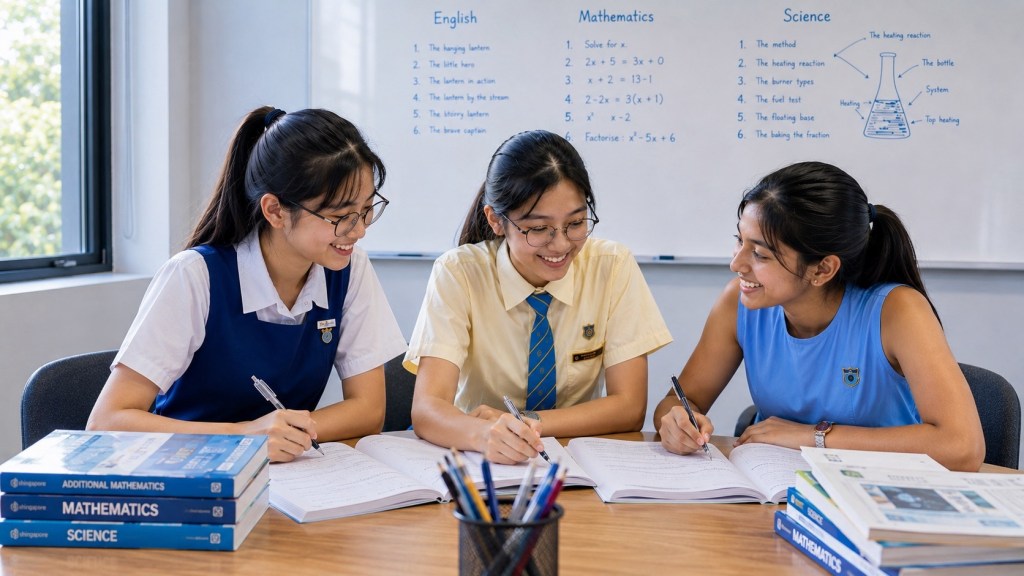
G2 Mathematics K210 contains many problems that become easier when learners ask what total, balance or invariant must be preserved. Parts must reconstruct a whole; inflows and outflows must explain a closing amount; probabilities must account for the full event universe; algebraic equality must remain balanced.
This one-hundred-and-eighteenth Learner’s Guide develops conservation and balance checks. It complements Vol 0074 Invariant Hunting and Vol 0114 Forward-Substitution Verification.
The balance question
Identify the conserved whole or accounting identity before calculating. Write it explicitly: parts = total, opening + inflow − outflow = closing, favourable + unfavourable = universe, or left side = right side. Then use it both to solve and to check.
1. part totals to whole
For part totals to whole, name the whole or balance relation before inserting numbers. The relation should remain true even if the surface story changes.
For practice, hide one component and recover it from the balance. Then change another component and predict what must compensate if the total is fixed. This builds structural reasoning rather than formula recall.
After calculation, reconstruct the whole. If parts do not add, probabilities do not account for the universe, or an equation is no longer equal, the error is localised to ownership, sign, omission or double counting.
2. whole to missing part
For whole to missing part, name the whole or balance relation before inserting numbers. The relation should remain true even if the surface story changes.
For practice, hide one component and recover it from the balance. Then change another component and predict what must compensate if the total is fixed. This builds structural reasoning rather than formula recall.
After calculation, reconstruct the whole. If parts do not add, probabilities do not account for the universe, or an equation is no longer equal, the error is localised to ownership, sign, omission or double counting.
3. money in versus money out
For money in versus money out, name the whole or balance relation before inserting numbers. The relation should remain true even if the surface story changes.
For practice, hide one component and recover it from the balance. Then change another component and predict what must compensate if the total is fixed. This builds structural reasoning rather than formula recall.
After calculation, reconstruct the whole. If parts do not add, probabilities do not account for the universe, or an equation is no longer equal, the error is localised to ownership, sign, omission or double counting.
4. budget balance
For budget balance, name the whole or balance relation before inserting numbers. The relation should remain true even if the surface story changes.
For practice, hide one component and recover it from the balance. Then change another component and predict what must compensate if the total is fixed. This builds structural reasoning rather than formula recall.
After calculation, reconstruct the whole. If parts do not add, probabilities do not account for the universe, or an equation is no longer equal, the error is localised to ownership, sign, omission or double counting.
5. inventory in versus out
For inventory in versus out, name the whole or balance relation before inserting numbers. The relation should remain true even if the surface story changes.
For practice, hide one component and recover it from the balance. Then change another component and predict what must compensate if the total is fixed. This builds structural reasoning rather than formula recall.
After calculation, reconstruct the whole. If parts do not add, probabilities do not account for the universe, or an equation is no longer equal, the error is localised to ownership, sign, omission or double counting.
6. people entering versus leaving
For people entering versus leaving, name the whole or balance relation before inserting numbers. The relation should remain true even if the surface story changes.
For practice, hide one component and recover it from the balance. Then change another component and predict what must compensate if the total is fixed. This builds structural reasoning rather than formula recall.
After calculation, reconstruct the whole. If parts do not add, probabilities do not account for the universe, or an equation is no longer equal, the error is localised to ownership, sign, omission or double counting.
7. water inflow versus outflow
For water inflow versus outflow, name the whole or balance relation before inserting numbers. The relation should remain true even if the surface story changes.
For practice, hide one component and recover it from the balance. Then change another component and predict what must compensate if the total is fixed. This builds structural reasoning rather than formula recall.
After calculation, reconstruct the whole. If parts do not add, probabilities do not account for the universe, or an equation is no longer equal, the error is localised to ownership, sign, omission or double counting.
8. work completed versus remaining
For work completed versus remaining, name the whole or balance relation before inserting numbers. The relation should remain true even if the surface story changes.
For practice, hide one component and recover it from the balance. Then change another component and predict what must compensate if the total is fixed. This builds structural reasoning rather than formula recall.
After calculation, reconstruct the whole. If parts do not add, probabilities do not account for the universe, or an equation is no longer equal, the error is localised to ownership, sign, omission or double counting.
9. distance segments to total
For distance segments to total, name the whole or balance relation before inserting numbers. The relation should remain true even if the surface story changes.
For practice, hide one component and recover it from the balance. Then change another component and predict what must compensate if the total is fixed. This builds structural reasoning rather than formula recall.
After calculation, reconstruct the whole. If parts do not add, probabilities do not account for the universe, or an equation is no longer equal, the error is localised to ownership, sign, omission or double counting.
10. time segments to total
For time segments to total, name the whole or balance relation before inserting numbers. The relation should remain true even if the surface story changes.
For practice, hide one component and recover it from the balance. Then change another component and predict what must compensate if the total is fixed. This builds structural reasoning rather than formula recall.
After calculation, reconstruct the whole. If parts do not add, probabilities do not account for the universe, or an equation is no longer equal, the error is localised to ownership, sign, omission or double counting.
11. angle parts to 180
For angle parts to 180, name the whole or balance relation before inserting numbers. The relation should remain true even if the surface story changes.
For practice, hide one component and recover it from the balance. Then change another component and predict what must compensate if the total is fixed. This builds structural reasoning rather than formula recall.
After calculation, reconstruct the whole. If parts do not add, probabilities do not account for the universe, or an equation is no longer equal, the error is localised to ownership, sign, omission or double counting.
12. quadrilateral angles to 360
For quadrilateral angles to 360, name the whole or balance relation before inserting numbers. The relation should remain true even if the surface story changes.
For practice, hide one component and recover it from the balance. Then change another component and predict what must compensate if the total is fixed. This builds structural reasoning rather than formula recall.
After calculation, reconstruct the whole. If parts do not add, probabilities do not account for the universe, or an equation is no longer equal, the error is localised to ownership, sign, omission or double counting.
13. full turn to 360
For full turn to 360, name the whole or balance relation before inserting numbers. The relation should remain true even if the surface story changes.
For practice, hide one component and recover it from the balance. Then change another component and predict what must compensate if the total is fixed. This builds structural reasoning rather than formula recall.
After calculation, reconstruct the whole. If parts do not add, probabilities do not account for the universe, or an equation is no longer equal, the error is localised to ownership, sign, omission or double counting.
14. probability parts to one
For probability parts to one, name the whole or balance relation before inserting numbers. The relation should remain true even if the surface story changes.
For practice, hide one component and recover it from the balance. Then change another component and predict what must compensate if the total is fixed. This builds structural reasoning rather than formula recall.
After calculation, reconstruct the whole. If parts do not add, probabilities do not account for the universe, or an equation is no longer equal, the error is localised to ownership, sign, omission or double counting.
15. category frequencies to total
For category frequencies to total, name the whole or balance relation before inserting numbers. The relation should remain true even if the surface story changes.
For practice, hide one component and recover it from the balance. Then change another component and predict what must compensate if the total is fixed. This builds structural reasoning rather than formula recall.
After calculation, reconstruct the whole. If parts do not add, probabilities do not account for the universe, or an equation is no longer equal, the error is localised to ownership, sign, omission or double counting.
16. relative frequencies to one
For relative frequencies to one, name the whole or balance relation before inserting numbers. The relation should remain true even if the surface story changes.
For practice, hide one component and recover it from the balance. Then change another component and predict what must compensate if the total is fixed. This builds structural reasoning rather than formula recall.
After calculation, reconstruct the whole. If parts do not add, probabilities do not account for the universe, or an equation is no longer equal, the error is localised to ownership, sign, omission or double counting.
17. percentages to 100
For percentages to 100, name the whole or balance relation before inserting numbers. The relation should remain true even if the surface story changes.
For practice, hide one component and recover it from the balance. Then change another component and predict what must compensate if the total is fixed. This builds structural reasoning rather than formula recall.
After calculation, reconstruct the whole. If parts do not add, probabilities do not account for the universe, or an equation is no longer equal, the error is localised to ownership, sign, omission or double counting.
18. ratio parts to total units
For ratio parts to total units, name the whole or balance relation before inserting numbers. The relation should remain true even if the surface story changes.
For practice, hide one component and recover it from the balance. Then change another component and predict what must compensate if the total is fixed. This builds structural reasoning rather than formula recall.
After calculation, reconstruct the whole. If parts do not add, probabilities do not account for the universe, or an equation is no longer equal, the error is localised to ownership, sign, omission or double counting.
19. mixture solute plus solvent
For mixture solute plus solvent, name the whole or balance relation before inserting numbers. The relation should remain true even if the surface story changes.
For practice, hide one component and recover it from the balance. Then change another component and predict what must compensate if the total is fixed. This builds structural reasoning rather than formula recall.
After calculation, reconstruct the whole. If parts do not add, probabilities do not account for the universe, or an equation is no longer equal, the error is localised to ownership, sign, omission or double counting.
20. mass before/after closed context
For mass before/after closed context, name the whole or balance relation before inserting numbers. The relation should remain true even if the surface story changes.
For practice, hide one component and recover it from the balance. Then change another component and predict what must compensate if the total is fixed. This builds structural reasoning rather than formula recall.
After calculation, reconstruct the whole. If parts do not add, probabilities do not account for the universe, or an equation is no longer equal, the error is localised to ownership, sign, omission or double counting.
21. charge/current accounting context
For charge/current accounting context, name the whole or balance relation before inserting numbers. The relation should remain true even if the surface story changes.
For practice, hide one component and recover it from the balance. Then change another component and predict what must compensate if the total is fixed. This builds structural reasoning rather than formula recall.
After calculation, reconstruct the whole. If parts do not add, probabilities do not account for the universe, or an equation is no longer equal, the error is localised to ownership, sign, omission or double counting.
22. energy input/output accounting context
For energy input/output accounting context, name the whole or balance relation before inserting numbers. The relation should remain true even if the surface story changes.
For practice, hide one component and recover it from the balance. Then change another component and predict what must compensate if the total is fixed. This builds structural reasoning rather than formula recall.
After calculation, reconstruct the whole. If parts do not add, probabilities do not account for the universe, or an equation is no longer equal, the error is localised to ownership, sign, omission or double counting.
23. profit revenue-cost
For profit revenue-cost, name the whole or balance relation before inserting numbers. The relation should remain true even if the surface story changes.
For practice, hide one component and recover it from the balance. Then change another component and predict what must compensate if the total is fixed. This builds structural reasoning rather than formula recall.
After calculation, reconstruct the whole. If parts do not add, probabilities do not account for the universe, or an equation is no longer equal, the error is localised to ownership, sign, omission or double counting.
24. cash opening+inflow-outflow=closing
For cash opening+inflow-outflow=closing, name the whole or balance relation before inserting numbers. The relation should remain true even if the surface story changes.
For practice, hide one component and recover it from the balance. Then change another component and predict what must compensate if the total is fixed. This builds structural reasoning rather than formula recall.
After calculation, reconstruct the whole. If parts do not add, probabilities do not account for the universe, or an equation is no longer equal, the error is localised to ownership, sign, omission or double counting.
25. capacity used+remaining
For capacity used+remaining, name the whole or balance relation before inserting numbers. The relation should remain true even if the surface story changes.
For practice, hide one component and recover it from the balance. Then change another component and predict what must compensate if the total is fixed. This builds structural reasoning rather than formula recall.
After calculation, reconstruct the whole. If parts do not add, probabilities do not account for the universe, or an equation is no longer equal, the error is localised to ownership, sign, omission or double counting.
26. seats occupied+empty
For seats occupied+empty, name the whole or balance relation before inserting numbers. The relation should remain true even if the surface story changes.
For practice, hide one component and recover it from the balance. Then change another component and predict what must compensate if the total is fixed. This builds structural reasoning rather than formula recall.
After calculation, reconstruct the whole. If parts do not add, probabilities do not account for the universe, or an equation is no longer equal, the error is localised to ownership, sign, omission or double counting.
27. population start+births-deaths+migration
For population start+births-deaths+migration, name the whole or balance relation before inserting numbers. The relation should remain true even if the surface story changes.
For practice, hide one component and recover it from the balance. Then change another component and predict what must compensate if the total is fixed. This builds structural reasoning rather than formula recall.
After calculation, reconstruct the whole. If parts do not add, probabilities do not account for the universe, or an equation is no longer equal, the error is localised to ownership, sign, omission or double counting.
28. stock start+production-sales
For stock start+production-sales, name the whole or balance relation before inserting numbers. The relation should remain true even if the surface story changes.
For practice, hide one component and recover it from the balance. Then change another component and predict what must compensate if the total is fixed. This builds structural reasoning rather than formula recall.
After calculation, reconstruct the whole. If parts do not add, probabilities do not account for the universe, or an equation is no longer equal, the error is localised to ownership, sign, omission or double counting.
29. journey distance outward+return
For journey distance outward+return, name the whole or balance relation before inserting numbers. The relation should remain true even if the surface story changes.
For practice, hide one component and recover it from the balance. Then change another component and predict what must compensate if the total is fixed. This builds structural reasoning rather than formula recall.
After calculation, reconstruct the whole. If parts do not add, probabilities do not account for the universe, or an equation is no longer equal, the error is localised to ownership, sign, omission or double counting.
30. perimeter side sum
For perimeter side sum, name the whole or balance relation before inserting numbers. The relation should remain true even if the surface story changes.
For practice, hide one component and recover it from the balance. Then change another component and predict what must compensate if the total is fixed. This builds structural reasoning rather than formula recall.
After calculation, reconstruct the whole. If parts do not add, probabilities do not account for the universe, or an equation is no longer equal, the error is localised to ownership, sign, omission or double counting.
31. composite area sum/difference
For composite area sum/difference, name the whole or balance relation before inserting numbers. The relation should remain true even if the surface story changes.
For practice, hide one component and recover it from the balance. Then change another component and predict what must compensate if the total is fixed. This builds structural reasoning rather than formula recall.
After calculation, reconstruct the whole. If parts do not add, probabilities do not account for the universe, or an equation is no longer equal, the error is localised to ownership, sign, omission or double counting.
32. composite volume sum/difference
For composite volume sum/difference, name the whole or balance relation before inserting numbers. The relation should remain true even if the surface story changes.
For practice, hide one component and recover it from the balance. Then change another component and predict what must compensate if the total is fixed. This builds structural reasoning rather than formula recall.
After calculation, reconstruct the whole. If parts do not add, probabilities do not account for the universe, or an equation is no longer equal, the error is localised to ownership, sign, omission or double counting.
33. missing table entry from row total
For missing table entry from row total, name the whole or balance relation before inserting numbers. The relation should remain true even if the surface story changes.
For practice, hide one component and recover it from the balance. Then change another component and predict what must compensate if the total is fixed. This builds structural reasoning rather than formula recall.
After calculation, reconstruct the whole. If parts do not add, probabilities do not account for the universe, or an equation is no longer equal, the error is localised to ownership, sign, omission or double counting.
34. missing table entry from column total
For missing table entry from column total, name the whole or balance relation before inserting numbers. The relation should remain true even if the surface story changes.
For practice, hide one component and recover it from the balance. Then change another component and predict what must compensate if the total is fixed. This builds structural reasoning rather than formula recall.
After calculation, reconstruct the whole. If parts do not add, probabilities do not account for the universe, or an equation is no longer equal, the error is localised to ownership, sign, omission or double counting.
35. two-way table grand total
For two-way table grand total, name the whole or balance relation before inserting numbers. The relation should remain true even if the surface story changes.
For practice, hide one component and recover it from the balance. Then change another component and predict what must compensate if the total is fixed. This builds structural reasoning rather than formula recall.
After calculation, reconstruct the whole. If parts do not add, probabilities do not account for the universe, or an equation is no longer equal, the error is localised to ownership, sign, omission or double counting.
36. mean total=count×mean
For mean total=count×mean, name the whole or balance relation before inserting numbers. The relation should remain true even if the surface story changes.
For practice, hide one component and recover it from the balance. Then change another component and predict what must compensate if the total is fixed. This builds structural reasoning rather than formula recall.
After calculation, reconstruct the whole. If parts do not add, probabilities do not account for the universe, or an equation is no longer equal, the error is localised to ownership, sign, omission or double counting.
37. weighted total=sum contributions
For weighted total=sum contributions, name the whole or balance relation before inserting numbers. The relation should remain true even if the surface story changes.
For practice, hide one component and recover it from the balance. Then change another component and predict what must compensate if the total is fixed. This builds structural reasoning rather than formula recall.
After calculation, reconstruct the whole. If parts do not add, probabilities do not account for the universe, or an equation is no longer equal, the error is localised to ownership, sign, omission or double counting.
38. cumulative frequency final=total
For cumulative frequency final=total, name the whole or balance relation before inserting numbers. The relation should remain true even if the surface story changes.
For practice, hide one component and recover it from the balance. Then change another component and predict what must compensate if the total is fixed. This builds structural reasoning rather than formula recall.
After calculation, reconstruct the whole. If parts do not add, probabilities do not account for the universe, or an equation is no longer equal, the error is localised to ownership, sign, omission or double counting.
39. complement probability
For complement probability, name the whole or balance relation before inserting numbers. The relation should remain true even if the surface story changes.
For practice, hide one component and recover it from the balance. Then change another component and predict what must compensate if the total is fixed. This builds structural reasoning rather than formula recall.
After calculation, reconstruct the whole. If parts do not add, probabilities do not account for the universe, or an equation is no longer equal, the error is localised to ownership, sign, omission or double counting.
40. union accounting with overlap
For union accounting with overlap, name the whole or balance relation before inserting numbers. The relation should remain true even if the surface story changes.
For practice, hide one component and recover it from the balance. Then change another component and predict what must compensate if the total is fixed. This builds structural reasoning rather than formula recall.
After calculation, reconstruct the whole. If parts do not add, probabilities do not account for the universe, or an equation is no longer equal, the error is localised to ownership, sign, omission or double counting.
41. Venn regions to total
For Venn regions to total, name the whole or balance relation before inserting numbers. The relation should remain true even if the surface story changes.
For practice, hide one component and recover it from the balance. Then change another component and predict what must compensate if the total is fixed. This builds structural reasoning rather than formula recall.
After calculation, reconstruct the whole. If parts do not add, probabilities do not account for the universe, or an equation is no longer equal, the error is localised to ownership, sign, omission or double counting.
42. tree terminal probabilities
For tree terminal probabilities, name the whole or balance relation before inserting numbers. The relation should remain true even if the surface story changes.
For practice, hide one component and recover it from the balance. Then change another component and predict what must compensate if the total is fixed. This builds structural reasoning rather than formula recall.
After calculation, reconstruct the whole. If parts do not add, probabilities do not account for the universe, or an equation is no longer equal, the error is localised to ownership, sign, omission or double counting.
43. sample-space counts
For sample-space counts, name the whole or balance relation before inserting numbers. The relation should remain true even if the surface story changes.
For practice, hide one component and recover it from the balance. Then change another component and predict what must compensate if the total is fixed. This builds structural reasoning rather than formula recall.
After calculation, reconstruct the whole. If parts do not add, probabilities do not account for the universe, or an equation is no longer equal, the error is localised to ownership, sign, omission or double counting.
44. percentage allocation
For percentage allocation, name the whole or balance relation before inserting numbers. The relation should remain true even if the surface story changes.
For practice, hide one component and recover it from the balance. Then change another component and predict what must compensate if the total is fixed. This builds structural reasoning rather than formula recall.
After calculation, reconstruct the whole. If parts do not add, probabilities do not account for the universe, or an equation is no longer equal, the error is localised to ownership, sign, omission or double counting.
45. pie-chart angles
For pie-chart angles, name the whole or balance relation before inserting numbers. The relation should remain true even if the surface story changes.
For practice, hide one component and recover it from the balance. Then change another component and predict what must compensate if the total is fixed. This builds structural reasoning rather than formula recall.
After calculation, reconstruct the whole. If parts do not add, probabilities do not account for the universe, or an equation is no longer equal, the error is localised to ownership, sign, omission or double counting.
46. currency budget
For currency budget, name the whole or balance relation before inserting numbers. The relation should remain true even if the surface story changes.
For practice, hide one component and recover it from the balance. Then change another component and predict what must compensate if the total is fixed. This builds structural reasoning rather than formula recall.
After calculation, reconstruct the whole. If parts do not add, probabilities do not account for the universe, or an equation is no longer equal, the error is localised to ownership, sign, omission or double counting.
47. cost components
For cost components, name the whole or balance relation before inserting numbers. The relation should remain true even if the surface story changes.
For practice, hide one component and recover it from the balance. Then change another component and predict what must compensate if the total is fixed. This builds structural reasoning rather than formula recall.
After calculation, reconstruct the whole. If parts do not add, probabilities do not account for the universe, or an equation is no longer equal, the error is localised to ownership, sign, omission or double counting.
48. fixed+variable cost
For fixed+variable cost, name the whole or balance relation before inserting numbers. The relation should remain true even if the surface story changes.
For practice, hide one component and recover it from the balance. Then change another component and predict what must compensate if the total is fixed. This builds structural reasoning rather than formula recall.
After calculation, reconstruct the whole. If parts do not add, probabilities do not account for the universe, or an equation is no longer equal, the error is localised to ownership, sign, omission or double counting.
49. tax plus pre-tax
For tax plus pre-tax, name the whole or balance relation before inserting numbers. The relation should remain true even if the surface story changes.
For practice, hide one component and recover it from the balance. Then change another component and predict what must compensate if the total is fixed. This builds structural reasoning rather than formula recall.
After calculation, reconstruct the whole. If parts do not add, probabilities do not account for the universe, or an equation is no longer equal, the error is localised to ownership, sign, omission or double counting.
50. discount relation
For discount relation, name the whole or balance relation before inserting numbers. The relation should remain true even if the surface story changes.
For practice, hide one component and recover it from the balance. Then change another component and predict what must compensate if the total is fixed. This builds structural reasoning rather than formula recall.
After calculation, reconstruct the whole. If parts do not add, probabilities do not account for the universe, or an equation is no longer equal, the error is localised to ownership, sign, omission or double counting.
51. original-change-final
For original-change-final, name the whole or balance relation before inserting numbers. The relation should remain true even if the surface story changes.
For practice, hide one component and recover it from the balance. Then change another component and predict what must compensate if the total is fixed. This builds structural reasoning rather than formula recall.
After calculation, reconstruct the whole. If parts do not add, probabilities do not account for the universe, or an equation is no longer equal, the error is localised to ownership, sign, omission or double counting.
52. growth relation
For growth relation, name the whole or balance relation before inserting numbers. The relation should remain true even if the surface story changes.
For practice, hide one component and recover it from the balance. Then change another component and predict what must compensate if the total is fixed. This builds structural reasoning rather than formula recall.
After calculation, reconstruct the whole. If parts do not add, probabilities do not account for the universe, or an equation is no longer equal, the error is localised to ownership, sign, omission or double counting.
53. depreciation relation
For depreciation relation, name the whole or balance relation before inserting numbers. The relation should remain true even if the surface story changes.
For practice, hide one component and recover it from the balance. Then change another component and predict what must compensate if the total is fixed. This builds structural reasoning rather than formula recall.
After calculation, reconstruct the whole. If parts do not add, probabilities do not account for the universe, or an equation is no longer equal, the error is localised to ownership, sign, omission or double counting.
54. simple interest amount
For simple interest amount, name the whole or balance relation before inserting numbers. The relation should remain true even if the surface story changes.
For practice, hide one component and recover it from the balance. Then change another component and predict what must compensate if the total is fixed. This builds structural reasoning rather than formula recall.
After calculation, reconstruct the whole. If parts do not add, probabilities do not account for the universe, or an equation is no longer equal, the error is localised to ownership, sign, omission or double counting.
55. compound stage balance
For compound stage balance, name the whole or balance relation before inserting numbers. The relation should remain true even if the surface story changes.
For practice, hide one component and recover it from the balance. Then change another component and predict what must compensate if the total is fixed. This builds structural reasoning rather than formula recall.
After calculation, reconstruct the whole. If parts do not add, probabilities do not account for the universe, or an equation is no longer equal, the error is localised to ownership, sign, omission or double counting.
56. rate×time=amount
For rate×time=amount, name the whole or balance relation before inserting numbers. The relation should remain true even if the surface story changes.
For practice, hide one component and recover it from the balance. Then change another component and predict what must compensate if the total is fixed. This builds structural reasoning rather than formula recall.
After calculation, reconstruct the whole. If parts do not add, probabilities do not account for the universe, or an equation is no longer equal, the error is localised to ownership, sign, omission or double counting.
57. speed×time=distance
For speed×time=distance, name the whole or balance relation before inserting numbers. The relation should remain true even if the surface story changes.
For practice, hide one component and recover it from the balance. Then change another component and predict what must compensate if the total is fixed. This builds structural reasoning rather than formula recall.
After calculation, reconstruct the whole. If parts do not add, probabilities do not account for the universe, or an equation is no longer equal, the error is localised to ownership, sign, omission or double counting.
58. flow×time=volume
For flow×time=volume, name the whole or balance relation before inserting numbers. The relation should remain true even if the surface story changes.
For practice, hide one component and recover it from the balance. Then change another component and predict what must compensate if the total is fixed. This builds structural reasoning rather than formula recall.
After calculation, reconstruct the whole. If parts do not add, probabilities do not account for the universe, or an equation is no longer equal, the error is localised to ownership, sign, omission or double counting.
59. data rate×time=size
For data rate×time=size, name the whole or balance relation before inserting numbers. The relation should remain true even if the surface story changes.
For practice, hide one component and recover it from the balance. Then change another component and predict what must compensate if the total is fixed. This builds structural reasoning rather than formula recall.
After calculation, reconstruct the whole. If parts do not add, probabilities do not account for the universe, or an equation is no longer equal, the error is localised to ownership, sign, omission or double counting.
60. work rate×time=work
For work rate×time=work, name the whole or balance relation before inserting numbers. The relation should remain true even if the surface story changes.
For practice, hide one component and recover it from the balance. Then change another component and predict what must compensate if the total is fixed. This builds structural reasoning rather than formula recall.
After calculation, reconstruct the whole. If parts do not add, probabilities do not account for the universe, or an equation is no longer equal, the error is localised to ownership, sign, omission or double counting.
61. density×volume=mass
For density×volume=mass, name the whole or balance relation before inserting numbers. The relation should remain true even if the surface story changes.
For practice, hide one component and recover it from the balance. Then change another component and predict what must compensate if the total is fixed. This builds structural reasoning rather than formula recall.
After calculation, reconstruct the whole. If parts do not add, probabilities do not account for the universe, or an equation is no longer equal, the error is localised to ownership, sign, omission or double counting.
62. population density×area=population
For population density×area=population, name the whole or balance relation before inserting numbers. The relation should remain true even if the surface story changes.
For practice, hide one component and recover it from the balance. Then change another component and predict what must compensate if the total is fixed. This builds structural reasoning rather than formula recall.
After calculation, reconstruct the whole. If parts do not add, probabilities do not account for the universe, or an equation is no longer equal, the error is localised to ownership, sign, omission or double counting.
63. unit price×quantity=cost
For unit price×quantity=cost, name the whole or balance relation before inserting numbers. The relation should remain true even if the surface story changes.
For practice, hide one component and recover it from the balance. Then change another component and predict what must compensate if the total is fixed. This builds structural reasoning rather than formula recall.
After calculation, reconstruct the whole. If parts do not add, probabilities do not account for the universe, or an equation is no longer equal, the error is localised to ownership, sign, omission or double counting.
64. energy/power-time relation where syllabus/context supports
For energy/power-time relation where syllabus/context supports, name the whole or balance relation before inserting numbers. The relation should remain true even if the surface story changes.
For practice, hide one component and recover it from the balance. Then change another component and predict what must compensate if the total is fixed. This builds structural reasoning rather than formula recall.
After calculation, reconstruct the whole. If parts do not add, probabilities do not account for the universe, or an equation is no longer equal, the error is localised to ownership, sign, omission or double counting.
65. sequence cumulative change
For sequence cumulative change, name the whole or balance relation before inserting numbers. The relation should remain true even if the surface story changes.
For practice, hide one component and recover it from the balance. Then change another component and predict what must compensate if the total is fixed. This builds structural reasoning rather than formula recall.
After calculation, reconstruct the whole. If parts do not add, probabilities do not account for the universe, or an equation is no longer equal, the error is localised to ownership, sign, omission or double counting.
66. coordinate displacement components
For coordinate displacement components, name the whole or balance relation before inserting numbers. The relation should remain true even if the surface story changes.
For practice, hide one component and recover it from the balance. Then change another component and predict what must compensate if the total is fixed. This builds structural reasoning rather than formula recall.
After calculation, reconstruct the whole. If parts do not add, probabilities do not account for the universe, or an equation is no longer equal, the error is localised to ownership, sign, omission or double counting.
67. vector-like translation components where context
For vector-like translation components where context, name the whole or balance relation before inserting numbers. The relation should remain true even if the surface story changes.
For practice, hide one component and recover it from the balance. Then change another component and predict what must compensate if the total is fixed. This builds structural reasoning rather than formula recall.
After calculation, reconstruct the whole. If parts do not add, probabilities do not account for the universe, or an equation is no longer equal, the error is localised to ownership, sign, omission or double counting.
68. equation balance left/right
For equation balance left/right, name the whole or balance relation before inserting numbers. The relation should remain true even if the surface story changes.
For practice, hide one component and recover it from the balance. Then change another component and predict what must compensate if the total is fixed. This builds structural reasoning rather than formula recall.
After calculation, reconstruct the whole. If parts do not add, probabilities do not account for the universe, or an equation is no longer equal, the error is localised to ownership, sign, omission or double counting.
69. algebra equality
For algebra equality, name the whole or balance relation before inserting numbers. The relation should remain true even if the surface story changes.
For practice, hide one component and recover it from the balance. Then change another component and predict what must compensate if the total is fixed. This builds structural reasoning rather than formula recall.
After calculation, reconstruct the whole. If parts do not add, probabilities do not account for the universe, or an equation is no longer equal, the error is localised to ownership, sign, omission or double counting.
70. operation both sides
For operation both sides, name the whole or balance relation before inserting numbers. The relation should remain true even if the surface story changes.
For practice, hide one component and recover it from the balance. Then change another component and predict what must compensate if the total is fixed. This builds structural reasoning rather than formula recall.
After calculation, reconstruct the whole. If parts do not add, probabilities do not account for the universe, or an equation is no longer equal, the error is localised to ownership, sign, omission or double counting.
71. fraction numerator-denominator scaling invariant
For fraction numerator-denominator scaling invariant, name the whole or balance relation before inserting numbers. The relation should remain true even if the surface story changes.
For practice, hide one component and recover it from the balance. Then change another component and predict what must compensate if the total is fixed. This builds structural reasoning rather than formula recall.
After calculation, reconstruct the whole. If parts do not add, probabilities do not account for the universe, or an equation is no longer equal, the error is localised to ownership, sign, omission or double counting.
72. ratio common scaling
For ratio common scaling, name the whole or balance relation before inserting numbers. The relation should remain true even if the surface story changes.
For practice, hide one component and recover it from the balance. Then change another component and predict what must compensate if the total is fixed. This builds structural reasoning rather than formula recall.
After calculation, reconstruct the whole. If parts do not add, probabilities do not account for the universe, or an equation is no longer equal, the error is localised to ownership, sign, omission or double counting.
73. similarity correspondence
For similarity correspondence, name the whole or balance relation before inserting numbers. The relation should remain true even if the surface story changes.
For practice, hide one component and recover it from the balance. Then change another component and predict what must compensate if the total is fixed. This builds structural reasoning rather than formula recall.
After calculation, reconstruct the whole. If parts do not add, probabilities do not account for the universe, or an equation is no longer equal, the error is localised to ownership, sign, omission or double counting.
74. scale length-area-volume consistency
For scale length-area-volume consistency, name the whole or balance relation before inserting numbers. The relation should remain true even if the surface story changes.
For practice, hide one component and recover it from the balance. Then change another component and predict what must compensate if the total is fixed. This builds structural reasoning rather than formula recall.
After calculation, reconstruct the whole. If parts do not add, probabilities do not account for the universe, or an equation is no longer equal, the error is localised to ownership, sign, omission or double counting.
75. bounds interval containment
For bounds interval containment, name the whole or balance relation before inserting numbers. The relation should remain true even if the surface story changes.
For practice, hide one component and recover it from the balance. Then change another component and predict what must compensate if the total is fixed. This builds structural reasoning rather than formula recall.
After calculation, reconstruct the whole. If parts do not add, probabilities do not account for the universe, or an equation is no longer equal, the error is localised to ownership, sign, omission or double counting.
76. case probabilities sum
For case probabilities sum, name the whole or balance relation before inserting numbers. The relation should remain true even if the surface story changes.
For practice, hide one component and recover it from the balance. Then change another component and predict what must compensate if the total is fixed. This builds structural reasoning rather than formula recall.
After calculation, reconstruct the whole. If parts do not add, probabilities do not account for the universe, or an equation is no longer equal, the error is localised to ownership, sign, omission or double counting.
77. case counts sum
For case counts sum, name the whole or balance relation before inserting numbers. The relation should remain true even if the surface story changes.
For practice, hide one component and recover it from the balance. Then change another component and predict what must compensate if the total is fixed. This builds structural reasoning rather than formula recall.
After calculation, reconstruct the whole. If parts do not add, probabilities do not account for the universe, or an equation is no longer equal, the error is localised to ownership, sign, omission or double counting.
78. piecewise totals
For piecewise totals, name the whole or balance relation before inserting numbers. The relation should remain true even if the surface story changes.
For practice, hide one component and recover it from the balance. Then change another component and predict what must compensate if the total is fixed. This builds structural reasoning rather than formula recall.
After calculation, reconstruct the whole. If parts do not add, probabilities do not account for the universe, or an equation is no longer equal, the error is localised to ownership, sign, omission or double counting.
79. minimum requirement balance
For minimum requirement balance, name the whole or balance relation before inserting numbers. The relation should remain true even if the surface story changes.
For practice, hide one component and recover it from the balance. Then change another component and predict what must compensate if the total is fixed. This builds structural reasoning rather than formula recall.
After calculation, reconstruct the whole. If parts do not add, probabilities do not account for the universe, or an equation is no longer equal, the error is localised to ownership, sign, omission or double counting.
80. maximum capacity balance
For maximum capacity balance, name the whole or balance relation before inserting numbers. The relation should remain true even if the surface story changes.
For practice, hide one component and recover it from the balance. Then change another component and predict what must compensate if the total is fixed. This builds structural reasoning rather than formula recall.
After calculation, reconstruct the whole. If parts do not add, probabilities do not account for the universe, or an equation is no longer equal, the error is localised to ownership, sign, omission or double counting.
81. packing leftover
For packing leftover, name the whole or balance relation before inserting numbers. The relation should remain true even if the surface story changes.
For practice, hide one component and recover it from the balance. Then change another component and predict what must compensate if the total is fixed. This builds structural reasoning rather than formula recall.
After calculation, reconstruct the whole. If parts do not add, probabilities do not account for the universe, or an equation is no longer equal, the error is localised to ownership, sign, omission or double counting.
82. containers capacity versus items
For containers capacity versus items, name the whole or balance relation before inserting numbers. The relation should remain true even if the surface story changes.
For practice, hide one component and recover it from the balance. Then change another component and predict what must compensate if the total is fixed. This builds structural reasoning rather than formula recall.
After calculation, reconstruct the whole. If parts do not add, probabilities do not account for the universe, or an equation is no longer equal, the error is localised to ownership, sign, omission or double counting.
83. rounding interval
For rounding interval, name the whole or balance relation before inserting numbers. The relation should remain true even if the surface story changes.
For practice, hide one component and recover it from the balance. Then change another component and predict what must compensate if the total is fixed. This builds structural reasoning rather than formula recall.
After calculation, reconstruct the whole. If parts do not add, probabilities do not account for the universe, or an equation is no longer equal, the error is localised to ownership, sign, omission or double counting.
84. measurement interval
For measurement interval, name the whole or balance relation before inserting numbers. The relation should remain true even if the surface story changes.
For practice, hide one component and recover it from the balance. Then change another component and predict what must compensate if the total is fixed. This builds structural reasoning rather than formula recall.
After calculation, reconstruct the whole. If parts do not add, probabilities do not account for the universe, or an equation is no longer equal, the error is localised to ownership, sign, omission or double counting.
85. graph area/total concept where context
For graph area/total concept where context, name the whole or balance relation before inserting numbers. The relation should remain true even if the surface story changes.
For practice, hide one component and recover it from the balance. Then change another component and predict what must compensate if the total is fixed. This builds structural reasoning rather than formula recall.
After calculation, reconstruct the whole. If parts do not add, probabilities do not account for the universe, or an equation is no longer equal, the error is localised to ownership, sign, omission or double counting.
86. table-to-graph same total
For table-to-graph same total, name the whole or balance relation before inserting numbers. The relation should remain true even if the surface story changes.
For practice, hide one component and recover it from the balance. Then change another component and predict what must compensate if the total is fixed. This builds structural reasoning rather than formula recall.
After calculation, reconstruct the whole. If parts do not add, probabilities do not account for the universe, or an equation is no longer equal, the error is localised to ownership, sign, omission or double counting.
87. representation conservation
For representation conservation, name the whole or balance relation before inserting numbers. The relation should remain true even if the surface story changes.
For practice, hide one component and recover it from the balance. Then change another component and predict what must compensate if the total is fixed. This builds structural reasoning rather than formula recall.
After calculation, reconstruct the whole. If parts do not add, probabilities do not account for the universe, or an equation is no longer equal, the error is localised to ownership, sign, omission or double counting.
88. unit conversion conservation
For unit conversion conservation, name the whole or balance relation before inserting numbers. The relation should remain true even if the surface story changes.
For practice, hide one component and recover it from the balance. Then change another component and predict what must compensate if the total is fixed. This builds structural reasoning rather than formula recall.
After calculation, reconstruct the whole. If parts do not add, probabilities do not account for the universe, or an equation is no longer equal, the error is localised to ownership, sign, omission or double counting.
89. currency conversion value relation
For currency conversion value relation, name the whole or balance relation before inserting numbers. The relation should remain true even if the surface story changes.
For practice, hide one component and recover it from the balance. Then change another component and predict what must compensate if the total is fixed. This builds structural reasoning rather than formula recall.
After calculation, reconstruct the whole. If parts do not add, probabilities do not account for the universe, or an equation is no longer equal, the error is localised to ownership, sign, omission or double counting.
90. reverse calculation conservation
For reverse calculation conservation, name the whole or balance relation before inserting numbers. The relation should remain true even if the surface story changes.
For practice, hide one component and recover it from the balance. Then change another component and predict what must compensate if the total is fixed. This builds structural reasoning rather than formula recall.
After calculation, reconstruct the whole. If parts do not add, probabilities do not account for the universe, or an equation is no longer equal, the error is localised to ownership, sign, omission or double counting.
91. forward substitution balance
For forward substitution balance, name the whole or balance relation before inserting numbers. The relation should remain true even if the surface story changes.
For practice, hide one component and recover it from the balance. Then change another component and predict what must compensate if the total is fixed. This builds structural reasoning rather than formula recall.
After calculation, reconstruct the whole. If parts do not add, probabilities do not account for the universe, or an equation is no longer equal, the error is localised to ownership, sign, omission or double counting.
92. comparison denominator balance
For comparison denominator balance, name the whole or balance relation before inserting numbers. The relation should remain true even if the surface story changes.
For practice, hide one component and recover it from the balance. Then change another component and predict what must compensate if the total is fixed. This builds structural reasoning rather than formula recall.
After calculation, reconstruct the whole. If parts do not add, probabilities do not account for the universe, or an equation is no longer equal, the error is localised to ownership, sign, omission or double counting.
93. conservation final rule
For conservation final rule, name the whole or balance relation before inserting numbers. The relation should remain true even if the surface story changes.
For practice, hide one component and recover it from the balance. Then change another component and predict what must compensate if the total is fixed. This builds structural reasoning rather than formula recall.
After calculation, reconstruct the whole. If parts do not add, probabilities do not account for the universe, or an equation is no longer equal, the error is localised to ownership, sign, omission or double counting.
Not every quantity is conserved
Do not force a conservation model where the system is open or the total can change. The question must justify the balance. In real contexts, births, migration, leakage, fees, external flows or measurement boundaries can change the whole.
Links
Use the Mathematics Hub, Vol 0110 Comparison-Measure Choice, Vol 0106 Representation Choice, the Examination Craft hub and the PSLE Learner’s Guide.
Official-source discipline
For the current 2027 SEC G2 school-candidate framework, use the official SEAB G2 syllabus directory and linked K210 Mathematics syllabus. Conservation-and-balance checking is an eduKateSengkang problem-solving framework, not an additional SEAB syllabus topic.
Final rule
Before calculating, ask what whole must be reconstructed or what balance must remain true. After calculating, rebuild it. A missing part, wrong sign or double count cannot hide from a correct accounting identity.
G2 SEC Learner’s Guide: open the Vol 0001–0131 index · continue to Vol 0132–0175.
G2 SEC Learner’s Guide navigation: Master Index · Mathematics lane · Examination Craft
