
Category: Science
-
PSLE Science Reality Lab Vol No.350 | “Beaufort Force 8” — Is the Wind Blowing at 8 m/s?
PSLE Science Reality Lab: learn how to read Beaufort Force as an empirical wind category linked to defined speed ranges and observed conditions, not as a raw wind-speed measurement with the same printed number.
-
PSLE Science Reality Lab Vol No.349 | “Solar Panel Efficiency = 22%” — Does the Other 78% Become Waste Heat?
PSLE Science Reality Lab: learn how to read a solar-panel efficiency percentage as electrical output divided by incident solar power under stated conditions, without assuming every unconverted joule becomes only waste heat.
-
PSLE Science Reality Lab Vol No.348 | “This Global Satellite Image Was Taken Today” — Was Every Pixel Captured at the Same Moment?
PSLE Science Reality Lab: learn how to read a global satellite mosaic as a stitched or composited representation built from multiple swaths, passes or times, not automatically as one instantaneous photograph.
-
PSLE Science Reality Lab Vol No.347 | “Ocean Heat Content Anomaly = +100 ZJ” — Is the Ocean 100°C Hotter?
PSLE Science Reality Lab: learn how to read ocean heat content in zettajoules as an integrated energy change over a stated ocean volume and baseline, not as a temperature rise of the same number of degrees.
-
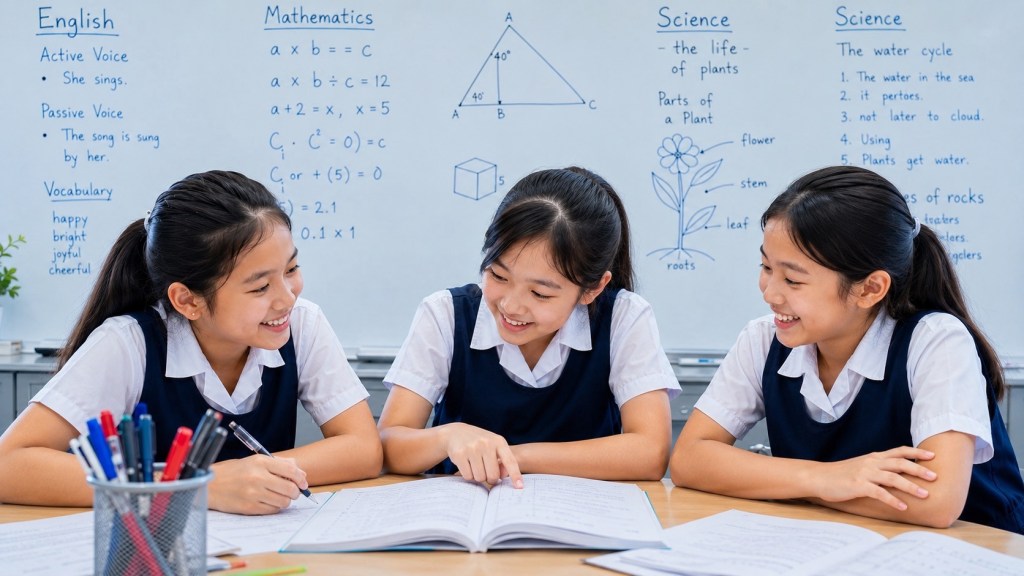
PSLE Science Reality Lab Vol No.346 | “Drag Coefficient = 0.30” — Does That Mean 30% of the Force Is Drag?
PSLE Science Reality Lab: learn why drag coefficient Cd is a dimensionless modelling coefficient, not “30% drag”, and why speed, air density, reference area and test conditions still matter.
-
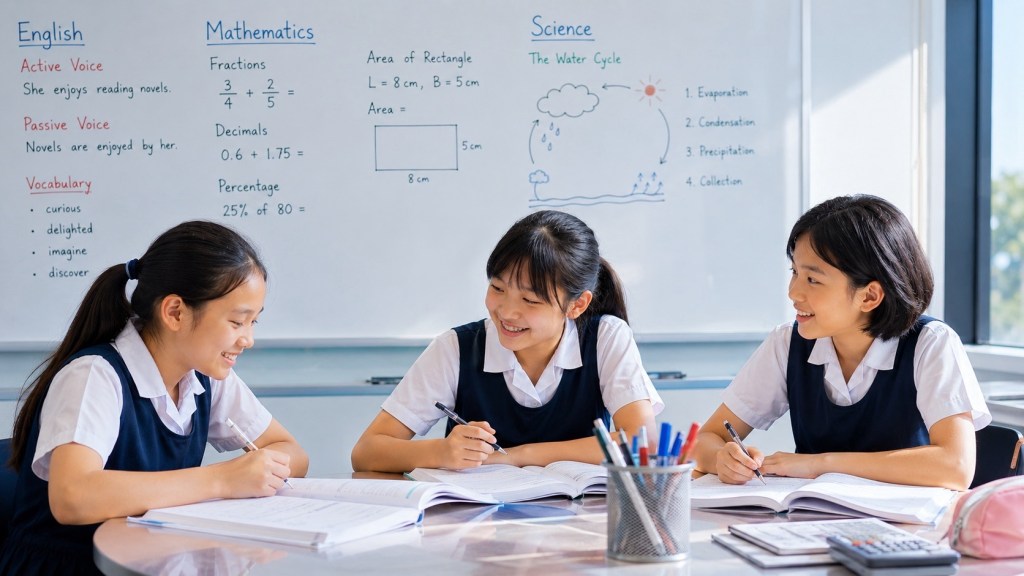
PSLE Science Reality Lab Vol No.345 | “CAPE = 3000 J/kg” — Is a Severe Thunderstorm Guaranteed?
PSLE Science Reality Lab: learn why CAPE is a calculated measure of potential energy for convection, not a direct storm-intensity reading or a guarantee that severe weather will occur.
