
Category: PSLE Primary Science
-
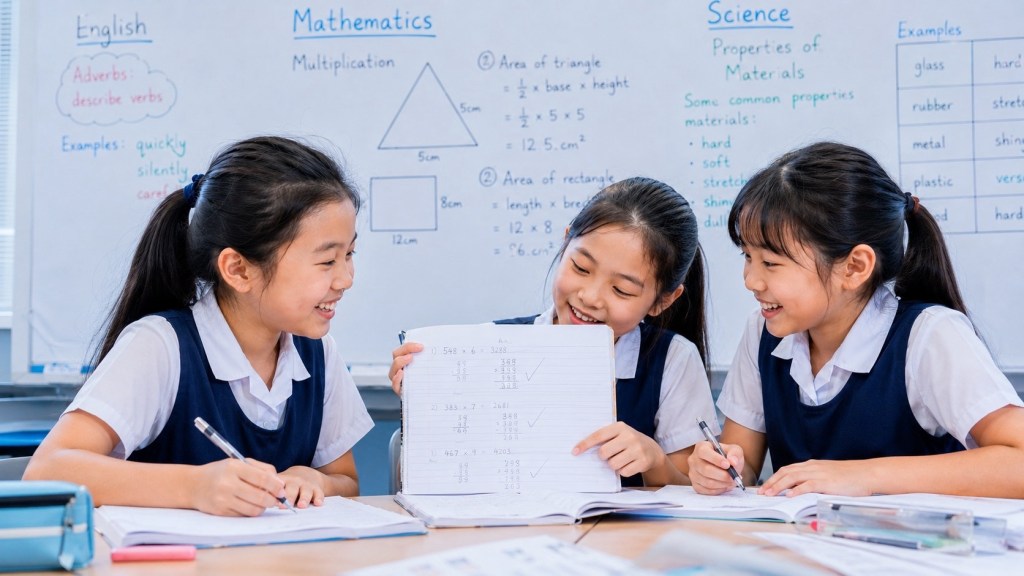
PSLE Science Reality Lab Vol No.373 | “High-Impact Journal” — Does the Journal Name Prove This Result Is Stronger?
A massive Primary 5/6 PSLE Science Reality Lab guide to “high-impact journal” claims: why journal-level citation metrics do not prove the evidence quality of one individual study, and what students should inspect instead.
-
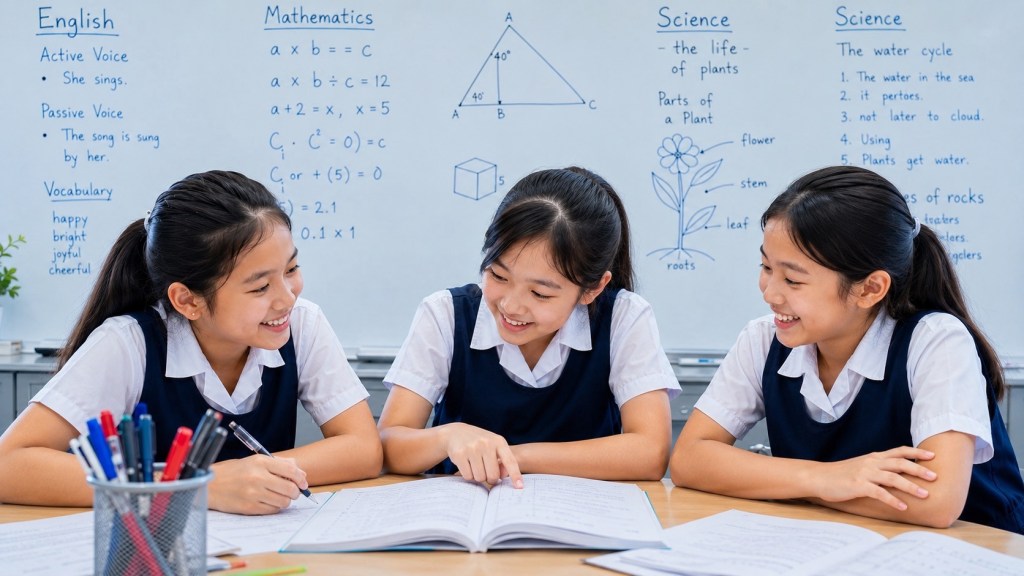
PSLE Science Reality Lab Vol No.372 | “The Abstract Says It Worked” — Have We Seen Enough of the Study to Judge the Claim?
A massive Primary 5/6 PSLE Science Reality Lab guide to research abstracts: how to use a scientific summary without mistaking it for the full method, complete results, limitations or independent confirmation.
-
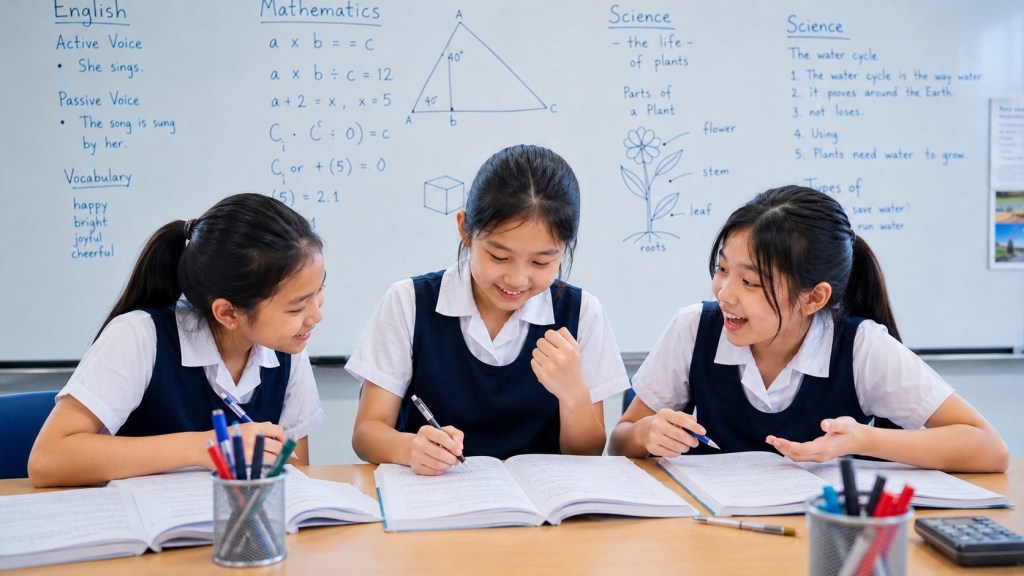
PSLE Science Reality Lab Vol No.371 | “Independently Tested” — Which Part of the Evidence Was Actually Independent?
Learn how a Primary 5/6 student can evaluate “independently tested” scientific and product claims by tracing sampling, method, measurement, analysis and interpretation without treating one badge as proof of everything.
-
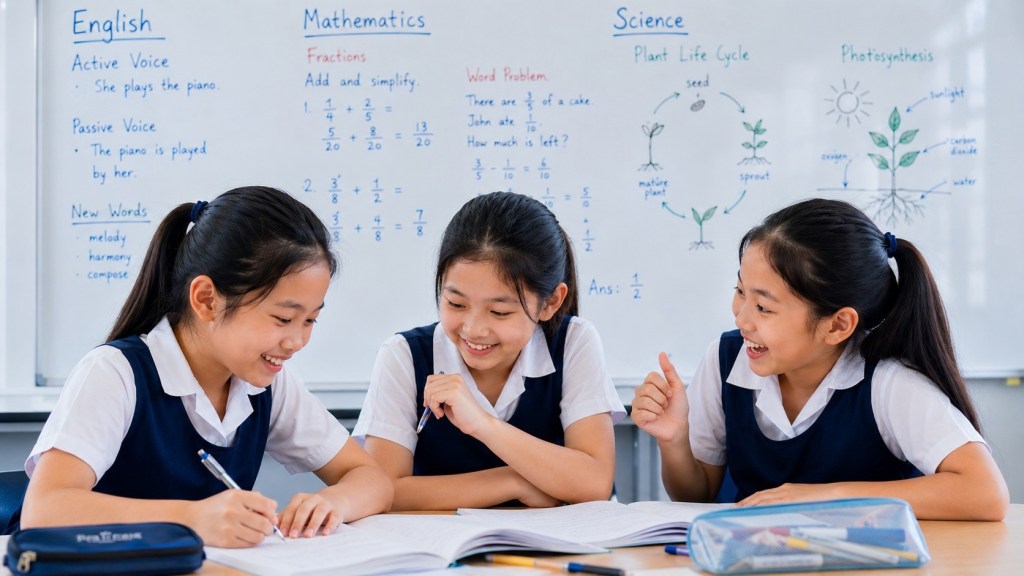
PSLE Science Reality Lab Vol No.370 | “GPS Altitude = 100 m” — Is That Automatically 100 m Above Mean Sea Level?
A massive Primary 5/6 PSLE Science Reality Lab guide to GPS/GNSS altitude: why an ellipsoidal height is not automatically elevation above mean sea level, and how reference surfaces, geoids and vertical datums change what a height number means.
-
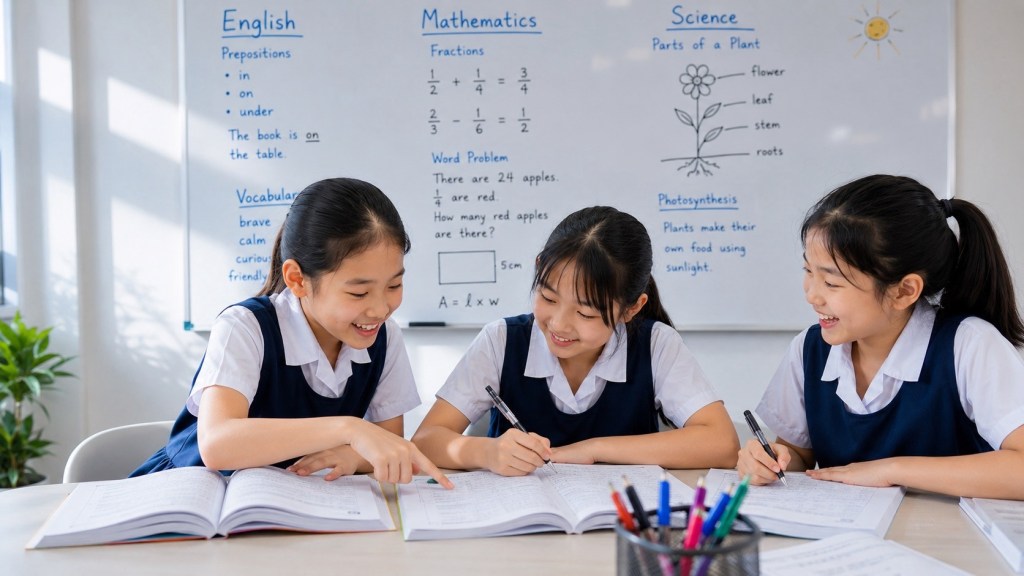
PSLE Science Reality Lab Vol No.369 | “UL 94 V-0” — Does That Mean the Plastic Is Fireproof?
A massive Primary 5/6 PSLE Science Reality Lab guide to UL 94 V-0: why a standardized material flammability classification is useful evidence but does not mean a plastic or finished product is universally fireproof.
-
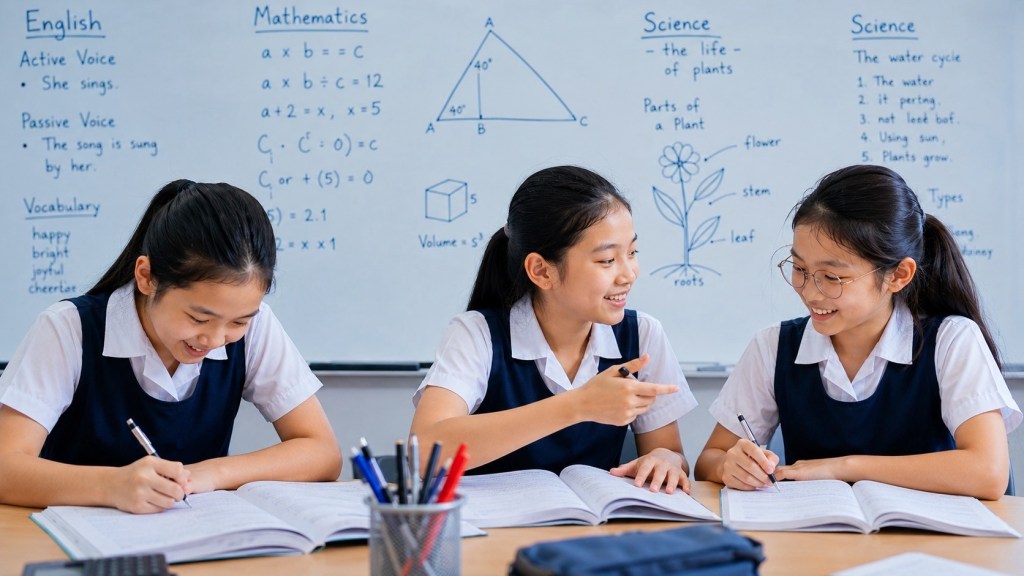
PSLE Science Reality Lab Vol No.368 | “DC Fast Charging Up to 250 kW” — Will It Charge at 250 kW the Whole Time?
A massive Primary 5/6 PSLE Science Reality Lab guide to “up to 250 kW” EV fast-charging claims: how to separate peak power from the changing charging curve, match comparison conditions and avoid confusing kW with kWh.
