
Category: Blog
-
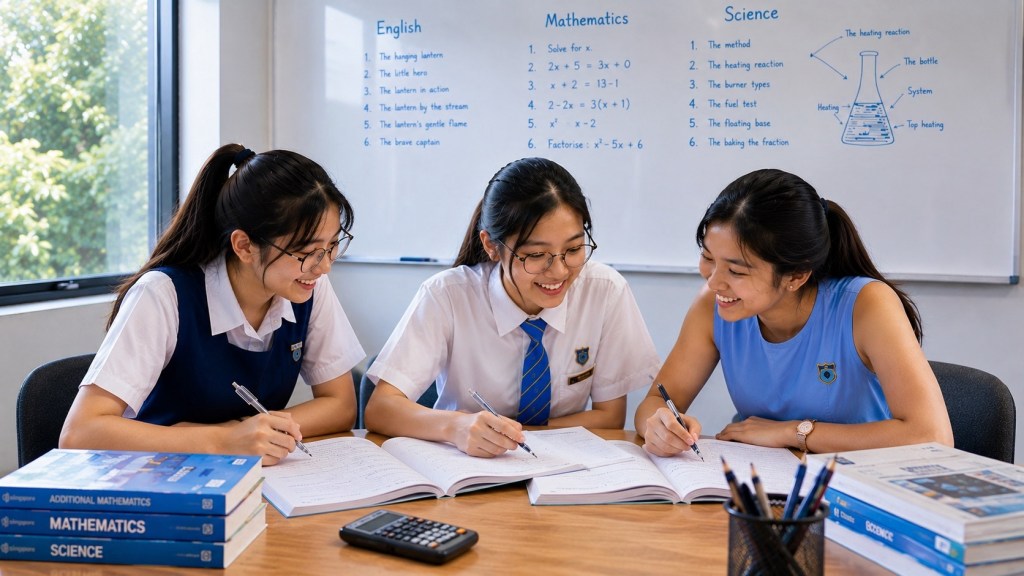
What is SkillsFuture Work-Study Degree After Polytechnic | University and Industry Training
Learn how SkillsFuture Work-Study Degree integrates undergraduate study and industry training, including eligibility, employers, stipends and bonds.
-
Learning G2 English with Bukit Panjang Tutor
G2 English with Bukit Panjang Tutor: K200 comprehension, writing, oral and listening with original examples and independent revision.
-
Learning G1 Science with Bukit Panjang Tutor
G1 Science with Bukit Panjang Tutor: K123 machines, food, human body, investigations, graphs and scientific explanations.
-
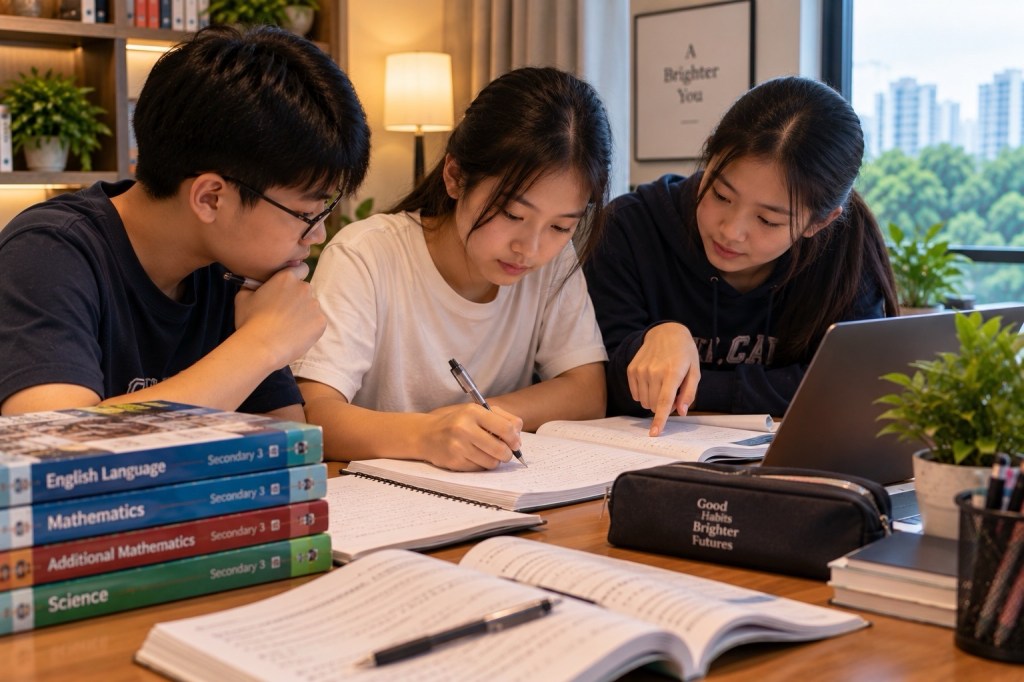
Learning G1 A-Math with Bukit Panjang Tutor
G1 A-Math readiness for Bukit Panjang: no official G1 Additional Mathematics SEC subject; strengthen algebra, equations and independent reasoning.
-
Full-Time vs Part-Time University Degree After Polytechnic | Which Study Path Fits?
Compare full-time versus part-time university degrees after Polytechnic with SUSS and SIT admissions, work experience, fees and study-life fit.
-
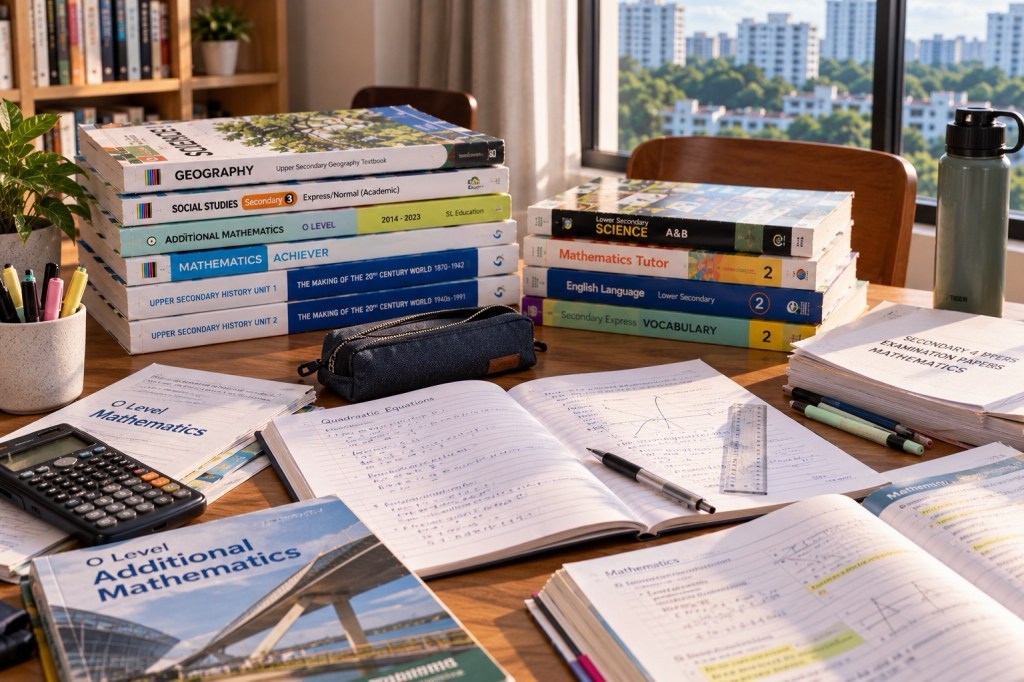
Learning G1 Mathematics with Bukit Panjang Tutor
G1 Mathematics with Bukit Panjang Tutor: K110 fractions, percentages, algebra, geometry, graphs, statistics and probability.
