
Category: Blog
-

How to Plan University Exchange After Polytechnic | Module Mapping, Eligibility and Costs
University exchange planning after Polytechnic: NUS SEP, NTU GEM Explorer, SMU ISEP, academic credit mapping, eligibility and overseas budgets.
-

Learning G1 Mathematics with Choa Chu Kang Tutor
G1 Mathematics Choa Chu Kang Tutor: K110 fractions, percentages, algebra, geometry, graphs and worked solutions.
-

Learning G1 English with Choa Chu Kang Tutor
Choa Chu Kang G1 English tutor guide: K100 reading, grammar, situational writing, listening and oral English practice.
-
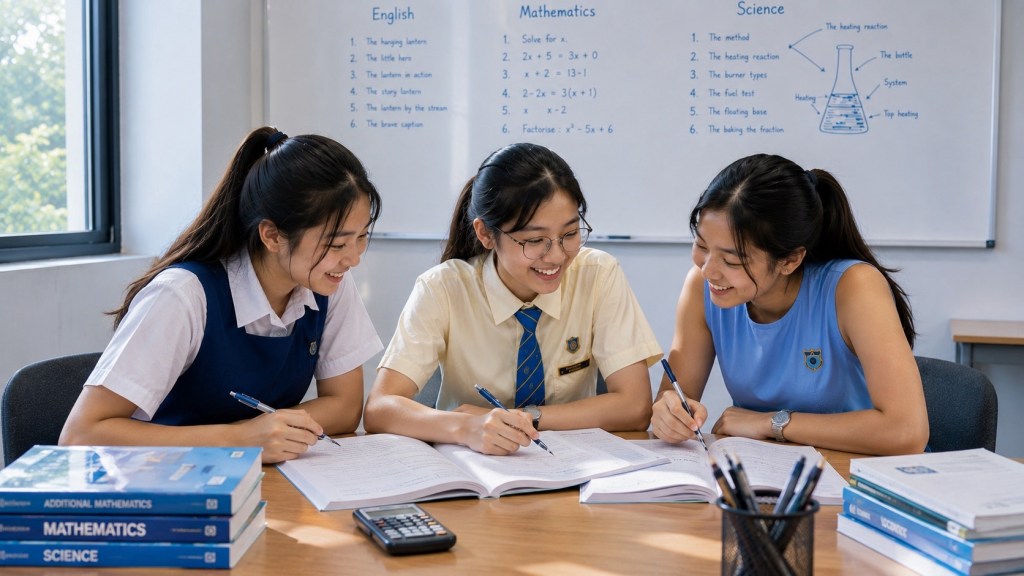
University Second Major vs Minor After Polytechnic | Which Path Fits?
Second major versus minor after Polytechnic: NUS 40 vs 20 units, NTU credit differences, declarations, workload and career fit.
-

Learning G3 Science with Bukit Panjang Tutor
G3 Science with Bukit Panjang Tutor: K323–K328 Physics Chemistry Biology, combined Science and experimental data practice.
-
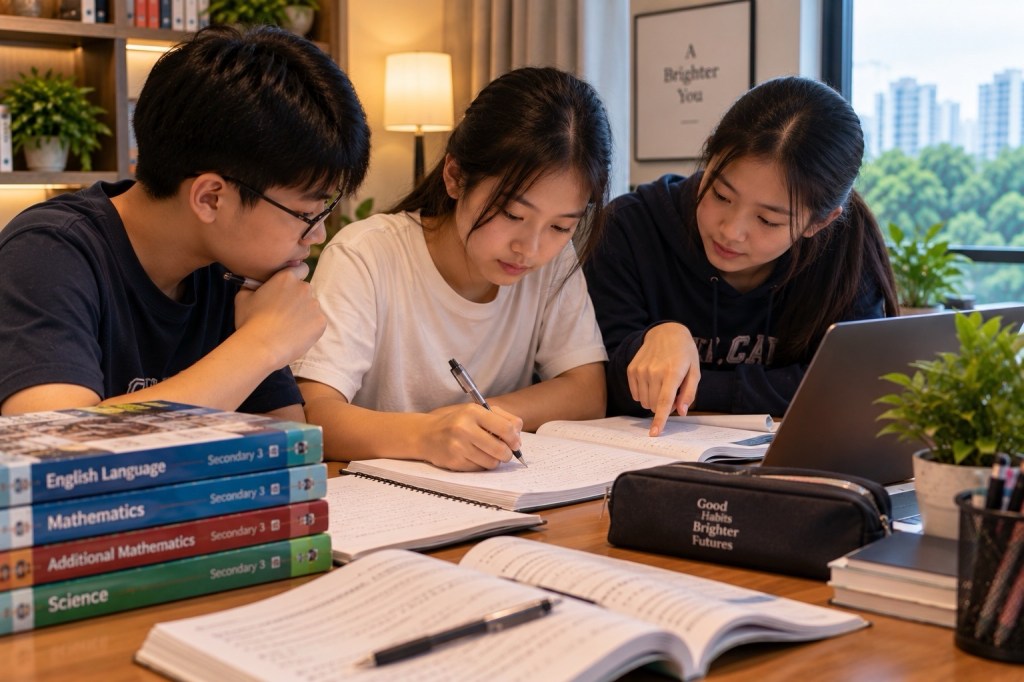
Learning G3 A-Math with Bukit Panjang Tutor
G3 Additional Mathematics with Bukit Panjang Tutor: K341 algebra, functions, trigonometry, derivatives and integrals.
