
Category: Blog
-
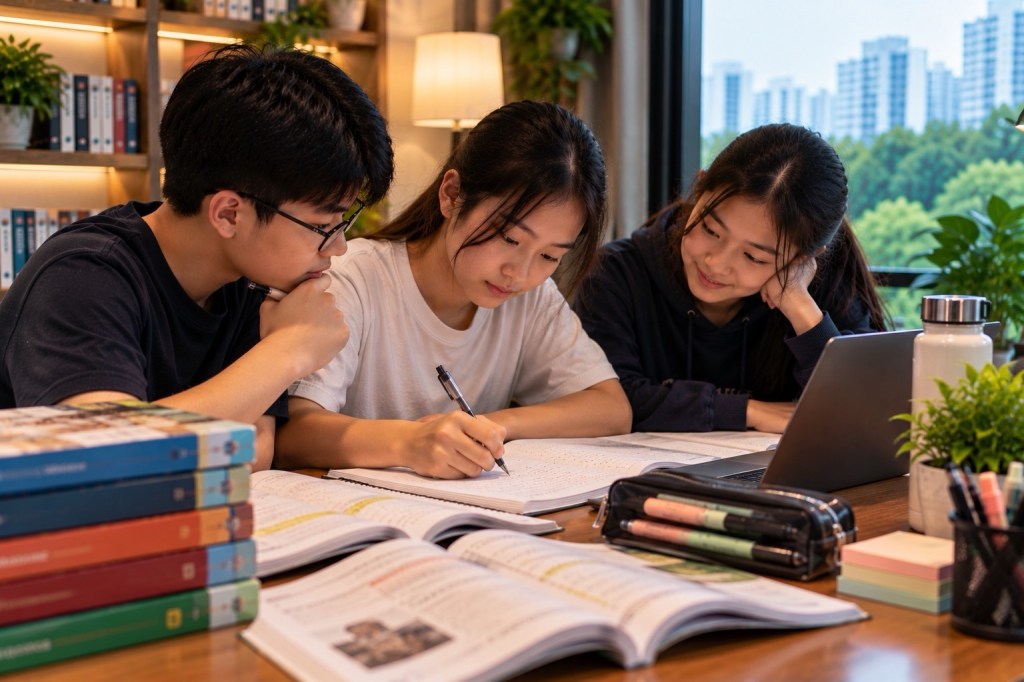
Learning G1 English with Limbang Tutor
G1 English with Limbang Tutor: K100 reading comprehension, writing, language use, listening, oral and independent practice.
-
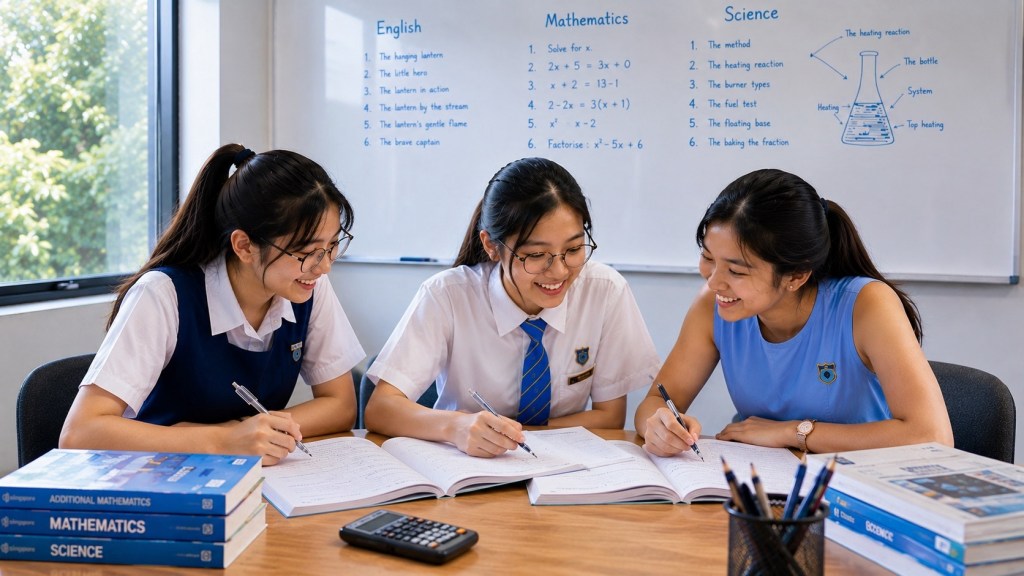
University Research Commercialisation in Singapore | Invention Disclosure, Patents and Licensing
University research commercialisation Singapore: NUS and NTU invention disclosure, patent novelty, licensing, spin-offs, funding and technology translation.
-
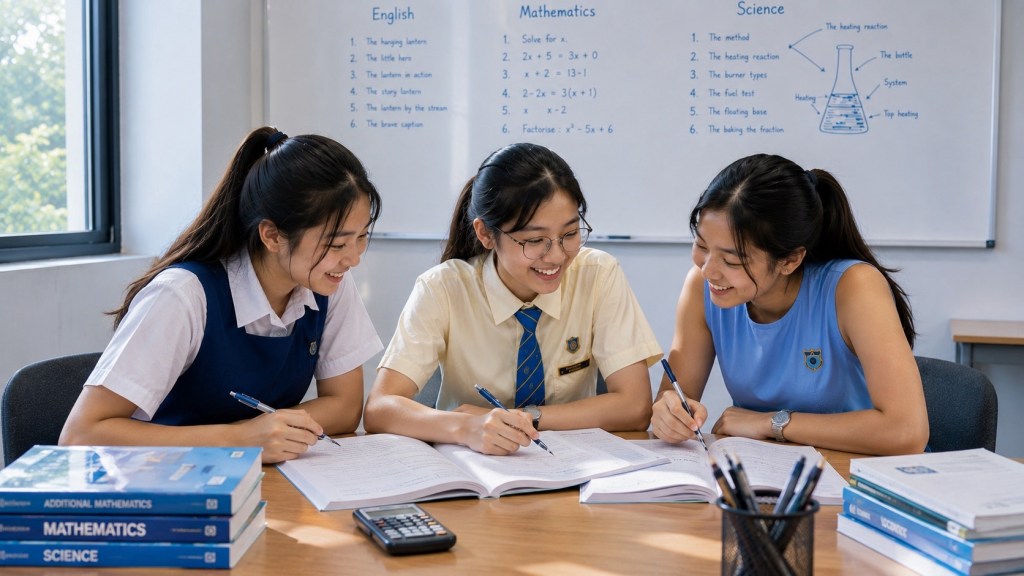
How to Build an Academic CV and Teaching Portfolio in Singapore | Research and Faculty Applications
Singapore academic CV and teaching statement guide: NUS faculty applications, research plans, evidence of student learning, publications and references.
-

Learning G3 Science with Yew Tee Tutor
G3 Science with Yew Tee Tutor: K323–K328 individual and combined Science, Physics, Chemistry, Biology and investigation reasoning.
-
Research Fellow vs Assistant Professor in Singapore | Academic Careers and Tenure Track
Research Fellow versus Assistant Professor in Singapore: NUS tenure, educator and research tracks, faculty recruitment, teaching and academic career progression.
-
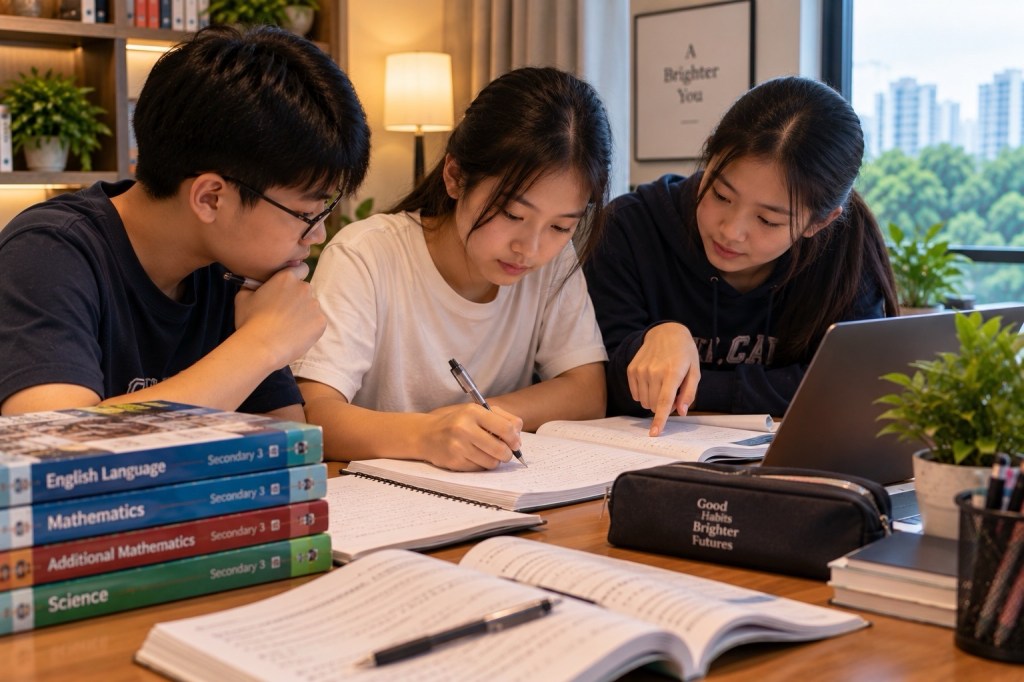
Learning G3 A-Math with Yew Tee Tutor
G3 A-Math with Yew Tee Tutor: K341 SEC algebra, functions, trigonometry, differentiation, integration and worked checks.
