
Category: Blog
-

Learning G1 Science with Yew Tee Tutor
G1 Science with Yew Tee Tutor: K123 machines, energy, food, body health, data interpretation and safe scientific reasoning.
-
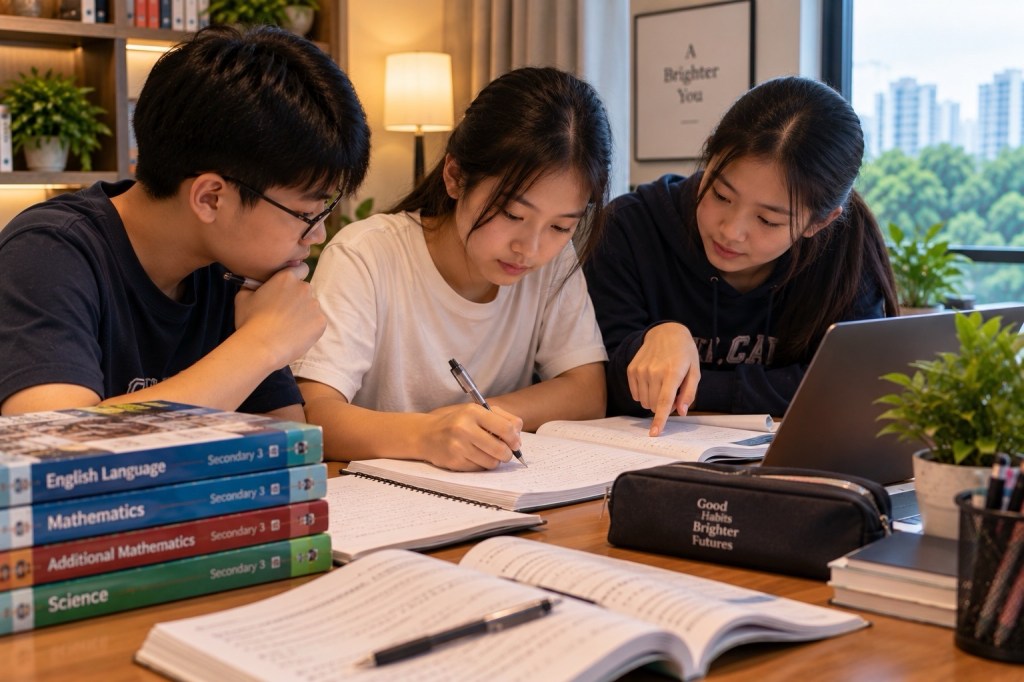
Learning G1 A-Math with Yew Tee Tutor
G1 A-Math readiness with Yew Tee Tutor: G1 has no separate SEC A-Math examination; build fractions, algebra, functions and reasoning.
-
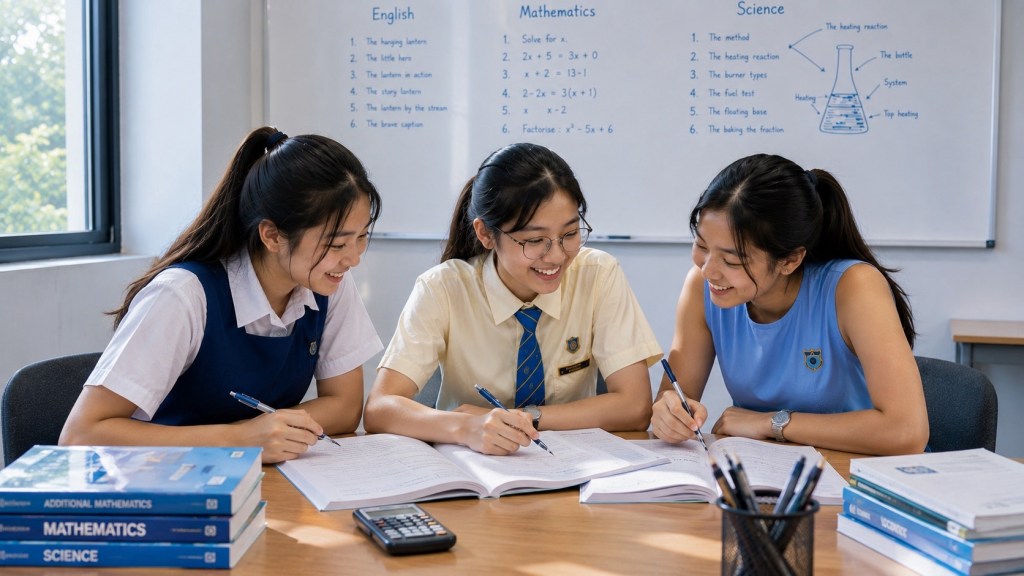
How to Manage University Research Data in Singapore | Data Management Plans and Reproducibility
University research data management in Singapore: NUS and NTU policies, DMPs, secure storage, metadata, consent, repository deposit and reproducibility.
-

Learning G1 Mathematics with Yew Tee Tutor
G1 Mathematics with Yew Tee Tutor: K110 numbers, percentages, algebra, geometry, graph skills and worked word problems.
-
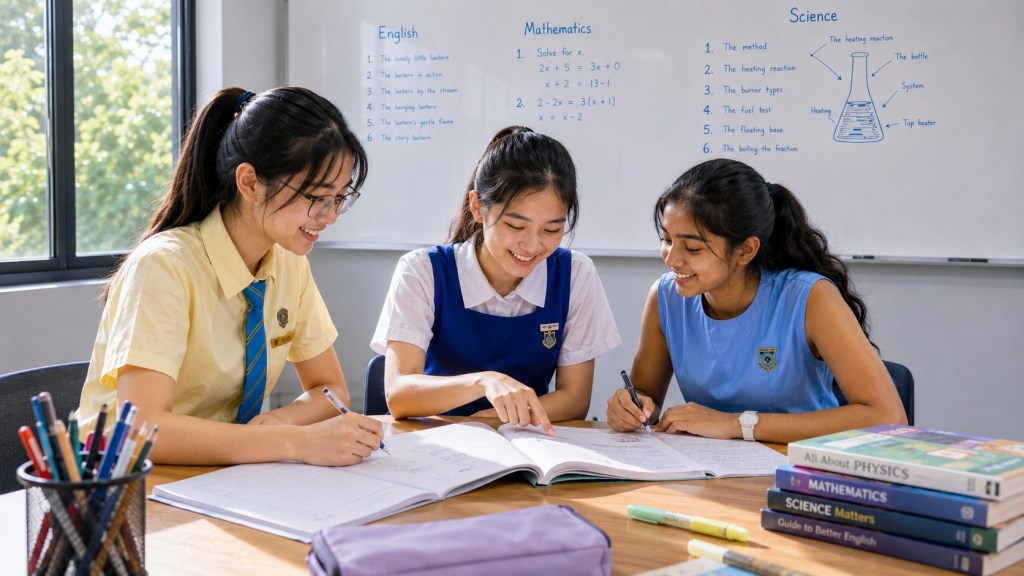
What Is University Research Ethics Review in Singapore | NUS IRB, NTU IRB and Consent
NUS and NTU research ethics review for university theses: IRB and school committees, CITI training, informed consent, surveys, privacy and 2026 changes.
-

Learning G1 English with Yew Tee Tutor
G1 English with Yew Tee Tutor: K100 comprehension, grammar, functional writing, listening, oral and original teaching clinics.
