
Category: Blog
-

Learning G3 Mathematics with Yew Tee Tutor
G3 Mathematics with Yew Tee Tutor: K310 algebra, graphs, trigonometry, geometry, statistics, probability and worked models.
-
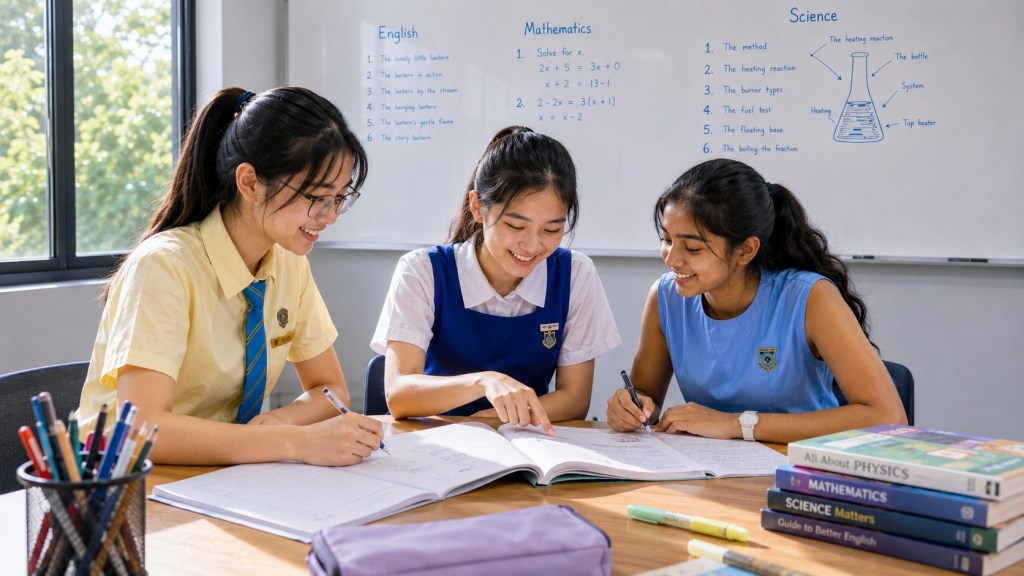
How to Write a Research Grant Proposal in Singapore | NRF Funding, Budget and Milestones
Writing Singapore research grants: NRF CRP, principal investigator eligibility, research aims, methods, budgets, milestones and institutional approval.
-

Learning G3 English with Yew Tee Tutor
G3 English with Yew Tee Tutor: K300 comprehension, summary, writing, language analysis, oral and listening through independent practice.
-

Learning G2 Science with Yew Tee Tutor
G2 Science Yew Tee Tutor: K223 K224 K225 Physics Chemistry Biology pairings, data and experimental reasoning.
-
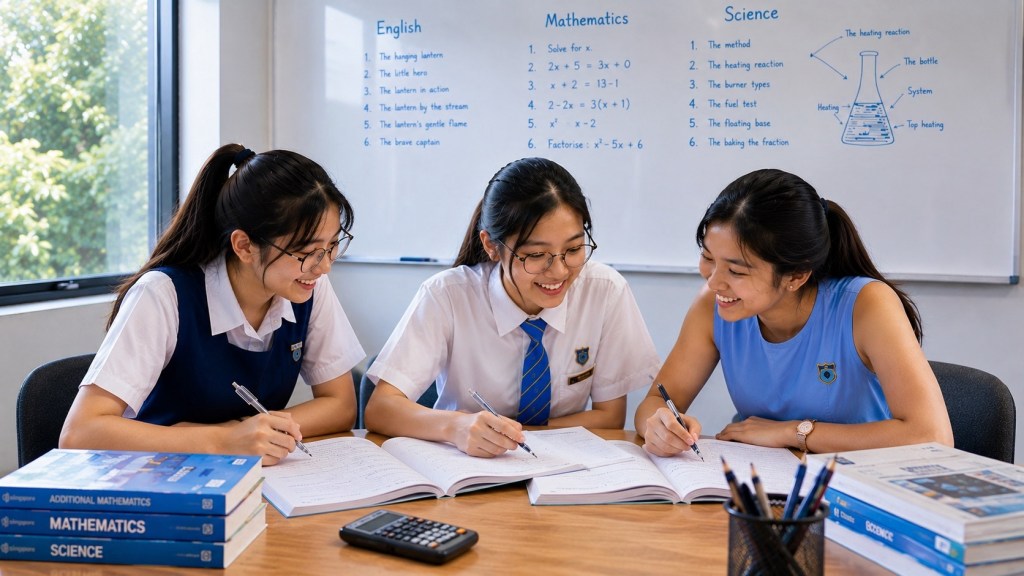
What Is a Postdoctoral Fellowship After a PhD in Singapore | Research Roles, Funding and Careers
Postdoctoral fellowship after PhD in Singapore: NUS and NTU postdoc jobs, research fellow eligibility, salaries versus research grants, mentoring and careers.
-
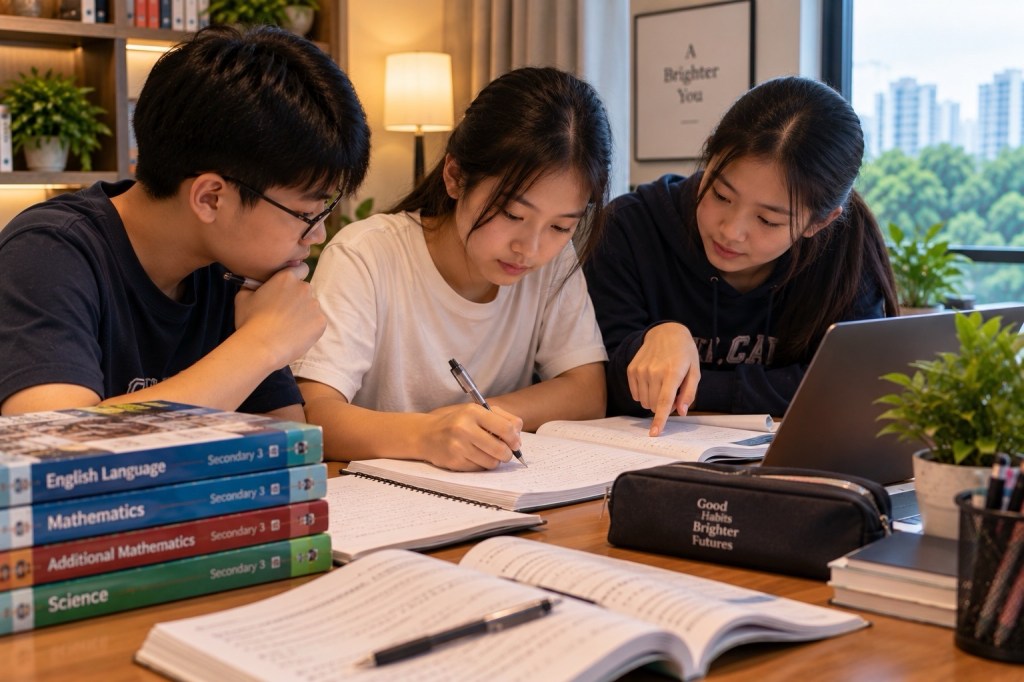
Learning G2 A-Math with Yew Tee Tutor
G2 Additional Mathematics with Yew Tee Tutor: K232 algebra, trigonometry, quadratics, calculus, graphs and worked problems.
