
Author: eduKate Asia
-

Inequalities for Sengkang Families: Compare Values, Read Limits and Solve Clearly
An inequality compares values rather than saying that they are equal. For Sengkang families helping with maths at home, the useful starting point is not a page of algebra. It is a sentence such as “we need at least six cards” or “the total must stay below twenty”. The mathematical sign records exactly which values…
-
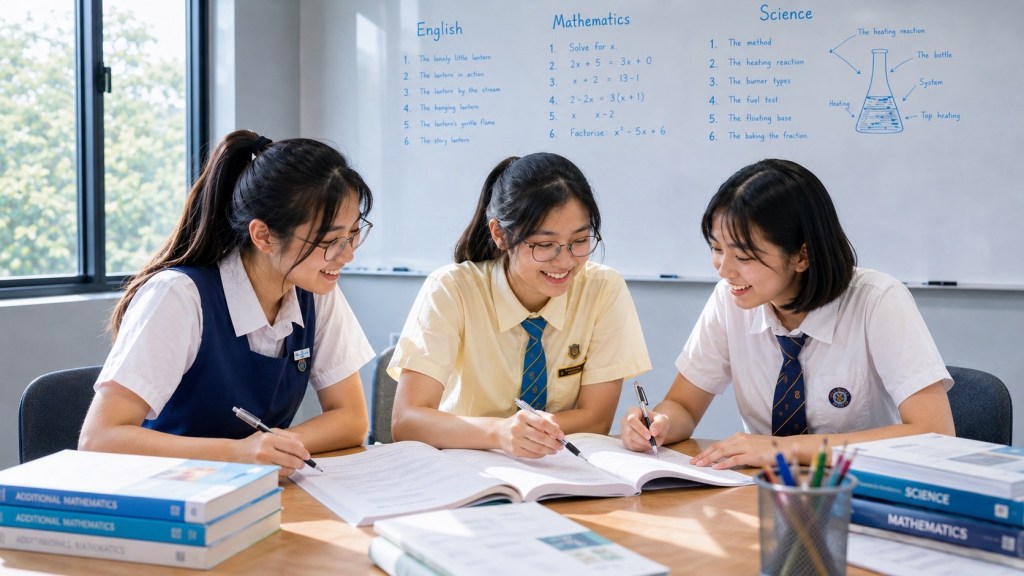
Master Science Tutorials Quickly | SEC G1/G2/G3 Science Lab Reports: From Results Tables to Evidence-Based Conclusions
Learn how SEC G1/G2/G3 Science students turn practical results tables into sound conclusions through worked Physics, Biology and Chemistry datasets.
-
Master Science Tutorials Quickly | Primary 5 to 6 PSLE Science Handover: What to Fix in the Year-End Holidays
Primary 5 to Primary 6 PSLE Science year-end handover: a six-week diagnostic and revision plan with worked explanations, fair-test checks and parent decisions.
-
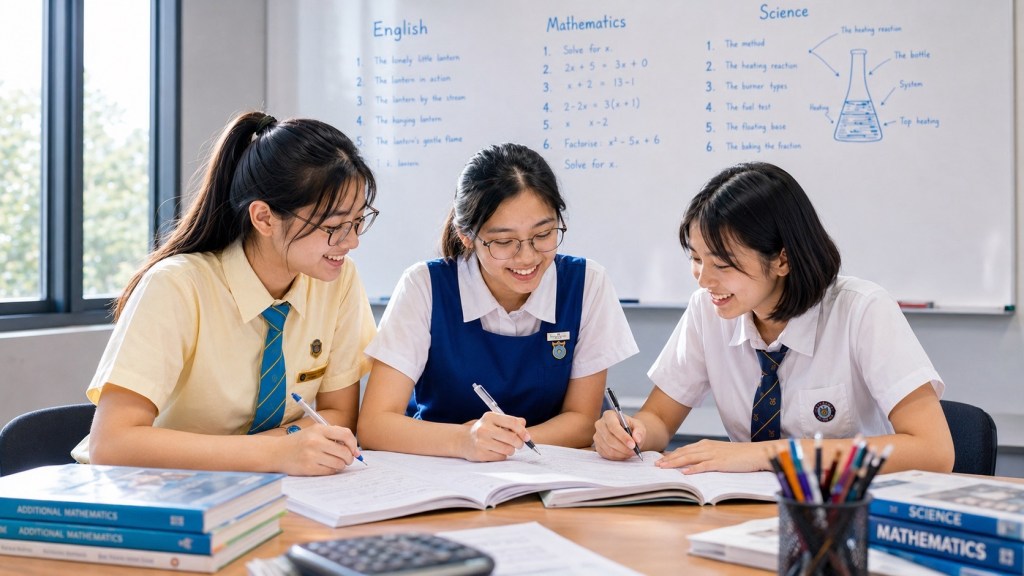
Master Science Tutorials Quickly | Primary 3–4 Science Measurement: Read Scales, Record Units and Compare Fairly
Primary 3–4 Science measurement lessons: read ruler and cylinder scales, use correct units, compare fairly and diagnose common mistakes with explained practice.
-
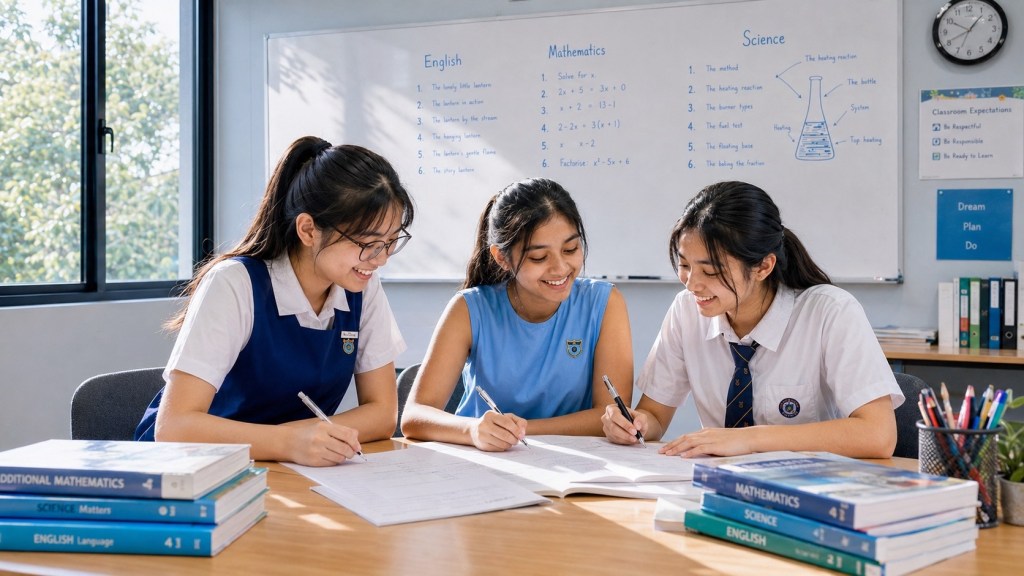
Master Science Tutorials Quickly | Primary 1–2 Science Picture Journal: Observe, Draw, Label and Ask Why
A practical Primary 1–2 Science picture-journal method: observe, draw accurately, label, compare changes and ask testable questions using safe Sengkang family activities.
-
Modal Verbs for Sengkang Children: Can, Could, Must, Should and Meaning
Modal verbs help a speaker express ability, permission, possibility, advice or obligation. For Sengkang children, begin with the intended message before choosing can, could, may, might, must or should. ‘You may use the ruler’ grants permission; ‘You must use the ruler’ states a requirement in the supplied context.
