
Author: eduKate Asia
-

PSLE Science Reality Lab Vol No.036 | “Live Data” — When Did This Dataset Actually Stop Updating?
PSLE-SCI-REALITY-0036. A massive Primary 5/6 Reality Lab guide to scientific data freshness: check observation dates, update status and provenance before treating a dashboard as evidence of current conditions.
-

PSLE Science Reality Lab Vol No.035 | “We Predicted It” — Was the Prediction Written Before the Results Were Known?
PSLE-SCI-REALITY-0035. A massive Primary 5/6 Reality Lab guide to prediction claims: distinguish a plan recorded before results from an explanation fitted after seeing the data.
-

PSLE Science Reality Lab Vol No.034 | “The Forest Is Red” — Is That What the Satellite Actually Saw?
PSLE-SCI-REALITY-0034. A massive Primary 5/6 Reality Lab guide to false-colour scientific images: separate measured wavelength data from display colours, read the legend, and decide what the image actually supports.
-
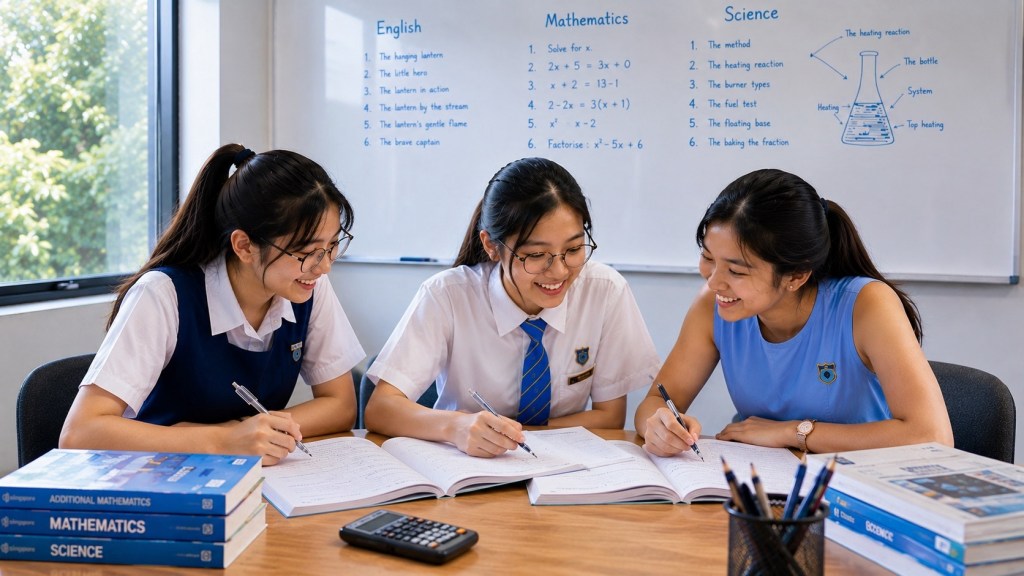
The Tutor Handbook Vol No.0071 | The Applicability Check — How a Tutor Decides Whether Research From Another Age, Subject, Country or Setting Belongs in This Learner’s Route
THB-0071. The Applicability Check helps tutors decide whether research from another population, subject, country or setting is relevant enough to justify a change for the learner in front of them, without rejecting useful evidence or overclaiming transfer.
-
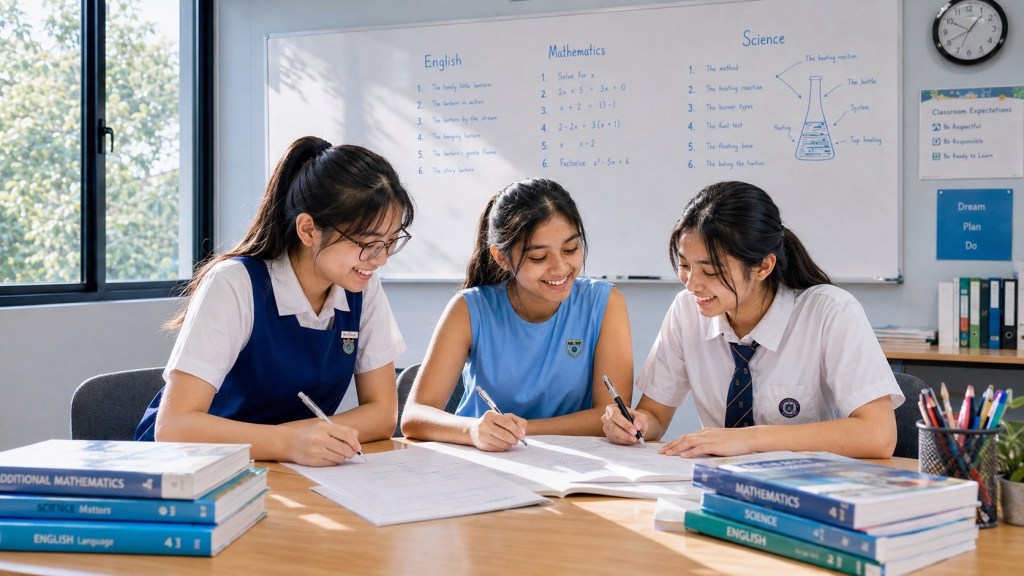
The Tutor Handbook Vol No.0070 | The Rehearsal-to-Live Gate — How a Tutor Practises Professional Judgement on Cases and Rehearsals Before Using It With a Learner
THB-0070. The Rehearsal-to-Live Gate explains how tutors practise judgement, questioning, feedback and support decisions on cases and rehearsals before using them with learners, then test whether the rehearsed move survives real teaching.
-
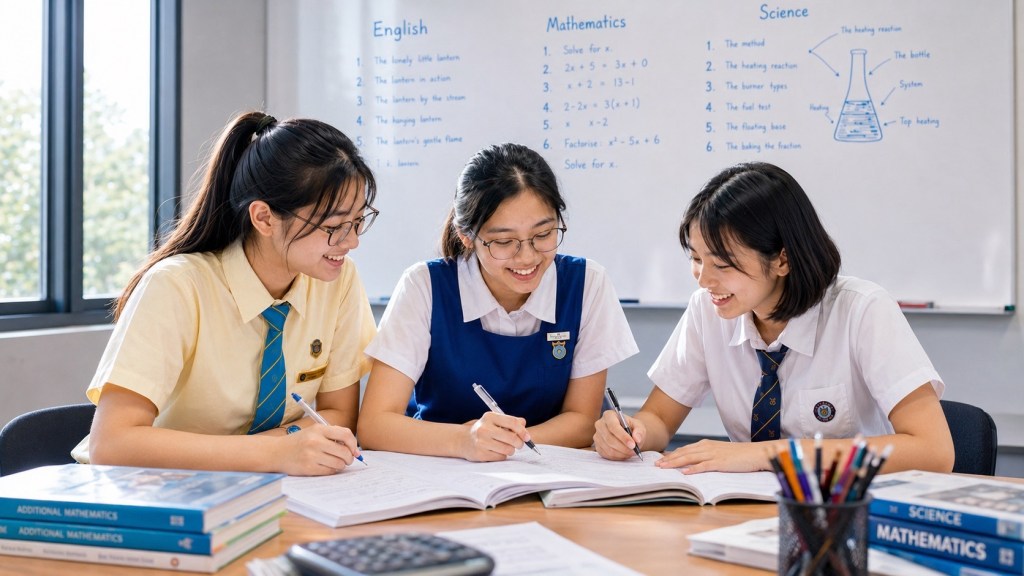
The Tutor Handbook Vol No.0069 | The Evidence Conference — How Tutors Resolve Disagreement About the Same Learner Work Without Voting, Averaging or Pulling Rank
THB-0069. The Evidence Conference gives tutors a disciplined way to resolve conflicting interpretations of the same learner work by separating observations, criteria, claims and next tests instead of voting, averaging opinions or relying on seniority.
