
Author: eduKate Asia
-
PSLE Science Reality Lab Vol No.377 | “n = 3 Technical Replicates” — Were There Three Independent Samples?
PSLE Science Reality Lab: learn why three technical replicates can be useful repeated measurements without automatically becoming three independent scientific samples.
-
PSLE Science Reality Lab Vol No.376 | “20 mg/kg Dry Weight” — Is That 20 mg/kg in the Wet Sample Too?
PSLE Science Reality Lab: learn why a concentration reported per kilogram dry weight is not automatically the same number on a wet-weight basis, and how denominator choice changes interpretation.
-
PSLE Science Reality Lab Vol No.375 | “24-Hour Composite Sample = 5 mg/L” — Was the Water 5 mg/L All Day?
PSLE Science Reality Lab: learn why one 24-hour composite-sample result represents a combined sampling design, not proof that the measured concentration stayed constant at every moment.
-
PSLE Science Reality Lab Vol No.373 | “High-Impact Journal” — Does the Journal Name Prove This Result Is Stronger?
A massive Primary 5/6 PSLE Science Reality Lab guide to “high-impact journal” claims: why journal-level citation metrics do not prove the evidence quality of one individual study, and what students should inspect instead.
-
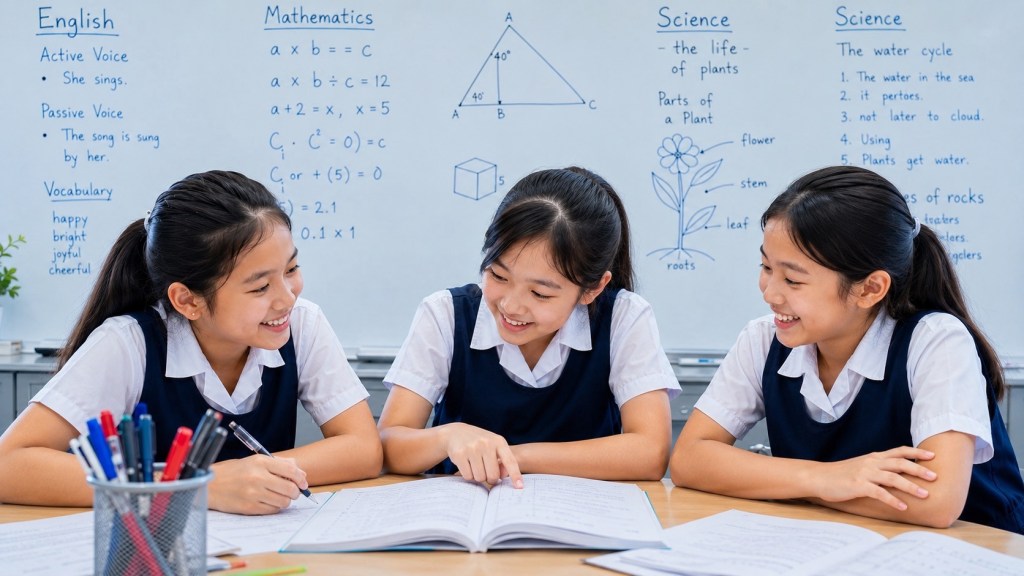
PSLE Science Reality Lab Vol No.372 | “The Abstract Says It Worked” — Have We Seen Enough of the Study to Judge the Claim?
A massive Primary 5/6 PSLE Science Reality Lab guide to research abstracts: how to use a scientific summary without mistaking it for the full method, complete results, limitations or independent confirmation.
-
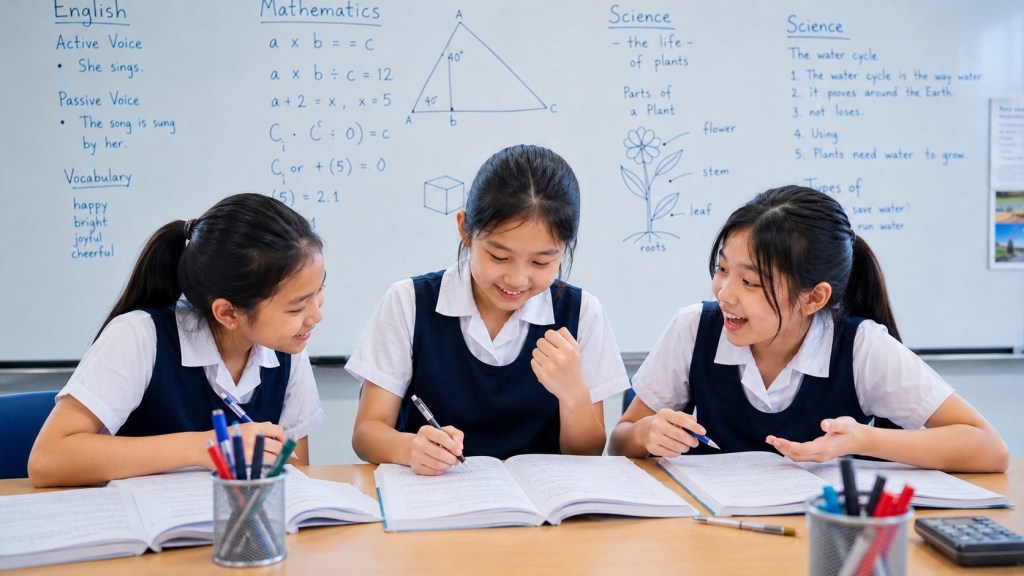
PSLE Science Reality Lab Vol No.371 | “Independently Tested” — Which Part of the Evidence Was Actually Independent?
Learn how a Primary 5/6 student can evaluate “independently tested” scientific and product claims by tracing sampling, method, measurement, analysis and interpretation without treating one badge as proof of everything.
