
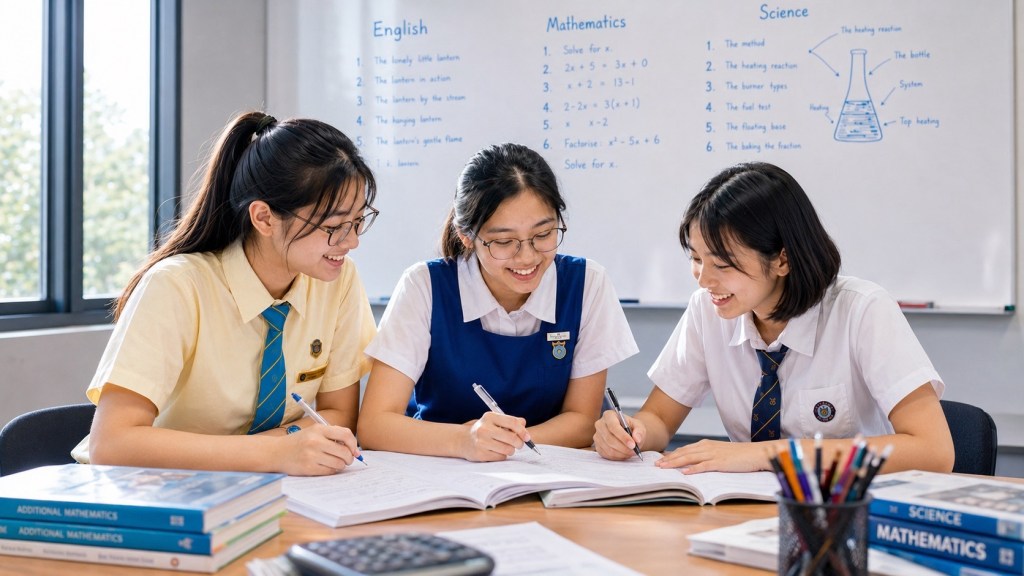
G2 SEC examination checking becomes more powerful when the second look is genuinely independent of the first. Repeating the same reasoning can reproduce the same hidden mistake. This seventy-second Learner’s Guide develops verification asymmetry: choose a check that attacks the answer from a different direction.
The method applies across K200 English, K210 Mathematics and K223–K225 Science. It extends Vol 0053 by focusing not on which answer to check, but on how to check it without simply re-performing the original route.
The rule: check differently, not merely twice
An independent check should be capable of disagreeing with the original method. If both routes share the same assumption, copied value or misread source, agreement is weak evidence. Good verification changes representation, direction, evidence source or constraint.
1. Source ownership
Verification move: verify that an English idea belongs to the named text, speaker or paragraph rather than a nearby source. This is valuable because it targets a different failure channel from simply repeating the original answer. The learner should identify what the first route assumed, then choose a check that can expose that assumption if it is wrong.
Practice test: Build a contrast pair in which the original method gives one correct and one deliberately flawed answer. Apply the independent check to both. The check is useful only if it reliably separates the two without requiring a complete re-solve. Under examination time, compress the routine to the smallest decisive action.
2. Referent substitution
Verification move: replace a pronoun with its candidate noun and reread the sentence for grammar and meaning. This is valuable because it targets a different failure channel from simply repeating the original answer. The learner should identify what the first route assumed, then choose a check that can expose that assumption if it is wrong.
Practice test: Build a contrast pair in which the original method gives one correct and one deliberately flawed answer. Apply the independent check to both. The check is useful only if it reliably separates the two without requiring a complete re-solve. Under examination time, compress the routine to the smallest decisive action.
3. Chronology
Verification move: check whether information used to explain an action was actually known at that time. This is valuable because it targets a different failure channel from simply repeating the original answer. The learner should identify what the first route assumed, then choose a check that can expose that assumption if it is wrong.
Practice test: Build a contrast pair in which the original method gives one correct and one deliberately flawed answer. Apply the independent check to both. The check is useful only if it reliably separates the two without requiring a complete re-solve. Under examination time, compress the routine to the smallest decisive action.
4. Paraphrase fidelity
Verification move: compare certainty, quantity, causation and scope between source and rewritten answer. This is valuable because it targets a different failure channel from simply repeating the original answer. The learner should identify what the first route assumed, then choose a check that can expose that assumption if it is wrong.
Practice test: Build a contrast pair in which the original method gives one correct and one deliberately flawed answer. Apply the independent check to both. The check is useful only if it reliably separates the two without requiring a complete re-solve. Under examination time, compress the routine to the smallest decisive action.
5. Task fulfilment
Verification move: audit required content independently of how fluent the writing sounds. This is valuable because it targets a different failure channel from simply repeating the original answer. The learner should identify what the first route assumed, then choose a check that can expose that assumption if it is wrong.
Practice test: Build a contrast pair in which the original method gives one correct and one deliberately flawed answer. Apply the independent check to both. The check is useful only if it reliably separates the two without requiring a complete re-solve. Under examination time, compress the routine to the smallest decisive action.
6. Summary uniqueness
Verification move: ask what unique relevant information each summary point contributes. This is valuable because it targets a different failure channel from simply repeating the original answer. The learner should identify what the first route assumed, then choose a check that can expose that assumption if it is wrong.
Practice test: Build a contrast pair in which the original method gives one correct and one deliberately flawed answer. Apply the independent check to both. The check is useful only if it reliably separates the two without requiring a complete re-solve. Under examination time, compress the routine to the smallest decisive action.
7. Algebra substitution
Verification move: put a candidate solution back into the original equation or condition. This is valuable because it targets a different failure channel from simply repeating the original answer. The learner should identify what the first route assumed, then choose a check that can expose that assumption if it is wrong.
Practice test: Build a contrast pair in which the original method gives one correct and one deliberately flawed answer. Apply the independent check to both. The check is useful only if it reliably separates the two without requiring a complete re-solve. Under examination time, compress the routine to the smallest decisive action.
8. Estimation
Verification move: compare a calculator result with a rough order-of-magnitude expectation. This is valuable because it targets a different failure channel from simply repeating the original answer. The learner should identify what the first route assumed, then choose a check that can expose that assumption if it is wrong.
Practice test: Build a contrast pair in which the original method gives one correct and one deliberately flawed answer. Apply the independent check to both. The check is useful only if it reliably separates the two without requiring a complete re-solve. Under examination time, compress the routine to the smallest decisive action.
9. Unit structure
Verification move: track units through a formula to verify numerator, denominator and conversion direction. This is valuable because it targets a different failure channel from simply repeating the original answer. The learner should identify what the first route assumed, then choose a check that can expose that assumption if it is wrong.
Practice test: Build a contrast pair in which the original method gives one correct and one deliberately flawed answer. Apply the independent check to both. The check is useful only if it reliably separates the two without requiring a complete re-solve. Under examination time, compress the routine to the smallest decisive action.
10. Boundary feasibility
Verification move: test neighbouring values against minimum, maximum, integer or domain constraints. This is valuable because it targets a different failure channel from simply repeating the original answer. The learner should identify what the first route assumed, then choose a check that can expose that assumption if it is wrong.
Practice test: Build a contrast pair in which the original method gives one correct and one deliberately flawed answer. Apply the independent check to both. The check is useful only if it reliably separates the two without requiring a complete re-solve. Under examination time, compress the routine to the smallest decisive action.
11. Graph agreement
Verification move: compare symbolic results with expected gradient, intercept, direction and scale. This is valuable because it targets a different failure channel from simply repeating the original answer. The learner should identify what the first route assumed, then choose a check that can expose that assumption if it is wrong.
Practice test: Build a contrast pair in which the original method gives one correct and one deliberately flawed answer. Apply the independent check to both. The check is useful only if it reliably separates the two without requiring a complete re-solve. Under examination time, compress the routine to the smallest decisive action.
12. Reverse operation
Verification move: work backwards from a result when the inverse process is available. This is valuable because it targets a different failure channel from simply repeating the original answer. The learner should identify what the first route assumed, then choose a check that can expose that assumption if it is wrong.
Practice test: Build a contrast pair in which the original method gives one correct and one deliberately flawed answer. Apply the independent check to both. The check is useful only if it reliably separates the two without requiring a complete re-solve. Under examination time, compress the routine to the smallest decisive action.
13. Ratio sense
Verification move: translate a ratio or percentage into an ordinary verbal comparison before trusting it. This is valuable because it targets a different failure channel from simply repeating the original answer. The learner should identify what the first route assumed, then choose a check that can expose that assumption if it is wrong.
Practice test: Build a contrast pair in which the original method gives one correct and one deliberately flawed answer. Apply the independent check to both. The check is useful only if it reliably separates the two without requiring a complete re-solve. Under examination time, compress the routine to the smallest decisive action.
14. Probability range
Verification move: check that a probability lies from zero to one and fits the event structure. This is valuable because it targets a different failure channel from simply repeating the original answer. The learner should identify what the first route assumed, then choose a check that can expose that assumption if it is wrong.
Practice test: Build a contrast pair in which the original method gives one correct and one deliberately flawed answer. Apply the independent check to both. The check is useful only if it reliably separates the two without requiring a complete re-solve. Under examination time, compress the routine to the smallest decisive action.
15. Observation versus inference
Verification move: separate what Science measured from what scientific knowledge explains. This is valuable because it targets a different failure channel from simply repeating the original answer. The learner should identify what the first route assumed, then choose a check that can expose that assumption if it is wrong.
Practice test: Build a contrast pair in which the original method gives one correct and one deliberately flawed answer. Apply the independent check to both. The check is useful only if it reliably separates the two without requiring a complete re-solve. Under examination time, compress the routine to the smallest decisive action.
16. Control variables
Verification move: test whether competing causes were controlled before writing a causal conclusion. This is valuable because it targets a different failure channel from simply repeating the original answer. The learner should identify what the first route assumed, then choose a check that can expose that assumption if it is wrong.
Practice test: Build a contrast pair in which the original method gives one correct and one deliberately flawed answer. Apply the independent check to both. The check is useful only if it reliably separates the two without requiring a complete re-solve. Under examination time, compress the routine to the smallest decisive action.
17. Counterfactual cause
Verification move: ask what should change if the proposed cause were removed or reversed. This is valuable because it targets a different failure channel from simply repeating the original answer. The learner should identify what the first route assumed, then choose a check that can expose that assumption if it is wrong.
Practice test: Build a contrast pair in which the original method gives one correct and one deliberately flawed answer. Apply the independent check to both. The check is useful only if it reliably separates the two without requiring a complete re-solve. Under examination time, compress the routine to the smallest decisive action.
18. Science magnitude
Verification move: compare a quantitative answer with a physically or biologically plausible scale. This is valuable because it targets a different failure channel from simply repeating the original answer. The learner should identify what the first route assumed, then choose a check that can expose that assumption if it is wrong.
Practice test: Build a contrast pair in which the original method gives one correct and one deliberately flawed answer. Apply the independent check to both. The check is useful only if it reliably separates the two without requiring a complete re-solve. Under examination time, compress the routine to the smallest decisive action.
19. Graph-table cross-check
Verification move: compare selected plotted points with the source table before interpreting the trend. This is valuable because it targets a different failure channel from simply repeating the original answer. The learner should identify what the first route assumed, then choose a check that can expose that assumption if it is wrong.
Practice test: Build a contrast pair in which the original method gives one correct and one deliberately flawed answer. Apply the independent check to both. The check is useful only if it reliably separates the two without requiring a complete re-solve. Under examination time, compress the routine to the smallest decisive action.
20. Model versus measurement
Verification move: keep prediction and recorded value separate and inspect the size of disagreement. This is valuable because it targets a different failure channel from simply repeating the original answer. The learner should identify what the first route assumed, then choose a check that can expose that assumption if it is wrong.
Practice test: Build a contrast pair in which the original method gives one correct and one deliberately flawed answer. Apply the independent check to both. The check is useful only if it reliably separates the two without requiring a complete re-solve. Under examination time, compress the routine to the smallest decisive action.
21. Repeatability
Verification move: inspect spread among repeated readings before relying on their mean. This is valuable because it targets a different failure channel from simply repeating the original answer. The learner should identify what the first route assumed, then choose a check that can expose that assumption if it is wrong.
Practice test: Build a contrast pair in which the original method gives one correct and one deliberately flawed answer. Apply the independent check to both. The check is useful only if it reliably separates the two without requiring a complete re-solve. Under examination time, compress the routine to the smallest decisive action.
22. Anomaly influence
Verification move: test how strongly one unusual point changes the pattern without deleting it automatically. This is valuable because it targets a different failure channel from simply repeating the original answer. The learner should identify what the first route assumed, then choose a check that can expose that assumption if it is wrong.
Practice test: Build a contrast pair in which the original method gives one correct and one deliberately flawed answer. Apply the independent check to both. The check is useful only if it reliably separates the two without requiring a complete re-solve. Under examination time, compress the routine to the smallest decisive action.
23. Command word
Verification move: match the response operation to describe, explain, calculate, compare, justify or suggest. This is valuable because it targets a different failure channel from simply repeating the original answer. The learner should identify what the first route assumed, then choose a check that can expose that assumption if it is wrong.
Practice test: Build a contrast pair in which the original method gives one correct and one deliberately flawed answer. Apply the independent check to both. The check is useful only if it reliably separates the two without requiring a complete re-solve. Under examination time, compress the routine to the smallest decisive action.
24. Mark value
Verification move: check whether response depth is proportionate to the task and marks available. This is valuable because it targets a different failure channel from simply repeating the original answer. The learner should identify what the first route assumed, then choose a check that can expose that assumption if it is wrong.
Practice test: Build a contrast pair in which the original method gives one correct and one deliberately flawed answer. Apply the independent check to both. The check is useful only if it reliably separates the two without requiring a complete re-solve. Under examination time, compress the routine to the smallest decisive action.
25. Answer transfer
Verification move: verify numbering, option choice and response location independently of content. This is valuable because it targets a different failure channel from simply repeating the original answer. The learner should identify what the first route assumed, then choose a check that can expose that assumption if it is wrong.
Practice test: Build a contrast pair in which the original method gives one correct and one deliberately flawed answer. Apply the independent check to both. The check is useful only if it reliably separates the two without requiring a complete re-solve. Under examination time, compress the routine to the smallest decisive action.
26. Return state
Verification move: ensure a skipped question records known state, exact block and next useful action. This is valuable because it targets a different failure channel from simply repeating the original answer. The learner should identify what the first route assumed, then choose a check that can expose that assumption if it is wrong.
Practice test: Build a contrast pair in which the original method gives one correct and one deliberately flawed answer. Apply the independent check to both. The check is useful only if it reliably separates the two without requiring a complete re-solve. Under examination time, compress the routine to the smallest decisive action.
27. Choice commitment
Verification move: confirm the permitted option and stop carrying the unchosen question mentally. This is valuable because it targets a different failure channel from simply repeating the original answer. The learner should identify what the first route assumed, then choose a check that can expose that assumption if it is wrong.
Practice test: Build a contrast pair in which the original method gives one correct and one deliberately flawed answer. Apply the independent check to both. The check is useful only if it reliably separates the two without requiring a complete re-solve. Under examination time, compress the routine to the smallest decisive action.
28. Calculator entry
Verification move: compare typed expression with written expression before re-deriving the mathematics. This is valuable because it targets a different failure channel from simply repeating the original answer. The learner should identify what the first route assumed, then choose a check that can expose that assumption if it is wrong.
Practice test: Build a contrast pair in which the original method gives one correct and one deliberately flawed answer. Apply the independent check to both. The check is useful only if it reliably separates the two without requiring a complete re-solve. Under examination time, compress the routine to the smallest decisive action.
29. Copied value
Verification move: compare a transferred number directly with its table, graph or earlier-subpart source. This is valuable because it targets a different failure channel from simply repeating the original answer. The learner should identify what the first route assumed, then choose a check that can expose that assumption if it is wrong.
Practice test: Build a contrast pair in which the original method gives one correct and one deliberately flawed answer. Apply the independent check to both. The check is useful only if it reliably separates the two without requiring a complete re-solve. Under examination time, compress the routine to the smallest decisive action.
30. Sign
Verification move: inspect the exact transition where direction, gradient or algebraic sign enters. This is valuable because it targets a different failure channel from simply repeating the original answer. The learner should identify what the first route assumed, then choose a check that can expose that assumption if it is wrong.
Practice test: Build a contrast pair in which the original method gives one correct and one deliberately flawed answer. Apply the independent check to both. The check is useful only if it reliably separates the two without requiring a complete re-solve. Under examination time, compress the routine to the smallest decisive action.
31. Denominator
Verification move: name the whole, base, interval or total in words before dividing. This is valuable because it targets a different failure channel from simply repeating the original answer. The learner should identify what the first route assumed, then choose a check that can expose that assumption if it is wrong.
Practice test: Build a contrast pair in which the original method gives one correct and one deliberately flawed answer. Apply the independent check to both. The check is useful only if it reliably separates the two without requiring a complete re-solve. Under examination time, compress the routine to the smallest decisive action.
32. Assumption
Verification move: identify any unstated condition required by a model and test whether it is justified. This is valuable because it targets a different failure channel from simply repeating the original answer. The learner should identify what the first route assumed, then choose a check that can expose that assumption if it is wrong.
Practice test: Build a contrast pair in which the original method gives one correct and one deliberately flawed answer. Apply the independent check to both. The check is useful only if it reliably separates the two without requiring a complete re-solve. Under examination time, compress the routine to the smallest decisive action.
33. Constraint
Verification move: return from a mathematically valid number to the real-world or domain condition. This is valuable because it targets a different failure channel from simply repeating the original answer. The learner should identify what the first route assumed, then choose a check that can expose that assumption if it is wrong.
Practice test: Build a contrast pair in which the original method gives one correct and one deliberately flawed answer. Apply the independent check to both. The check is useful only if it reliably separates the two without requiring a complete re-solve. Under examination time, compress the routine to the smallest decisive action.
34. Precision
Verification move: verify final rounding while preserving unrounded upstream working. This is valuable because it targets a different failure channel from simply repeating the original answer. The learner should identify what the first route assumed, then choose a check that can expose that assumption if it is wrong.
Practice test: Build a contrast pair in which the original method gives one correct and one deliberately flawed answer. Apply the independent check to both. The check is useful only if it reliably separates the two without requiring a complete re-solve. Under examination time, compress the routine to the smallest decisive action.
35. Independent wording
Verification move: restate an explanation without copying the question’s phrasing to expose circular reasoning. This is valuable because it targets a different failure channel from simply repeating the original answer. The learner should identify what the first route assumed, then choose a check that can expose that assumption if it is wrong.
Practice test: Build a contrast pair in which the original method gives one correct and one deliberately flawed answer. Apply the independent check to both. The check is useful only if it reliably separates the two without requiring a complete re-solve. Under examination time, compress the routine to the smallest decisive action.
36. Counterexample
Verification move: test a universal claim against a legitimate boundary or opposite case. This is valuable because it targets a different failure channel from simply repeating the original answer. The learner should identify what the first route assumed, then choose a check that can expose that assumption if it is wrong.
Practice test: Build a contrast pair in which the original method gives one correct and one deliberately flawed answer. Apply the independent check to both. The check is useful only if it reliably separates the two without requiring a complete re-solve. Under examination time, compress the routine to the smallest decisive action.
37. First principle
Verification move: reconnect a memorised rule to its definition or underlying relation. This is valuable because it targets a different failure channel from simply repeating the original answer. The learner should identify what the first route assumed, then choose a check that can expose that assumption if it is wrong.
Practice test: Build a contrast pair in which the original method gives one correct and one deliberately flawed answer. Apply the independent check to both. The check is useful only if it reliably separates the two without requiring a complete re-solve. Under examination time, compress the routine to the smallest decisive action.
38. Representation switch
Verification move: express a relation through a different representation such as graph, table or diagram. This is valuable because it targets a different failure channel from simply repeating the original answer. The learner should identify what the first route assumed, then choose a check that can expose that assumption if it is wrong.
Practice test: Build a contrast pair in which the original method gives one correct and one deliberately flawed answer. Apply the independent check to both. The check is useful only if it reliably separates the two without requiring a complete re-solve. Under examination time, compress the routine to the smallest decisive action.
39. Local definition
Verification move: use the definition supplied by the paper when it differs from a nearby familiar term. This is valuable because it targets a different failure channel from simply repeating the original answer. The learner should identify what the first route assumed, then choose a check that can expose that assumption if it is wrong.
Practice test: Build a contrast pair in which the original method gives one correct and one deliberately flawed answer. Apply the independent check to both. The check is useful only if it reliably separates the two without requiring a complete re-solve. Under examination time, compress the routine to the smallest decisive action.
40. Scale
Verification move: read graph intervals and units before interpreting visual steepness or size. This is valuable because it targets a different failure channel from simply repeating the original answer. The learner should identify what the first route assumed, then choose a check that can expose that assumption if it is wrong.
Practice test: Build a contrast pair in which the original method gives one correct and one deliberately flawed answer. Apply the independent check to both. The check is useful only if it reliably separates the two without requiring a complete re-solve. Under examination time, compress the routine to the smallest decisive action.
41. Range
Verification move: distinguish interpolation from extrapolation before making a prediction. This is valuable because it targets a different failure channel from simply repeating the original answer. The learner should identify what the first route assumed, then choose a check that can expose that assumption if it is wrong.
Practice test: Build a contrast pair in which the original method gives one correct and one deliberately flawed answer. Apply the independent check to both. The check is useful only if it reliably separates the two without requiring a complete re-solve. Under examination time, compress the routine to the smallest decisive action.
42. Scope
Verification move: match a conclusion to the population, conditions and range actually tested. This is valuable because it targets a different failure channel from simply repeating the original answer. The learner should identify what the first route assumed, then choose a check that can expose that assumption if it is wrong.
Practice test: Build a contrast pair in which the original method gives one correct and one deliberately flawed answer. Apply the independent check to both. The check is useful only if it reliably separates the two without requiring a complete re-solve. Under examination time, compress the routine to the smallest decisive action.
43. Causality
Verification move: distinguish a repeatable association from evidence that isolates a cause. This is valuable because it targets a different failure channel from simply repeating the original answer. The learner should identify what the first route assumed, then choose a check that can expose that assumption if it is wrong.
Practice test: Build a contrast pair in which the original method gives one correct and one deliberately flawed answer. Apply the independent check to both. The check is useful only if it reliably separates the two without requiring a complete re-solve. Under examination time, compress the routine to the smallest decisive action.
44. Completeness
Verification move: check every requested subpart against the prompt rather than against answer fluency. This is valuable because it targets a different failure channel from simply repeating the original answer. The learner should identify what the first route assumed, then choose a check that can expose that assumption if it is wrong.
Practice test: Build a contrast pair in which the original method gives one correct and one deliberately flawed answer. Apply the independent check to both. The check is useful only if it reliably separates the two without requiring a complete re-solve. Under examination time, compress the routine to the smallest decisive action.
45. Contradiction
Verification move: compare the first and final claims in an answer for incompatible direction, source or quantity. This is valuable because it targets a different failure channel from simply repeating the original answer. The learner should identify what the first route assumed, then choose a check that can expose that assumption if it is wrong.
Practice test: Build a contrast pair in which the original method gives one correct and one deliberately flawed answer. Apply the independent check to both. The check is useful only if it reliably separates the two without requiring a complete re-solve. Under examination time, compress the routine to the smallest decisive action.
46. Cheap-check priority
Verification move: use the fastest independent check with the highest chance of recovering marks. This is valuable because it targets a different failure channel from simply repeating the original answer. The learner should identify what the first route assumed, then choose a check that can expose that assumption if it is wrong.
Practice test: Build a contrast pair in which the original method gives one correct and one deliberately flawed answer. Apply the independent check to both. The check is useful only if it reliably separates the two without requiring a complete re-solve. Under examination time, compress the routine to the smallest decisive action.
47. Fragile-step priority
Verification move: verify the lowest-confidence transition before touching secure work. This is valuable because it targets a different failure channel from simply repeating the original answer. The learner should identify what the first route assumed, then choose a check that can expose that assumption if it is wrong.
Practice test: Build a contrast pair in which the original method gives one correct and one deliberately flawed answer. Apply the independent check to both. The check is useful only if it reliably separates the two without requiring a complete re-solve. Under examination time, compress the routine to the smallest decisive action.
48. Dependency containment
Verification move: when a step changes, update only later work that genuinely depends on it. This is valuable because it targets a different failure channel from simply repeating the original answer. The learner should identify what the first route assumed, then choose a check that can expose that assumption if it is wrong.
Practice test: Build a contrast pair in which the original method gives one correct and one deliberately flawed answer. Apply the independent check to both. The check is useful only if it reliably separates the two without requiring a complete re-solve. Under examination time, compress the routine to the smallest decisive action.
49. Evidence change
Verification move: change a completed answer only when new evidence or a failed check gives a reason. This is valuable because it targets a different failure channel from simply repeating the original answer. The learner should identify what the first route assumed, then choose a check that can expose that assumption if it is wrong.
Practice test: Build a contrast pair in which the original method gives one correct and one deliberately flawed answer. Apply the independent check to both. The check is useful only if it reliably separates the two without requiring a complete re-solve. Under examination time, compress the routine to the smallest decisive action.
50. Final-state closure
Verification move: clear resolved uncertainty markers so repaired questions are not reopened again. This is valuable because it targets a different failure channel from simply repeating the original answer. The learner should identify what the first route assumed, then choose a check that can expose that assumption if it is wrong.
Practice test: Build a contrast pair in which the original method gives one correct and one deliberately flawed answer. Apply the independent check to both. The check is useful only if it reliably separates the two without requiring a complete re-solve. Under examination time, compress the routine to the smallest decisive action.
The verification ladder
First verify cheap structural features: source, unit, sign, denominator, response location and command word. Next verify fragile high-value transitions. Use full re-solving only when the cheaper independent checks cannot resolve the uncertainty. This protects time while increasing the chance that review actually changes an error rather than merely revisiting it.
Links
Use Vol 0066 for resumable skipped questions, the Examination Craft hub for checking and recovery, the English Hub, Mathematics Hub and Science Hub for capability repair, and the PSLE Learner’s Guide for earlier foundations.
Official-source discipline
Use the current SEAB 2027 G2 school-candidate syllabus directory and linked subject syllabuses for official requirements. Verification asymmetry is an eduKateSengkang training framework, not an SEAB instruction.
Final rule
Do not spend review time proving that you can repeat yourself. Use a second route that can genuinely disagree. A short independent check at the right fragile point is often more valuable than a full second solution.
G2 SEC Learner’s Guide: open the Vol 0001–0131 index · continue to Vol 0132–0175.
G2 SEC Learner’s Guide navigation: Master Index · Cross-subject lane · Examination Craft
