
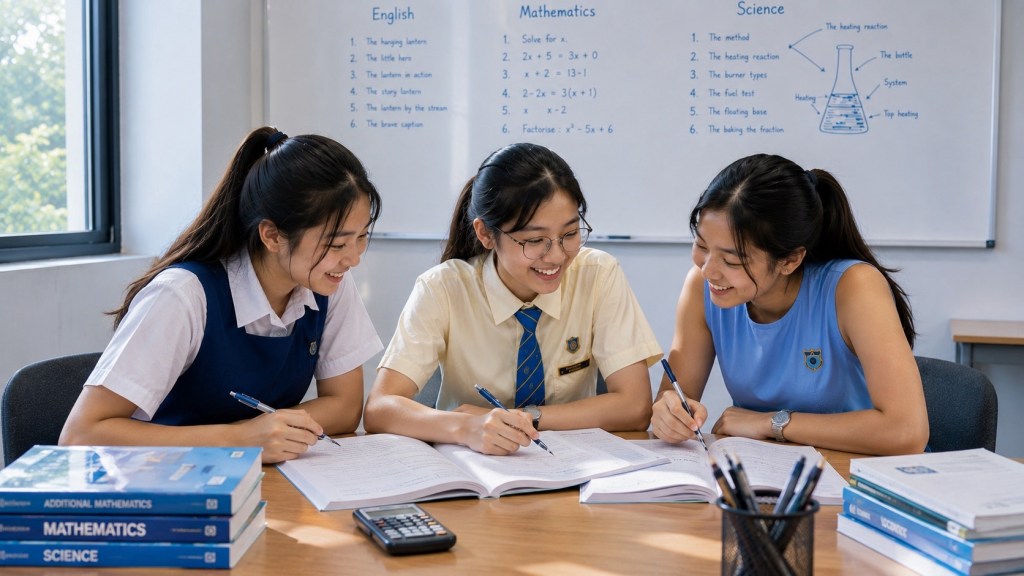
Using AI for Science study safely requires more than knowing how to type a prompt. Generative AI can explain concepts, generate practice questions, compare models, simulate tutor dialogue, help organise revision and offer feedback. It can also produce incorrect facts, invented citations, overconfident explanations, wrong calculations, unsafe experiment suggestions or polished answers that replace the student’s own thinking. The educational question is therefore not “Should students use AI?” in the abstract. It is “Which learning jobs can AI support without replacing the student’s reasoning, evidence checking and academic responsibility?”
This Advanced Science Tutorials guide is written for parents and students in Sengkang, Punggol and across Singapore who search for AI for Science study, ChatGPT for Science revision, how to use AI for homework, AI study tools, AI tutoring, how to verify AI answers, AI hallucinations, AI academic integrity and responsible AI use for students. It covers Primary readiness through PSLE and Secondary G1, G2 and G3 while keeping school rules, age-appropriateness and human judgment in control.
UNESCO’s current guidance for generative AI in education recommends a human-centred, age-appropriate and ethically validated approach, including attention to data privacy, meaningful educational use and human agency. UNESCO’s AI Competency Framework for Students likewise emphasises responsible use, critical judgment and understanding AI systems rather than passive dependence. See UNESCO: Guidance for Generative AI in Education and Research and UNESCO: AI Competency Framework for Students.
The eight rules for AI-supported Science study
- Follow your school’s AI and academic-integrity rules.
- Do the first thinking yourself when the task is meant to assess your learning.
- Do not upload private, sensitive or confidential information.
- Treat every factual answer, citation, formula and calculation as unverified until checked.
- Use AI to ask questions, compare explanations and generate practice—not to secretly replace assessed work.
- Require sources when factual claims matter, then open and verify the real sources.
- Keep your own notes, reasoning and corrections visible.
- Be able to complete a fresh version of the task without AI support.
Primary 1 and Primary 2: adults own the tool
Very young learners should not independently use general-purpose AI tools unless the product, parent and school rules explicitly make that appropriate. The educational role at this age is adult-mediated: a parent or teacher may use AI to generate age-appropriate questions, examples or simple explanations, then select and verify them before the child sees them.
The child should spend the learning time observing, drawing, talking, sorting, measuring and thinking—not navigating a chatbot.
Primary 3 and Primary 4: use AI only through clear adult and school boundaries
Primary students can benefit from AI-generated practice or alternative explanations when an adult verifies the material. The learner should attempt the Science first. If AI provides an explanation, the child should close it and explain the idea again in their own words.
Parents should not paste homework questions into AI and hand the answer to the child. That removes the very reasoning the homework is designed to build.
Primary 5 and Primary 6: AI should strengthen PSLE thinking, not bypass it
Older Primary students can use supervised AI for retrieval questions, misconception checks, vocabulary contrasts and changed-context practice if school rules allow. A useful test is whether the learner can solve a similar PSLE question without the tool afterward.
AI-generated model answers should be treated as drafts to evaluate, not authoritative marking schemes. The student’s school notes and official syllabus remain the primary assessed references.
Secondary G1, G2 and G3: build AI literacy alongside Science literacy
Lower Secondary students can use AI more strategically: compare two explanations, ask for a simpler version, generate practice data, critique a method, test formula understanding or create flashcards. They should also learn how AI fails—hallucinated references, inconsistent calculations, hidden assumptions and confident overgeneralisation.
The mature learner asks not only “What did the AI answer?” but “What evidence supports it, which parts did I verify, what does my school permit, and can I still do the work independently?”
School policy first
AI-study principle. AI use is governed by assignment, school and platform rules.
Common risk. Students assume that because a tool is available, every use is permitted.
Safer learning move. Check the teacher’s instructions before using AI on assessed work.
Question to ask. Is AI allowed for brainstorming, feedback, drafting or not at all?
Practice task. Write the permitted use at the top of the assignment.
The independence test is whether the learner can still explain, calculate, draw or solve a new version after the AI conversation is closed. If performance disappears with the tool, the interaction may have produced assisted completion rather than durable learning.
Human agency
AI-study principle. The learner should remain the person making the scientific decisions.
Common risk. Students outsource the entire reasoning process.
Safer learning move. Use AI after a first attempt or for specific support.
Question to ask. What decision am I still making myself?
Practice task. Do one unaided attempt before opening AI.
The independence test is whether the learner can still explain, calculate, draw or solve a new version after the AI conversation is closed. If performance disappears with the tool, the interaction may have produced assisted completion rather than durable learning.
Age appropriateness
AI-study principle. AI use should match the learner’s age, maturity and product rules.
Common risk. Students use adult-oriented tools without supervision.
Safer learning move. Use parent/teacher mediation where appropriate.
Question to ask. Who is responsible for checking the interaction?
Practice task. Define an adult-supervised workflow.
The independence test is whether the learner can still explain, calculate, draw or solve a new version after the AI conversation is closed. If performance disappears with the tool, the interaction may have produced assisted completion rather than durable learning.
Privacy
AI-study principle. Prompts can contain personal or school information.
Common risk. Students paste names, emails, medical details or private class material.
Safer learning move. Remove identifying and sensitive information unless an approved system explicitly permits it.
Question to ask. Does the prompt contain information you would not post publicly?
Practice task. Rewrite with generic placeholders.
The independence test is whether the learner can still explain, calculate, draw or solve a new version after the AI conversation is closed. If performance disappears with the tool, the interaction may have produced assisted completion rather than durable learning.
Confidentiality
AI-study principle. School assessments, unpublished research or proprietary material may be confidential.
Common risk. Students upload restricted files for convenience.
Safer learning move. Follow school and source permissions.
Question to ask. Do you have the right to upload this document?
Practice task. Use a non-confidential example instead.
The independence test is whether the learner can still explain, calculate, draw or solve a new version after the AI conversation is closed. If performance disappears with the tool, the interaction may have produced assisted completion rather than durable learning.
Academic integrity
AI-study principle. AI assistance can become unauthorised assistance depending on task rules.
Common risk. Students treat paraphrased AI output as automatically their own work.
Safer learning move. Disclose and cite AI use where required and keep assessed thinking your own.
Question to ask. Would the teacher consider this work evidence of your learning?
Practice task. Compare allowed and disallowed examples.
The independence test is whether the learner can still explain, calculate, draw or solve a new version after the AI conversation is closed. If performance disappears with the tool, the interaction may have produced assisted completion rather than durable learning.
First attempt
AI-study principle. An unaided first attempt reveals what the student actually knows.
Common risk. Students ask AI before trying and lose diagnostic evidence.
Safer learning move. Attempt the question, diagram or calculation first.
Question to ask. What can you do without support?
Practice task. Save the first attempt before asking AI.
The independence test is whether the learner can still explain, calculate, draw or solve a new version after the AI conversation is closed. If performance disappears with the tool, the interaction may have produced assisted completion rather than durable learning.
Hint mode
AI-study principle. AI can provide hints instead of answers.
Common risk. Students ask ‘solve this’ immediately.
Safer learning move. Prompt for one hint or next question only.
Question to ask. What is the smallest support needed?
Practice task. Use ‘Ask me one guiding question’.
The independence test is whether the learner can still explain, calculate, draw or solve a new version after the AI conversation is closed. If performance disappears with the tool, the interaction may have produced assisted completion rather than durable learning.
Socratic mode
AI-study principle. AI can ask questions that make the learner explain reasoning.
Common risk. Students passively read long explanations.
Safer learning move. Request short questions and wait to answer each.
Question to ask. Can you justify your current idea?
Practice task. Run a five-question tutor dialogue.
The independence test is whether the learner can still explain, calculate, draw or solve a new version after the AI conversation is closed. If performance disappears with the tool, the interaction may have produced assisted completion rather than durable learning.
Explain mode
AI-study principle. AI can offer alternative explanations.
Common risk. Students accept the easiest-sounding explanation as correct.
Safer learning move. Compare with textbook and teacher notes.
Question to ask. Does the explanation preserve the scientific mechanism?
Practice task. Ask for simple and technical versions, then verify.
The independence test is whether the learner can still explain, calculate, draw or solve a new version after the AI conversation is closed. If performance disappears with the tool, the interaction may have produced assisted completion rather than durable learning.
Analogy mode
AI-study principle. AI can generate analogies to clarify abstract ideas.
Common risk. Students transfer every feature of the analogy.
Safer learning move. Ask where the analogy breaks.
Question to ask. Which parts map correctly?
Practice task. Create one useful and one misleading mapping.
The independence test is whether the learner can still explain, calculate, draw or solve a new version after the AI conversation is closed. If performance disappears with the tool, the interaction may have produced assisted completion rather than durable learning.
Example mode
AI-study principle. AI can generate additional examples.
Common risk. Students assume every generated example is valid.
Safer learning move. Check each against the definition.
Question to ask. Why does this example fit?
Practice task. Classify generated examples and nonexamples.
The independence test is whether the learner can still explain, calculate, draw or solve a new version after the AI conversation is closed. If performance disappears with the tool, the interaction may have produced assisted completion rather than durable learning.
Non-example mode
AI-study principle. AI can generate tempting wrong cases for discrimination practice.
Common risk. Students use AI wrong answers without checking whether they are genuinely wrong.
Safer learning move. Verify the boundary independently.
Question to ask. What decisive feature makes it a non-example?
Practice task. Create a contrast set.
The independence test is whether the learner can still explain, calculate, draw or solve a new version after the AI conversation is closed. If performance disappears with the tool, the interaction may have produced assisted completion rather than durable learning.
Quiz mode
AI-study principle. AI can generate retrieval questions.
Common risk. Students let AI show answers immediately.
Safer learning move. Answer before seeing feedback.
Question to ask. Does the question match your syllabus?
Practice task. Generate 10 questions, delete weak ones, then self-test.
The independence test is whether the learner can still explain, calculate, draw or solve a new version after the AI conversation is closed. If performance disappears with the tool, the interaction may have produced assisted completion rather than durable learning.
Flashcard mode
AI-study principle. AI can draft flashcards from verified notes.
Common risk. Students create hundreds of low-quality cards automatically.
Safer learning move. Select high-value cards and verify every back.
Question to ask. Is one clear retrieval job present?
Practice task. Keep only 20% of generated cards.
The independence test is whether the learner can still explain, calculate, draw or solve a new version after the AI conversation is closed. If performance disappears with the tool, the interaction may have produced assisted completion rather than durable learning.
Concept-map mode
AI-study principle. AI can suggest relationships for a concept map.
Common risk. Students copy the generated map and skip thinking.
Safer learning move. Build your own first, then compare.
Question to ask. Which link did AI add that you can justify?
Practice task. Audit each proposition.
The independence test is whether the learner can still explain, calculate, draw or solve a new version after the AI conversation is closed. If performance disappears with the tool, the interaction may have produced assisted completion rather than durable learning.
Practice-data mode
AI-study principle. AI can generate fictional datasets for graphing or analysis.
Common risk. Students mistake synthetic data for real observations.
Safer learning move. Label generated data clearly as practice data.
Question to ask. Could someone confuse this with real experimental results?
Practice task. Use synthetic data only for practice.
The independence test is whether the learner can still explain, calculate, draw or solve a new version after the AI conversation is closed. If performance disappears with the tool, the interaction may have produced assisted completion rather than durable learning.
Calculation practice
AI-study principle. AI can generate numerical practice problems.
Common risk. Students trust the AI’s worked solution automatically.
Safer learning move. Solve independently and verify units and formula.
Question to ask. Does the answer pass a dimensional check?
Practice task. Check one solution manually.
The independence test is whether the learner can still explain, calculate, draw or solve a new version after the AI conversation is closed. If performance disappears with the tool, the interaction may have produced assisted completion rather than durable learning.
Formula explanation
AI-study principle. AI can explain what a formula means.
Common risk. Students memorise AI phrasing without understanding.
Safer learning move. Ask for quantity names, units and qualitative effect.
Question to ask. What happens if one variable doubles?
Practice task. Explain the formula back without AI.
The independence test is whether the learner can still explain, calculate, draw or solve a new version after the AI conversation is closed. If performance disappears with the tool, the interaction may have produced assisted completion rather than durable learning.
Graph practice
AI-study principle. AI can create or describe graph scenarios.
Common risk. Students accept generated graph interpretation without axes.
Safer learning move. Require axes, units and data definition.
Question to ask. What is actually plotted?
Practice task. Draw the graph yourself from the description.
The independence test is whether the learner can still explain, calculate, draw or solve a new version after the AI conversation is closed. If performance disappears with the tool, the interaction may have produced assisted completion rather than durable learning.
Experiment critique
AI-study principle. AI can help identify variables and limitations in a safe hypothetical method.
Common risk. Students ask it to design hazardous experiments or take safety advice as authoritative.
Safer learning move. Keep scenarios low risk and follow teacher laboratory rules.
Question to ask. Would this require specialist supervision?
Practice task. Use AI for paper-based method critique only.
The independence test is whether the learner can still explain, calculate, draw or solve a new version after the AI conversation is closed. If performance disappears with the tool, the interaction may have produced assisted completion rather than durable learning.
Lab safety boundary
AI-study principle. AI should not replace trained safety procedures or SDS/institutional guidance.
Common risk. Students use chatbot instructions to handle spills or chemicals.
Safer learning move. Follow teacher, school and authoritative safety procedures.
Question to ask. Is this an emergency or hazardous-material question?
Practice task. Stop and ask responsible staff.
The independence test is whether the learner can still explain, calculate, draw or solve a new version after the AI conversation is closed. If performance disappears with the tool, the interaction may have produced assisted completion rather than durable learning.
Health boundary
AI-study principle. AI-generated health claims require professional and authoritative verification.
Common risk. Students use Science-study chats to diagnose symptoms or choose treatment.
Safer learning move. Use trusted health sources and qualified professionals for personal health decisions.
Question to ask. Is this educational Science or personal medical advice?
Practice task. Keep study examples generic.
The independence test is whether the learner can still explain, calculate, draw or solve a new version after the AI conversation is closed. If performance disappears with the tool, the interaction may have produced assisted completion rather than durable learning.
Source request
AI-study principle. AI can be asked to name sources, but the references may be wrong or invented.
Common risk. Students copy citations without opening them.
Safer learning move. Verify title, author, publisher, DOI/URL and claim.
Question to ask. Does the source exist and say what AI claims?
Practice task. Open every important source.
The independence test is whether the learner can still explain, calculate, draw or solve a new version after the AI conversation is closed. If performance disappears with the tool, the interaction may have produced assisted completion rather than durable learning.
Citation hallucination
AI-study principle. AI may fabricate plausible journal titles or DOIs.
Common risk. Students trust formal formatting.
Safer learning move. Search the exact title/DOI independently.
Question to ask. Can the citation be found on the publisher or database?
Practice task. Reject unverifiable citations.
The independence test is whether the learner can still explain, calculate, draw or solve a new version after the AI conversation is closed. If performance disappears with the tool, the interaction may have produced assisted completion rather than durable learning.
Fact hallucination
AI-study principle. AI can confidently state false facts.
Common risk. Students use confidence and fluency as credibility cues.
Safer learning move. Check against textbook, official source or primary literature.
Question to ask. What authoritative source confirms this?
Practice task. Verify three factual claims.
The independence test is whether the learner can still explain, calculate, draw or solve a new version after the AI conversation is closed. If performance disappears with the tool, the interaction may have produced assisted completion rather than durable learning.
Calculation hallucination
AI-study principle. AI can make arithmetic, algebra or unit errors.
Common risk. Students trust step-by-step presentation.
Safer learning move. Redo independently or with calculator.
Question to ask. Do units and magnitude work?
Practice task. Find one deliberate error.
The independence test is whether the learner can still explain, calculate, draw or solve a new version after the AI conversation is closed. If performance disappears with the tool, the interaction may have produced assisted completion rather than durable learning.
Diagram hallucination
AI-study principle. AI-generated diagrams may contain wrong labels or impossible structures.
Common risk. Students assume visual polish means accuracy.
Safer learning move. Compare against trusted diagrams and conventions.
Question to ask. Does every label map correctly?
Practice task. Audit one generated diagram.
The independence test is whether the learner can still explain, calculate, draw or solve a new version after the AI conversation is closed. If performance disappears with the tool, the interaction may have produced assisted completion rather than durable learning.
Syllabus mismatch
AI-study principle. AI may teach material at the wrong level or use another curriculum’s terminology.
Common risk. Students learn advanced or irrelevant content.
Safer learning move. State level and syllabus context, then verify with school notes.
Question to ask. Is this assessed in my course?
Practice task. Remove off-syllabus details.
The independence test is whether the learner can still explain, calculate, draw or solve a new version after the AI conversation is closed. If performance disappears with the tool, the interaction may have produced assisted completion rather than durable learning.
Notation mismatch
AI-study principle. AI may use different symbols, sign conventions or formula versions.
Common risk. Students mix notation in exams.
Safer learning move. Use the school’s notation and definitions.
Question to ask. Which symbol does my course use?
Practice task. Rewrite answer using local notation.
The independence test is whether the learner can still explain, calculate, draw or solve a new version after the AI conversation is closed. If performance disappears with the tool, the interaction may have produced assisted completion rather than durable learning.
Terminology mismatch
AI-study principle. Different countries and boards use different terms.
Common risk. Students think alternative wording is always wrong or always interchangeable.
Safer learning move. Check teacher/syllabus terminology.
Question to ask. Which term will the assessment expect?
Practice task. Create equivalence note where valid.
The independence test is whether the learner can still explain, calculate, draw or solve a new version after the AI conversation is closed. If performance disappears with the tool, the interaction may have produced assisted completion rather than durable learning.
Overlong answer
AI-study principle. AI often produces more detail than a school question requires.
Common risk. Students copy long answers and lose scope.
Safer learning move. Ask for the minimum complete answer and then verify.
Question to ask. What would earn the mark?
Practice task. Cut generated answer by half.
The independence test is whether the learner can still explain, calculate, draw or solve a new version after the AI conversation is closed. If performance disappears with the tool, the interaction may have produced assisted completion rather than durable learning.
Oversimplification
AI-study principle. AI may simplify until the explanation becomes scientifically misleading.
Common risk. Students prefer the simpler answer and lose conditions.
Safer learning move. Compare simple and technical versions.
Question to ask. Which essential qualifier disappeared?
Practice task. Restore necessary detail.
The independence test is whether the learner can still explain, calculate, draw or solve a new version after the AI conversation is closed. If performance disappears with the tool, the interaction may have produced assisted completion rather than durable learning.
Overconfidence
AI-study principle. AI may present uncertain claims with strong language.
Common risk. Students equate certainty with correctness.
Safer learning move. Ask for uncertainty, assumptions and counterevidence.
Question to ask. What parts are least certain?
Practice task. Rewrite with calibrated claims.
The independence test is whether the learner can still explain, calculate, draw or solve a new version after the AI conversation is closed. If performance disappears with the tool, the interaction may have produced assisted completion rather than durable learning.
Bias
AI-study principle. AI output can reflect biases in training data, prompts or system design.
Common risk. Students assume machine output is neutral.
Safer learning move. Compare multiple sources and inspect framing.
Question to ask. Whose perspective or data may be missing?
Practice task. Ask for alternative explanations and verify them.
The independence test is whether the learner can still explain, calculate, draw or solve a new version after the AI conversation is closed. If performance disappears with the tool, the interaction may have produced assisted completion rather than durable learning.
Prompt framing
AI-study principle. Leading prompts can push AI toward confirming a desired answer.
Common risk. Students ask ‘Explain why my answer is correct’.
Safer learning move. Use neutral prompts such as ‘Evaluate this answer and identify errors’.
Question to ask. Am I asking for verification or agreement?
Practice task. Rewrite a leading prompt.
The independence test is whether the learner can still explain, calculate, draw or solve a new version after the AI conversation is closed. If performance disappears with the tool, the interaction may have produced assisted completion rather than durable learning.
Confirmation bias
AI-study principle. Students may use AI until it produces the answer they want.
Common risk. Students rerun prompts rather than reconsider evidence.
Safer learning move. Record the first answer and compare against sources.
Question to ask. What evidence would make you change your mind?
Practice task. Ask AI to argue against the claim, then verify.
The independence test is whether the learner can still explain, calculate, draw or solve a new version after the AI conversation is closed. If performance disappears with the tool, the interaction may have produced assisted completion rather than durable learning.
Multiple-model comparison
AI-study principle. Different AI systems can disagree.
Common risk. Students treat majority vote among chatbots as truth.
Safer learning move. Return to primary evidence rather than model voting.
Question to ask. Which source can resolve the disagreement?
Practice task. Compare outputs then verify externally.
The independence test is whether the learner can still explain, calculate, draw or solve a new version after the AI conversation is closed. If performance disappears with the tool, the interaction may have produced assisted completion rather than durable learning.
Verification chain
AI-study principle. Important claims should be checked through real sources.
Common risk. Students ask AI to verify its own output.
Safer learning move. Use textbook → official source → primary/review evidence depending on task.
Question to ask. What is the strongest independent check?
Practice task. Build a three-step verification chain.
The independence test is whether the learner can still explain, calculate, draw or solve a new version after the AI conversation is closed. If performance disappears with the tool, the interaction may have produced assisted completion rather than durable learning.
Textbook check
AI-study principle. The current school textbook or notes are often the first assessed-content reference.
Common risk. Students replace local materials with generic AI explanation.
Safer learning move. Compare definitions, formulae and examples.
Question to ask. Does AI match the school model?
Practice task. Annotate differences.
The independence test is whether the learner can still explain, calculate, draw or solve a new version after the AI conversation is closed. If performance disappears with the tool, the interaction may have produced assisted completion rather than durable learning.
Official-source check
AI-study principle. Government, professional society or university resources can verify established facts.
Common risk. Students use random blogs to check AI.
Safer learning move. Choose source suited to claim.
Question to ask. Who is authoritative for this topic?
Practice task. Verify one claim with official source.
The independence test is whether the learner can still explain, calculate, draw or solve a new version after the AI conversation is closed. If performance disappears with the tool, the interaction may have produced assisted completion rather than durable learning.
Primary-source check
AI-study principle. Research claims may require original papers or datasets.
Common risk. Students cite AI summaries of research.
Safer learning move. Open the study and inspect methods/results.
Question to ask. Did the study actually measure this?
Practice task. Trace claim to primary evidence.
The independence test is whether the learner can still explain, calculate, draw or solve a new version after the AI conversation is closed. If performance disappears with the tool, the interaction may have produced assisted completion rather than durable learning.
Review-source check
AI-study principle. Complex topics benefit from systematic or authoritative review.
Common risk. Students over-weight one study.
Safer learning move. Use reviews to place findings in context.
Question to ask. Is one paper representative of the field?
Practice task. Compare with a review.
The independence test is whether the learner can still explain, calculate, draw or solve a new version after the AI conversation is closed. If performance disappears with the tool, the interaction may have produced assisted completion rather than durable learning.
Date check
AI-study principle. AI may provide outdated information on changing topics.
Common risk. Students assume generated answers are current.
Safer learning move. Check publication/update date for laws, technology, medicine and current Science.
Question to ask. Could this have changed recently?
Practice task. Use up-to-date sources.
The independence test is whether the learner can still explain, calculate, draw or solve a new version after the AI conversation is closed. If performance disappears with the tool, the interaction may have produced assisted completion rather than durable learning.
Tool knowledge limit
AI-study principle. AI tools can have knowledge, browsing or context limitations.
Common risk. Students assume the system can access everything.
Safer learning move. Ask what sources it used and verify capabilities.
Question to ask. Did the tool actually retrieve the source or generate from memory?
Practice task. Check provided links.
The independence test is whether the learner can still explain, calculate, draw or solve a new version after the AI conversation is closed. If performance disappears with the tool, the interaction may have produced assisted completion rather than durable learning.
Search assistance
AI-study principle. AI can help create search terms.
Common risk. Students let AI choose the evidence itself.
Safer learning move. Use AI for keywords, then search databases or official sites independently.
Question to ask. Which terms broaden or narrow the search?
Practice task. Create a Boolean query.
The independence test is whether the learner can still explain, calculate, draw or solve a new version after the AI conversation is closed. If performance disappears with the tool, the interaction may have produced assisted completion rather than durable learning.
Research outline
AI-study principle. AI can suggest an outline after the student defines the question.
Common risk. Students accept generic section order without evidence needs.
Safer learning move. Map each section to the research question and sources.
Question to ask. What claim will each section support?
Practice task. Edit the outline.
The independence test is whether the learner can still explain, calculate, draw or solve a new version after the AI conversation is closed. If performance disappears with the tool, the interaction may have produced assisted completion rather than durable learning.
Research synthesis
AI-study principle. AI can help compare notes if the user supplies verified source summaries.
Common risk. Students upload copyrighted or confidential texts indiscriminately or let AI invent synthesis.
Safer learning move. Use permitted material and check every synthesis claim.
Question to ask. Can every sentence be traced to a real source?
Practice task. Audit synthesis.
The independence test is whether the learner can still explain, calculate, draw or solve a new version after the AI conversation is closed. If performance disappears with the tool, the interaction may have produced assisted completion rather than durable learning.
Paraphrase assistance
AI-study principle. AI can offer alternative wording but may change meaning or create plagiarism concerns.
Common risk. Students submit AI paraphrases without understanding source.
Safer learning move. Write own paraphrase first and follow school policy.
Question to ask. Does the wording preserve the source accurately?
Practice task. Compare and cite.
The independence test is whether the learner can still explain, calculate, draw or solve a new version after the AI conversation is closed. If performance disappears with the tool, the interaction may have produced assisted completion rather than durable learning.
Lab-report feedback
AI-study principle. AI can critique structure or clarity if allowed.
Common risk. Students let AI write results/discussion from raw data.
Safer learning move. Keep interpretation and writing ownership with the student.
Question to ask. Can you defend every conclusion?
Practice task. Ask for questions, not replacement prose.
The independence test is whether the learner can still explain, calculate, draw or solve a new version after the AI conversation is closed. If performance disappears with the tool, the interaction may have produced assisted completion rather than durable learning.
Presentation rehearsal
AI-study principle. AI can generate judge questions for a Science presentation.
Common risk. Students memorise generated answers.
Safer learning move. Answer questions orally from project evidence.
Question to ask. Which question exposes a weak method?
Practice task. Use 10 mock questions.
The independence test is whether the learner can still explain, calculate, draw or solve a new version after the AI conversation is closed. If performance disappears with the tool, the interaction may have produced assisted completion rather than durable learning.
Error-log support
AI-study principle. AI can help classify a mistake after the student identifies original reasoning.
Common risk. Students ask AI to correct everything before diagnosing.
Safer learning move. Provide first attempt and ask for the first wrong decision.
Question to ask. What category fits the error?
Practice task. Add retest cue.
The independence test is whether the learner can still explain, calculate, draw or solve a new version after the AI conversation is closed. If performance disappears with the tool, the interaction may have produced assisted completion rather than durable learning.
Misconception check
AI-study principle. AI can present common misconceptions for critique.
Common risk. Students may accidentally learn an incorrect claim if answer is not verified.
Safer learning move. Use trusted sources to verify corrections.
Question to ask. What evidence refutes the misconception?
Practice task. Create misconception cards.
The independence test is whether the learner can still explain, calculate, draw or solve a new version after the AI conversation is closed. If performance disappears with the tool, the interaction may have produced assisted completion rather than durable learning.
Socratic tutoring
AI-study principle. AI can ask guiding questions one at a time.
Common risk. Students may still let it answer after one pause.
Safer learning move. Instruct tool not to reveal answer until student has attempted each step.
Question to ask. What do you think happens next?
Practice task. Use one-question-at-a-time mode.
The independence test is whether the learner can still explain, calculate, draw or solve a new version after the AI conversation is closed. If performance disappears with the tool, the interaction may have produced assisted completion rather than durable learning.
Faded support
AI-study principle. AI support should decrease as competence grows.
Common risk. Students use the same level of help forever.
Safer learning move. Move from explanation → hint → check-only → independent attempt.
Question to ask. What can you now do without AI?
Practice task. Reduce prompt support weekly.
The independence test is whether the learner can still explain, calculate, draw or solve a new version after the AI conversation is closed. If performance disappears with the tool, the interaction may have produced assisted completion rather than durable learning.
Independent retest
AI-study principle. Every AI-assisted learning session should end with an unaided task.
Common risk. Students close the chat feeling they understand.
Safer learning move. Use a new question without tool access.
Question to ask. Can you reproduce the reasoning alone?
Practice task. Schedule delayed retest.
The independence test is whether the learner can still explain, calculate, draw or solve a new version after the AI conversation is closed. If performance disappears with the tool, the interaction may have produced assisted completion rather than durable learning.
Memory retrieval
AI-study principle. AI should not always provide the information first.
Common risk. Students use it as a searchable external memory.
Safer learning move. Ask it to quiz you before explaining.
Question to ask. What can you retrieve before help?
Practice task. Use active recall mode.
The independence test is whether the learner can still explain, calculate, draw or solve a new version after the AI conversation is closed. If performance disappears with the tool, the interaction may have produced assisted completion rather than durable learning.
Spaced review
AI-study principle. AI can schedule or generate spaced questions, but learner still needs actual retrieval.
Common risk. Students ask for revision plans without executing them.
Safer learning move. Use calendar/reminders separately and perform the retrieval.
Question to ask. Did you answer without notes?
Practice task. Track successful recalls.
The independence test is whether the learner can still explain, calculate, draw or solve a new version after the AI conversation is closed. If performance disappears with the tool, the interaction may have produced assisted completion rather than durable learning.
Interleaving
AI-study principle. AI can mix topics to force concept selection.
Common risk. Students practise one topic until cueing becomes easy.
Safer learning move. Request mixed questions with labels hidden.
Question to ask. Which concept applies now?
Practice task. Generate mixed set and verify answers.
The independence test is whether the learner can still explain, calculate, draw or solve a new version after the AI conversation is closed. If performance disappears with the tool, the interaction may have produced assisted completion rather than durable learning.
Difficulty calibration
AI-study principle. AI can vary question difficulty.
Common risk. Students ask only for easy questions that feel good.
Safer learning move. Use a progression from recall to application to transfer.
Question to ask. What makes the next question harder?
Practice task. Request one-step difficulty increases.
The independence test is whether the learner can still explain, calculate, draw or solve a new version after the AI conversation is closed. If performance disappears with the tool, the interaction may have produced assisted completion rather than durable learning.
Marking caution
AI-study principle. AI-generated marking may not match local exam mark schemes.
Common risk. Students treat AI score as official.
Safer learning move. Use teacher, official marking scheme or school feedback for high-stakes calibration.
Question to ask. What standard is the AI using?
Practice task. Compare AI feedback with official mark scheme.
The independence test is whether the learner can still explain, calculate, draw or solve a new version after the AI conversation is closed. If performance disappears with the tool, the interaction may have produced assisted completion rather than durable learning.
Model-answer caution
AI-study principle. AI model answers can be overlong or use off-syllabus concepts.
Common risk. Students memorise them.
Safer learning move. Extract only verified relationships relevant to course.
Question to ask. Would this wording earn marks locally?
Practice task. Rewrite using school terminology.
The independence test is whether the learner can still explain, calculate, draw or solve a new version after the AI conversation is closed. If performance disappears with the tool, the interaction may have produced assisted completion rather than durable learning.
Exam-condition boundary
AI-study principle. AI should not be used during closed assessments unless explicitly permitted.
Common risk. Students blur revision use with assessment assistance.
Safer learning move. Follow assessment rules strictly.
Question to ask. Is this practice or live assessment?
Practice task. Put tool away for independent mocks.
The independence test is whether the learner can still explain, calculate, draw or solve a new version after the AI conversation is closed. If performance disappears with the tool, the interaction may have produced assisted completion rather than durable learning.
Homework boundary
AI-study principle. Homework may be designed to reveal the student’s current ability.
Common risk. Students submit AI-assisted answers that hide gaps.
Safer learning move. Attempt independently and disclose allowed assistance.
Question to ask. Would the teacher still see what you can do?
Practice task. Preserve first attempt.
The independence test is whether the learner can still explain, calculate, draw or solve a new version after the AI conversation is closed. If performance disappears with the tool, the interaction may have produced assisted completion rather than durable learning.
Project boundary
AI-study principle. AI can assist brainstorming but should not fabricate experiments or data.
Common risk. Students generate fictional results to complete projects.
Safer learning move. Only report observations actually collected or authorised datasets actually used.
Question to ask. Where did this data come from?
Practice task. Keep raw data provenance.
The independence test is whether the learner can still explain, calculate, draw or solve a new version after the AI conversation is closed. If performance disappears with the tool, the interaction may have produced assisted completion rather than durable learning.
Data fabrication
AI-study principle. Generated numbers are not experimental evidence unless clearly labelled synthetic practice data.
Common risk. Students mix generated and measured values.
Safer learning move. Separate synthetic practice from real project data.
Question to ask. Can every result be traced to collection?
Practice task. Audit data source.
The independence test is whether the learner can still explain, calculate, draw or solve a new version after the AI conversation is closed. If performance disappears with the tool, the interaction may have produced assisted completion rather than durable learning.
Image generation
AI-study principle. Generated scientific images may look plausible but contain structural errors.
Common risk. Students use them as factual diagrams.
Safer learning move. Use verified diagrams for assessed content and label generated illustrations appropriately.
Question to ask. Is this evidence or illustration?
Practice task. Check every feature.
The independence test is whether the learner can still explain, calculate, draw or solve a new version after the AI conversation is closed. If performance disappears with the tool, the interaction may have produced assisted completion rather than durable learning.
Copyright and source use
AI-study principle. AI does not remove obligations to respect source licences and attribution.
Common risk. Students assume generated transformations are automatically free of restrictions.
Safer learning move. Follow school and source rules for images, text and data.
Question to ask. Do you have permission to use this material?
Practice task. Prefer original or openly licensed visuals.
The independence test is whether the learner can still explain, calculate, draw or solve a new version after the AI conversation is closed. If performance disappears with the tool, the interaction may have produced assisted completion rather than durable learning.
Personal data
AI-study principle. Student names, school IDs, medical details and private conversations should be protected.
Common risk. Students paste sensitive context for personalised advice.
Safer learning move. Use minimal generic context.
Question to ask. What can be removed without hurting the learning task?
Practice task. Anonymise the prompt.
The independence test is whether the learner can still explain, calculate, draw or solve a new version after the AI conversation is closed. If performance disappears with the tool, the interaction may have produced assisted completion rather than durable learning.
Location data
AI-study principle. Precise personal location is rarely necessary for Science study prompts.
Common risk. Students share addresses or detailed whereabouts unnecessarily.
Safer learning move. Use general geographic context only where needed.
Question to ask. Does this task require precise location?
Practice task. Remove it.
The independence test is whether the learner can still explain, calculate, draw or solve a new version after the AI conversation is closed. If performance disappears with the tool, the interaction may have produced assisted completion rather than durable learning.
Account security
AI-study principle. Students should protect passwords and access credentials.
Common risk. Students paste keys, login details or tokens into prompts.
Safer learning move. Never share credentials.
Question to ask. Is any secret included?
Practice task. Delete and rotate compromised credentials with adult/school help.
The independence test is whether the learner can still explain, calculate, draw or solve a new version after the AI conversation is closed. If performance disappears with the tool, the interaction may have produced assisted completion rather than durable learning.
Emotion and dependency
AI-study principle. Students can become dependent on instant AI reassurance.
Common risk. Students ask the tool to confirm every small decision.
Safer learning move. Build tolerance for productive struggle and delayed feedback.
Question to ask. Can you work for 10 minutes before checking?
Practice task. Use a no-AI first block.
The independence test is whether the learner can still explain, calculate, draw or solve a new version after the AI conversation is closed. If performance disappears with the tool, the interaction may have produced assisted completion rather than durable learning.
Productive struggle
AI-study principle. Some difficulty is necessary for learning.
Common risk. Students remove every challenge with immediate hints.
Safer learning move. Delay help and use the smallest hint.
Question to ask. What have you tried already?
Practice task. Set a 5–10 minute attempt rule.
The independence test is whether the learner can still explain, calculate, draw or solve a new version after the AI conversation is closed. If performance disappears with the tool, the interaction may have produced assisted completion rather than durable learning.
Metacognition
AI-study principle. AI can prompt reflection about strategy.
Common risk. Students use it only for answers.
Safer learning move. Ask it to question your reasoning process.
Question to ask. What was your first wrong decision?
Practice task. Run a reflection dialogue.
The independence test is whether the learner can still explain, calculate, draw or solve a new version after the AI conversation is closed. If performance disappears with the tool, the interaction may have produced assisted completion rather than durable learning.
Parent role
AI-study principle. Parents can define boundaries, privacy and verification routines.
Common risk. Parents may either ban all AI or outsource tutoring to it.
Safer learning move. Set clear allowed uses and require independent retests.
Question to ask. Can the child explain what AI helped with?
Practice task. Review one session together.
The independence test is whether the learner can still explain, calculate, draw or solve a new version after the AI conversation is closed. If performance disappears with the tool, the interaction may have produced assisted completion rather than durable learning.
Tutor role
AI-study principle. Tutors can teach AI literacy by modelling verification and prompt restraint.
Common risk. Tutors may use AI-generated worksheets without checking them.
Safer learning move. Verify every generated item and tie it to a learning objective.
Question to ask. What error could this generated material contain?
Practice task. Audit before use.
The independence test is whether the learner can still explain, calculate, draw or solve a new version after the AI conversation is closed. If performance disappears with the tool, the interaction may have produced assisted completion rather than durable learning.
Teacher rule precedence
AI-study principle. Teacher assignment instructions override generic AI advice.
Common risk. Students argue that online guidance allows what the teacher prohibited.
Safer learning move. Follow the local rule.
Question to ask. What did the assignment state?
Practice task. Record rule before work.
The independence test is whether the learner can still explain, calculate, draw or solve a new version after the AI conversation is closed. If performance disappears with the tool, the interaction may have produced assisted completion rather than durable learning.
Citation of AI
AI-study principle. Some schools require disclosure or citation of AI use; conventions vary.
Common risk. Students invent a citation style or hide use.
Safer learning move. Follow the teacher’s specified method.
Question to ask. How must assistance be acknowledged?
Practice task. Use required disclosure.
The independence test is whether the learner can still explain, calculate, draw or solve a new version after the AI conversation is closed. If performance disappears with the tool, the interaction may have produced assisted completion rather than durable learning.
AI-free practice
AI-study principle. Students need regular practice without AI to know their independent level.
Common risk. Students only work with tool available.
Safer learning move. Schedule closed-book, no-AI retrieval and mock papers.
Question to ask. Can you perform under assessment conditions?
Practice task. Use one AI-free session weekly.
The independence test is whether the learner can still explain, calculate, draw or solve a new version after the AI conversation is closed. If performance disappears with the tool, the interaction may have produced assisted completion rather than durable learning.
AI-use log
AI-study principle. A simple log can make support transparent.
Common risk. Students forget how much help they used.
Safer learning move. Record task, prompt purpose, output used, verification and retest.
Question to ask. What did AI actually contribute?
Practice task. Keep one-line records.
The independence test is whether the learner can still explain, calculate, draw or solve a new version after the AI conversation is closed. If performance disappears with the tool, the interaction may have produced assisted completion rather than durable learning.
Prompt quality
AI-study principle. Clear prompts improve usefulness but do not guarantee truth.
Common risk. Students equate better prompt with correct answer.
Safer learning move. Specify level, task and constraints, then verify output.
Question to ask. What information does the AI need?
Practice task. Write a concise prompt.
The independence test is whether the learner can still explain, calculate, draw or solve a new version after the AI conversation is closed. If performance disappears with the tool, the interaction may have produced assisted completion rather than durable learning.
Role prompts
AI-study principle. Asking AI to act as tutor can shape style but not expertise.
Common risk. Students believe role labels create real credentials.
Safer learning move. Use role prompts for interaction format only.
Question to ask. What evidence verifies content?
Practice task. Ask for Socratic tutor mode, then check facts.
The independence test is whether the learner can still explain, calculate, draw or solve a new version after the AI conversation is closed. If performance disappears with the tool, the interaction may have produced assisted completion rather than durable learning.
Chain prompts
AI-study principle. Breaking a complex task into stages can improve clarity.
Common risk. Students ask one giant prompt and accept the final answer.
Safer learning move. Separate question interpretation, concept selection, attempt and feedback.
Question to ask. Which stage should the student own?
Practice task. Use staged prompts.
The independence test is whether the learner can still explain, calculate, draw or solve a new version after the AI conversation is closed. If performance disappears with the tool, the interaction may have produced assisted completion rather than durable learning.
Ask for assumptions
AI-study principle. AI can list assumptions in an explanation or model.
Common risk. Students miss hidden assumptions.
Safer learning move. Prompt ‘What assumptions are you making?’ and verify them.
Question to ask. Which assumption changes the conclusion most?
Practice task. Test one assumption.
The independence test is whether the learner can still explain, calculate, draw or solve a new version after the AI conversation is closed. If performance disappears with the tool, the interaction may have produced assisted completion rather than durable learning.
Ask for uncertainty
AI-study principle. AI can identify where an answer is uncertain if prompted, though it may still misjudge.
Common risk. Students interpret any caveat as complete reliability.
Safer learning move. Use uncertainty as a cue for external verification.
Question to ask. What claim needs strongest checking?
Practice task. Mark high-risk claims.
The independence test is whether the learner can still explain, calculate, draw or solve a new version after the AI conversation is closed. If performance disappears with the tool, the interaction may have produced assisted completion rather than durable learning.
Ask for counterexample
AI-study principle. AI can generate counterexamples to test a rule.
Common risk. Students accept the first rule formulation.
Safer learning move. Use counterexamples to refine scope.
Question to ask. Does the example really violate the rule?
Practice task. Verify and revise.
The independence test is whether the learner can still explain, calculate, draw or solve a new version after the AI conversation is closed. If performance disappears with the tool, the interaction may have produced assisted completion rather than durable learning.
Ask for alternative explanation
AI-study principle. AI can propose competing mechanisms.
Common risk. Students use alternatives as if equally supported.
Safer learning move. Compare each with evidence.
Question to ask. Which prediction distinguishes them?
Practice task. Design a discriminating question.
The independence test is whether the learner can still explain, calculate, draw or solve a new version after the AI conversation is closed. If performance disappears with the tool, the interaction may have produced assisted completion rather than durable learning.
Ask for error analysis
AI-study principle. AI can analyse a student’s reasoning if given the first attempt.
Common risk. Students provide only final wrong answer.
Safer learning move. Include working and ask for first wrong decision.
Question to ask. What changed first?
Practice task. Write correction rule yourself.
The independence test is whether the learner can still explain, calculate, draw or solve a new version after the AI conversation is closed. If performance disappears with the tool, the interaction may have produced assisted completion rather than durable learning.
Ask for practice variation
AI-study principle. AI can alter surface features of a known question.
Common risk. Students redo identical questions and memorise answers.
Safer learning move. Request same deep structure with different context.
Question to ask. What remains invariant?
Practice task. Solve without assistance.
The independence test is whether the learner can still explain, calculate, draw or solve a new version after the AI conversation is closed. If performance disappears with the tool, the interaction may have produced assisted completion rather than durable learning.
Ask for oral quiz
AI-study principle. Voice or chat can deliver quick retrieval prompts.
Common risk. Students let the AI elaborate after every correct answer.
Safer learning move. Keep feedback brief and move on.
Question to ask. Can you answer in one sentence?
Practice task. Run 10-question rapid retrieval.
The independence test is whether the learner can still explain, calculate, draw or solve a new version after the AI conversation is closed. If performance disappears with the tool, the interaction may have produced assisted completion rather than durable learning.
AI finish rule
AI-study principle. AI support should stop when the learner can complete the task independently.
Common risk. Students keep chatting after competence is demonstrated.
Safer learning move. Close the tool and retest later.
Question to ask. Can you do a fresh version alone?
Practice task. End every session with independent proof.
The independence test is whether the learner can still explain, calculate, draw or solve a new version after the AI conversation is closed. If performance disappears with the tool, the interaction may have produced assisted completion rather than durable learning.
A safe AI-for-Science workflow
- Read the assignment and school AI rule.
- Attempt the task independently.
- Identify one specific gap.
- Ask AI for a hint, question, alternative explanation or practice item—not automatic completion.
- Verify scientific claims against trusted sources.
- Correct the output where needed.
- Write or solve using your own reasoning.
- Record AI assistance if required.
- Close AI and complete a fresh retest.
- Return later without AI to confirm retention.
A parent checklist
- Is the child old enough and permitted to use this tool?
- Does the school allow AI for this task?
- Has personal information been removed?
- Did the child attempt first?
- Can the child explain what AI changed?
- Were important claims verified?
- Can the child solve a new question without AI?
A tutor checklist
- Is generated material aligned to the current syllabus?
- Have every factual answer, unit and citation been verified?
- Does the prompt preserve student thinking?
- Is the student producing an answer before feedback?
- Is support being faded?
- Is there an independent retest?
- Would the student be able to perform under exam conditions?
A twelve-week AI-literacy programme for Science
- Week 1: school rules, privacy and first-attempt discipline.
- Week 2: hallucinations and verification.
- Week 3: prompts for hints and Socratic tutoring.
- Week 4: retrieval questions and flashcards.
- Week 5: explanations and misconception checks.
- Week 6: calculations and unit verification.
- Week 7: diagrams, graphs and generated-data caution.
- Week 8: research, source verification and citations.
- Week 9: lab reports and academic integrity.
- Week 10: presentations and Q&A rehearsal.
- Week 11: fading support and AI-free practice.
- Week 12: independent transfer and AI-use audit.
Frequently asked questions
Can AI help me study Science?
Yes. It can generate questions, explain concepts, offer hints, compare models and support feedback, but important facts, sources and calculations should be verified and school rules must be followed.
Can I use AI to do my Science homework?
Only within the teacher’s rules. A safe learning approach is to attempt first, use AI for limited support and then complete a fresh version independently.
Can AI give wrong Science answers?
Yes. Generative AI can produce factual, calculation, citation and diagram errors while sounding confident.
How do I verify an AI Science answer?
Check your textbook or school notes first, then use authoritative or primary scientific sources as needed. Recalculate quantitative answers independently.
Can I cite sources suggested by AI?
Only after locating and verifying the real source. AI can invent realistic-looking citations.
Should parents let Primary students use AI alone?
Use age-appropriate product and school rules. For younger children, adult-mediated use is safer and keeps the learning focused on the child rather than the tool.
Will using AI make me worse at Science?
It can if it consistently replaces retrieval and problem solving. Used with first attempts, hints, verification and independent retests, it can support learning instead of replacing it.
Further reading
- UNESCO: Guidance for Generative AI in Education and Research
- UNESCO: AI Competency Framework for Students
- ERIC: AI in the Hands of Students
- U.S. Department of Education: Toolkit for Safe, Ethical and Equitable AI Integration
Final operating rule
Use AI to increase the amount of thinking you can do, not to reduce the amount of thinking you have to do. Attempt first. Ask for the smallest useful support. Verify facts and sources. Protect privacy. Follow school rules. Keep your own reasoning visible. Then close the tool and prove the learning independently. The safest and most educational AI workflow ends with a student who needs the AI less, not more.
School policy first — AI-study clinic 1
Start with a real Science study task involving school policy first. Before opening AI, make a first attempt and write what help is actually needed. This prevents the tool from defining the task or replacing diagnostic evidence.
Surface the common risk: Students assume that because a tool is available, every use is permitted.. Ask what learning, privacy, accuracy or integrity problem could result. Then apply the safer move: Check the teacher’s instructions before using AI on assessed work. Keep the student’s own reasoning separate from generated assistance.
Now ask: Is AI allowed for brainstorming, feedback, drafting or not at all? Run the practice task: Write the permitted use at the top of the assignment. Verify important factual content through the textbook, teacher material or authoritative source instead of asking the same AI to validate itself.
Finish by closing the tool and completing a fresh version independently. Parents can review boundaries; tutors can fade support. AI-assisted study is successful when independent performance improves and the student can explain what was verified and what remained their own work.
Human agency — AI-study clinic 1
Start with a real Science study task involving human agency. Before opening AI, make a first attempt and write what help is actually needed. This prevents the tool from defining the task or replacing diagnostic evidence.
Surface the common risk: Students outsource the entire reasoning process.. Ask what learning, privacy, accuracy or integrity problem could result. Then apply the safer move: Use AI after a first attempt or for specific support. Keep the student’s own reasoning separate from generated assistance.
Now ask: What decision am I still making myself? Run the practice task: Do one unaided attempt before opening AI. Verify important factual content through the textbook, teacher material or authoritative source instead of asking the same AI to validate itself.
Finish by closing the tool and completing a fresh version independently. Parents can review boundaries; tutors can fade support. AI-assisted study is successful when independent performance improves and the student can explain what was verified and what remained their own work.
Age appropriateness — AI-study clinic 1
Start with a real Science study task involving age appropriateness. Before opening AI, make a first attempt and write what help is actually needed. This prevents the tool from defining the task or replacing diagnostic evidence.
Surface the common risk: Students use adult-oriented tools without supervision.. Ask what learning, privacy, accuracy or integrity problem could result. Then apply the safer move: Use parent/teacher mediation where appropriate. Keep the student’s own reasoning separate from generated assistance.
Now ask: Who is responsible for checking the interaction? Run the practice task: Define an adult-supervised workflow. Verify important factual content through the textbook, teacher material or authoritative source instead of asking the same AI to validate itself.
Finish by closing the tool and completing a fresh version independently. Parents can review boundaries; tutors can fade support. AI-assisted study is successful when independent performance improves and the student can explain what was verified and what remained their own work.
Privacy — AI-study clinic 1
Start with a real Science study task involving privacy. Before opening AI, make a first attempt and write what help is actually needed. This prevents the tool from defining the task or replacing diagnostic evidence.
Surface the common risk: Students paste names, emails, medical details or private class material.. Ask what learning, privacy, accuracy or integrity problem could result. Then apply the safer move: Remove identifying and sensitive information unless an approved system explicitly permits it. Keep the student’s own reasoning separate from generated assistance.
Now ask: Does the prompt contain information you would not post publicly? Run the practice task: Rewrite with generic placeholders. Verify important factual content through the textbook, teacher material or authoritative source instead of asking the same AI to validate itself.
Finish by closing the tool and completing a fresh version independently. Parents can review boundaries; tutors can fade support. AI-assisted study is successful when independent performance improves and the student can explain what was verified and what remained their own work.
Confidentiality — AI-study clinic 1
Start with a real Science study task involving confidentiality. Before opening AI, make a first attempt and write what help is actually needed. This prevents the tool from defining the task or replacing diagnostic evidence.
Surface the common risk: Students upload restricted files for convenience.. Ask what learning, privacy, accuracy or integrity problem could result. Then apply the safer move: Follow school and source permissions. Keep the student’s own reasoning separate from generated assistance.
Now ask: Do you have the right to upload this document? Run the practice task: Use a non-confidential example instead. Verify important factual content through the textbook, teacher material or authoritative source instead of asking the same AI to validate itself.
Finish by closing the tool and completing a fresh version independently. Parents can review boundaries; tutors can fade support. AI-assisted study is successful when independent performance improves and the student can explain what was verified and what remained their own work.
Academic integrity — AI-study clinic 1
Start with a real Science study task involving academic integrity. Before opening AI, make a first attempt and write what help is actually needed. This prevents the tool from defining the task or replacing diagnostic evidence.
Surface the common risk: Students treat paraphrased AI output as automatically their own work.. Ask what learning, privacy, accuracy or integrity problem could result. Then apply the safer move: Disclose and cite AI use where required and keep assessed thinking your own. Keep the student’s own reasoning separate from generated assistance.
Now ask: Would the teacher consider this work evidence of your learning? Run the practice task: Compare allowed and disallowed examples. Verify important factual content through the textbook, teacher material or authoritative source instead of asking the same AI to validate itself.
Finish by closing the tool and completing a fresh version independently. Parents can review boundaries; tutors can fade support. AI-assisted study is successful when independent performance improves and the student can explain what was verified and what remained their own work.
First attempt — AI-study clinic 1
Start with a real Science study task involving first attempt. Before opening AI, make a first attempt and write what help is actually needed. This prevents the tool from defining the task or replacing diagnostic evidence.
Surface the common risk: Students ask AI before trying and lose diagnostic evidence.. Ask what learning, privacy, accuracy or integrity problem could result. Then apply the safer move: Attempt the question, diagram or calculation first. Keep the student’s own reasoning separate from generated assistance.
Now ask: What can you do without support? Run the practice task: Save the first attempt before asking AI. Verify important factual content through the textbook, teacher material or authoritative source instead of asking the same AI to validate itself.
Finish by closing the tool and completing a fresh version independently. Parents can review boundaries; tutors can fade support. AI-assisted study is successful when independent performance improves and the student can explain what was verified and what remained their own work.
Hint mode — AI-study clinic 1
Start with a real Science study task involving hint mode. Before opening AI, make a first attempt and write what help is actually needed. This prevents the tool from defining the task or replacing diagnostic evidence.
Surface the common risk: Students ask ‘solve this’ immediately.. Ask what learning, privacy, accuracy or integrity problem could result. Then apply the safer move: Prompt for one hint or next question only. Keep the student’s own reasoning separate from generated assistance.
Now ask: What is the smallest support needed? Run the practice task: Use ‘Ask me one guiding question’. Verify important factual content through the textbook, teacher material or authoritative source instead of asking the same AI to validate itself.
Finish by closing the tool and completing a fresh version independently. Parents can review boundaries; tutors can fade support. AI-assisted study is successful when independent performance improves and the student can explain what was verified and what remained their own work.
Socratic mode — AI-study clinic 1
Start with a real Science study task involving socratic mode. Before opening AI, make a first attempt and write what help is actually needed. This prevents the tool from defining the task or replacing diagnostic evidence.
Surface the common risk: Students passively read long explanations.. Ask what learning, privacy, accuracy or integrity problem could result. Then apply the safer move: Request short questions and wait to answer each. Keep the student’s own reasoning separate from generated assistance.
Now ask: Can you justify your current idea? Run the practice task: Run a five-question tutor dialogue. Verify important factual content through the textbook, teacher material or authoritative source instead of asking the same AI to validate itself.
Finish by closing the tool and completing a fresh version independently. Parents can review boundaries; tutors can fade support. AI-assisted study is successful when independent performance improves and the student can explain what was verified and what remained their own work.
Explain mode — AI-study clinic 1
Start with a real Science study task involving explain mode. Before opening AI, make a first attempt and write what help is actually needed. This prevents the tool from defining the task or replacing diagnostic evidence.
Surface the common risk: Students accept the easiest-sounding explanation as correct.. Ask what learning, privacy, accuracy or integrity problem could result. Then apply the safer move: Compare with textbook and teacher notes. Keep the student’s own reasoning separate from generated assistance.
Now ask: Does the explanation preserve the scientific mechanism? Run the practice task: Ask for simple and technical versions, then verify. Verify important factual content through the textbook, teacher material or authoritative source instead of asking the same AI to validate itself.
Finish by closing the tool and completing a fresh version independently. Parents can review boundaries; tutors can fade support. AI-assisted study is successful when independent performance improves and the student can explain what was verified and what remained their own work.
Analogy mode — AI-study clinic 1
Start with a real Science study task involving analogy mode. Before opening AI, make a first attempt and write what help is actually needed. This prevents the tool from defining the task or replacing diagnostic evidence.
Surface the common risk: Students transfer every feature of the analogy.. Ask what learning, privacy, accuracy or integrity problem could result. Then apply the safer move: Ask where the analogy breaks. Keep the student’s own reasoning separate from generated assistance.
Now ask: Which parts map correctly? Run the practice task: Create one useful and one misleading mapping. Verify important factual content through the textbook, teacher material or authoritative source instead of asking the same AI to validate itself.
Finish by closing the tool and completing a fresh version independently. Parents can review boundaries; tutors can fade support. AI-assisted study is successful when independent performance improves and the student can explain what was verified and what remained their own work.
Example mode — AI-study clinic 1
Start with a real Science study task involving example mode. Before opening AI, make a first attempt and write what help is actually needed. This prevents the tool from defining the task or replacing diagnostic evidence.
Surface the common risk: Students assume every generated example is valid.. Ask what learning, privacy, accuracy or integrity problem could result. Then apply the safer move: Check each against the definition. Keep the student’s own reasoning separate from generated assistance.
Now ask: Why does this example fit? Run the practice task: Classify generated examples and nonexamples. Verify important factual content through the textbook, teacher material or authoritative source instead of asking the same AI to validate itself.
Finish by closing the tool and completing a fresh version independently. Parents can review boundaries; tutors can fade support. AI-assisted study is successful when independent performance improves and the student can explain what was verified and what remained their own work.
Non-example mode — AI-study clinic 1
Start with a real Science study task involving non-example mode. Before opening AI, make a first attempt and write what help is actually needed. This prevents the tool from defining the task or replacing diagnostic evidence.
Surface the common risk: Students use AI wrong answers without checking whether they are genuinely wrong.. Ask what learning, privacy, accuracy or integrity problem could result. Then apply the safer move: Verify the boundary independently. Keep the student’s own reasoning separate from generated assistance.
Now ask: What decisive feature makes it a non-example? Run the practice task: Create a contrast set. Verify important factual content through the textbook, teacher material or authoritative source instead of asking the same AI to validate itself.
Finish by closing the tool and completing a fresh version independently. Parents can review boundaries; tutors can fade support. AI-assisted study is successful when independent performance improves and the student can explain what was verified and what remained their own work.
Quiz mode — AI-study clinic 1
Start with a real Science study task involving quiz mode. Before opening AI, make a first attempt and write what help is actually needed. This prevents the tool from defining the task or replacing diagnostic evidence.
Surface the common risk: Students let AI show answers immediately.. Ask what learning, privacy, accuracy or integrity problem could result. Then apply the safer move: Answer before seeing feedback. Keep the student’s own reasoning separate from generated assistance.
Now ask: Does the question match your syllabus? Run the practice task: Generate 10 questions, delete weak ones, then self-test. Verify important factual content through the textbook, teacher material or authoritative source instead of asking the same AI to validate itself.
Finish by closing the tool and completing a fresh version independently. Parents can review boundaries; tutors can fade support. AI-assisted study is successful when independent performance improves and the student can explain what was verified and what remained their own work.
Flashcard mode — AI-study clinic 1
Start with a real Science study task involving flashcard mode. Before opening AI, make a first attempt and write what help is actually needed. This prevents the tool from defining the task or replacing diagnostic evidence.
Surface the common risk: Students create hundreds of low-quality cards automatically.. Ask what learning, privacy, accuracy or integrity problem could result. Then apply the safer move: Select high-value cards and verify every back. Keep the student’s own reasoning separate from generated assistance.
Now ask: Is one clear retrieval job present? Run the practice task: Keep only 20% of generated cards. Verify important factual content through the textbook, teacher material or authoritative source instead of asking the same AI to validate itself.
Finish by closing the tool and completing a fresh version independently. Parents can review boundaries; tutors can fade support. AI-assisted study is successful when independent performance improves and the student can explain what was verified and what remained their own work.
Concept-map mode — AI-study clinic 1
Start with a real Science study task involving concept-map mode. Before opening AI, make a first attempt and write what help is actually needed. This prevents the tool from defining the task or replacing diagnostic evidence.
Surface the common risk: Students copy the generated map and skip thinking.. Ask what learning, privacy, accuracy or integrity problem could result. Then apply the safer move: Build your own first, then compare. Keep the student’s own reasoning separate from generated assistance.
Now ask: Which link did AI add that you can justify? Run the practice task: Audit each proposition. Verify important factual content through the textbook, teacher material or authoritative source instead of asking the same AI to validate itself.
Finish by closing the tool and completing a fresh version independently. Parents can review boundaries; tutors can fade support. AI-assisted study is successful when independent performance improves and the student can explain what was verified and what remained their own work.
Practice-data mode — AI-study clinic 1
Start with a real Science study task involving practice-data mode. Before opening AI, make a first attempt and write what help is actually needed. This prevents the tool from defining the task or replacing diagnostic evidence.
Surface the common risk: Students mistake synthetic data for real observations.. Ask what learning, privacy, accuracy or integrity problem could result. Then apply the safer move: Label generated data clearly as practice data. Keep the student’s own reasoning separate from generated assistance.
Now ask: Could someone confuse this with real experimental results? Run the practice task: Use synthetic data only for practice. Verify important factual content through the textbook, teacher material or authoritative source instead of asking the same AI to validate itself.
Finish by closing the tool and completing a fresh version independently. Parents can review boundaries; tutors can fade support. AI-assisted study is successful when independent performance improves and the student can explain what was verified and what remained their own work.
Calculation practice — AI-study clinic 1
Start with a real Science study task involving calculation practice. Before opening AI, make a first attempt and write what help is actually needed. This prevents the tool from defining the task or replacing diagnostic evidence.
Surface the common risk: Students trust the AI’s worked solution automatically.. Ask what learning, privacy, accuracy or integrity problem could result. Then apply the safer move: Solve independently and verify units and formula. Keep the student’s own reasoning separate from generated assistance.
Now ask: Does the answer pass a dimensional check? Run the practice task: Check one solution manually. Verify important factual content through the textbook, teacher material or authoritative source instead of asking the same AI to validate itself.
Finish by closing the tool and completing a fresh version independently. Parents can review boundaries; tutors can fade support. AI-assisted study is successful when independent performance improves and the student can explain what was verified and what remained their own work.
Formula explanation — AI-study clinic 1
Start with a real Science study task involving formula explanation. Before opening AI, make a first attempt and write what help is actually needed. This prevents the tool from defining the task or replacing diagnostic evidence.
Surface the common risk: Students memorise AI phrasing without understanding.. Ask what learning, privacy, accuracy or integrity problem could result. Then apply the safer move: Ask for quantity names, units and qualitative effect. Keep the student’s own reasoning separate from generated assistance.
Now ask: What happens if one variable doubles? Run the practice task: Explain the formula back without AI. Verify important factual content through the textbook, teacher material or authoritative source instead of asking the same AI to validate itself.
Finish by closing the tool and completing a fresh version independently. Parents can review boundaries; tutors can fade support. AI-assisted study is successful when independent performance improves and the student can explain what was verified and what remained their own work.
Graph practice — AI-study clinic 1
Start with a real Science study task involving graph practice. Before opening AI, make a first attempt and write what help is actually needed. This prevents the tool from defining the task or replacing diagnostic evidence.
Surface the common risk: Students accept generated graph interpretation without axes.. Ask what learning, privacy, accuracy or integrity problem could result. Then apply the safer move: Require axes, units and data definition. Keep the student’s own reasoning separate from generated assistance.
Now ask: What is actually plotted? Run the practice task: Draw the graph yourself from the description. Verify important factual content through the textbook, teacher material or authoritative source instead of asking the same AI to validate itself.
Finish by closing the tool and completing a fresh version independently. Parents can review boundaries; tutors can fade support. AI-assisted study is successful when independent performance improves and the student can explain what was verified and what remained their own work.
Experiment critique — AI-study clinic 1
Start with a real Science study task involving experiment critique. Before opening AI, make a first attempt and write what help is actually needed. This prevents the tool from defining the task or replacing diagnostic evidence.
Surface the common risk: Students ask it to design hazardous experiments or take safety advice as authoritative.. Ask what learning, privacy, accuracy or integrity problem could result. Then apply the safer move: Keep scenarios low risk and follow teacher laboratory rules. Keep the student’s own reasoning separate from generated assistance.
Now ask: Would this require specialist supervision? Run the practice task: Use AI for paper-based method critique only. Verify important factual content through the textbook, teacher material or authoritative source instead of asking the same AI to validate itself.
Finish by closing the tool and completing a fresh version independently. Parents can review boundaries; tutors can fade support. AI-assisted study is successful when independent performance improves and the student can explain what was verified and what remained their own work.
Lab safety boundary — AI-study clinic 1
Start with a real Science study task involving lab safety boundary. Before opening AI, make a first attempt and write what help is actually needed. This prevents the tool from defining the task or replacing diagnostic evidence.
Surface the common risk: Students use chatbot instructions to handle spills or chemicals.. Ask what learning, privacy, accuracy or integrity problem could result. Then apply the safer move: Follow teacher, school and authoritative safety procedures. Keep the student’s own reasoning separate from generated assistance.
Now ask: Is this an emergency or hazardous-material question? Run the practice task: Stop and ask responsible staff. Verify important factual content through the textbook, teacher material or authoritative source instead of asking the same AI to validate itself.
Finish by closing the tool and completing a fresh version independently. Parents can review boundaries; tutors can fade support. AI-assisted study is successful when independent performance improves and the student can explain what was verified and what remained their own work.
Health boundary — AI-study clinic 1
Start with a real Science study task involving health boundary. Before opening AI, make a first attempt and write what help is actually needed. This prevents the tool from defining the task or replacing diagnostic evidence.
Surface the common risk: Students use Science-study chats to diagnose symptoms or choose treatment.. Ask what learning, privacy, accuracy or integrity problem could result. Then apply the safer move: Use trusted health sources and qualified professionals for personal health decisions. Keep the student’s own reasoning separate from generated assistance.
Now ask: Is this educational Science or personal medical advice? Run the practice task: Keep study examples generic. Verify important factual content through the textbook, teacher material or authoritative source instead of asking the same AI to validate itself.
Finish by closing the tool and completing a fresh version independently. Parents can review boundaries; tutors can fade support. AI-assisted study is successful when independent performance improves and the student can explain what was verified and what remained their own work.
Source request — AI-study clinic 1
Start with a real Science study task involving source request. Before opening AI, make a first attempt and write what help is actually needed. This prevents the tool from defining the task or replacing diagnostic evidence.
Surface the common risk: Students copy citations without opening them.. Ask what learning, privacy, accuracy or integrity problem could result. Then apply the safer move: Verify title, author, publisher, DOI/URL and claim. Keep the student’s own reasoning separate from generated assistance.
Now ask: Does the source exist and say what AI claims? Run the practice task: Open every important source. Verify important factual content through the textbook, teacher material or authoritative source instead of asking the same AI to validate itself.
Finish by closing the tool and completing a fresh version independently. Parents can review boundaries; tutors can fade support. AI-assisted study is successful when independent performance improves and the student can explain what was verified and what remained their own work.
Citation hallucination — AI-study clinic 1
Start with a real Science study task involving citation hallucination. Before opening AI, make a first attempt and write what help is actually needed. This prevents the tool from defining the task or replacing diagnostic evidence.
Surface the common risk: Students trust formal formatting.. Ask what learning, privacy, accuracy or integrity problem could result. Then apply the safer move: Search the exact title/DOI independently. Keep the student’s own reasoning separate from generated assistance.
Now ask: Can the citation be found on the publisher or database? Run the practice task: Reject unverifiable citations. Verify important factual content through the textbook, teacher material or authoritative source instead of asking the same AI to validate itself.
Finish by closing the tool and completing a fresh version independently. Parents can review boundaries; tutors can fade support. AI-assisted study is successful when independent performance improves and the student can explain what was verified and what remained their own work.
Fact hallucination — AI-study clinic 1
Start with a real Science study task involving fact hallucination. Before opening AI, make a first attempt and write what help is actually needed. This prevents the tool from defining the task or replacing diagnostic evidence.
Surface the common risk: Students use confidence and fluency as credibility cues.. Ask what learning, privacy, accuracy or integrity problem could result. Then apply the safer move: Check against textbook, official source or primary literature. Keep the student’s own reasoning separate from generated assistance.
Now ask: What authoritative source confirms this? Run the practice task: Verify three factual claims. Verify important factual content through the textbook, teacher material or authoritative source instead of asking the same AI to validate itself.
Finish by closing the tool and completing a fresh version independently. Parents can review boundaries; tutors can fade support. AI-assisted study is successful when independent performance improves and the student can explain what was verified and what remained their own work.
Calculation hallucination — AI-study clinic 1
Start with a real Science study task involving calculation hallucination. Before opening AI, make a first attempt and write what help is actually needed. This prevents the tool from defining the task or replacing diagnostic evidence.
Surface the common risk: Students trust step-by-step presentation.. Ask what learning, privacy, accuracy or integrity problem could result. Then apply the safer move: Redo independently or with calculator. Keep the student’s own reasoning separate from generated assistance.
Now ask: Do units and magnitude work? Run the practice task: Find one deliberate error. Verify important factual content through the textbook, teacher material or authoritative source instead of asking the same AI to validate itself.
Finish by closing the tool and completing a fresh version independently. Parents can review boundaries; tutors can fade support. AI-assisted study is successful when independent performance improves and the student can explain what was verified and what remained their own work.
Diagram hallucination — AI-study clinic 1
Start with a real Science study task involving diagram hallucination. Before opening AI, make a first attempt and write what help is actually needed. This prevents the tool from defining the task or replacing diagnostic evidence.
Surface the common risk: Students assume visual polish means accuracy.. Ask what learning, privacy, accuracy or integrity problem could result. Then apply the safer move: Compare against trusted diagrams and conventions. Keep the student’s own reasoning separate from generated assistance.
Now ask: Does every label map correctly? Run the practice task: Audit one generated diagram. Verify important factual content through the textbook, teacher material or authoritative source instead of asking the same AI to validate itself.
Finish by closing the tool and completing a fresh version independently. Parents can review boundaries; tutors can fade support. AI-assisted study is successful when independent performance improves and the student can explain what was verified and what remained their own work.
Syllabus mismatch — AI-study clinic 1
Start with a real Science study task involving syllabus mismatch. Before opening AI, make a first attempt and write what help is actually needed. This prevents the tool from defining the task or replacing diagnostic evidence.
Surface the common risk: Students learn advanced or irrelevant content.. Ask what learning, privacy, accuracy or integrity problem could result. Then apply the safer move: State level and syllabus context, then verify with school notes. Keep the student’s own reasoning separate from generated assistance.
Now ask: Is this assessed in my course? Run the practice task: Remove off-syllabus details. Verify important factual content through the textbook, teacher material or authoritative source instead of asking the same AI to validate itself.
Finish by closing the tool and completing a fresh version independently. Parents can review boundaries; tutors can fade support. AI-assisted study is successful when independent performance improves and the student can explain what was verified and what remained their own work.
Notation mismatch — AI-study clinic 1
Start with a real Science study task involving notation mismatch. Before opening AI, make a first attempt and write what help is actually needed. This prevents the tool from defining the task or replacing diagnostic evidence.
Surface the common risk: Students mix notation in exams.. Ask what learning, privacy, accuracy or integrity problem could result. Then apply the safer move: Use the school’s notation and definitions. Keep the student’s own reasoning separate from generated assistance.
Now ask: Which symbol does my course use? Run the practice task: Rewrite answer using local notation. Verify important factual content through the textbook, teacher material or authoritative source instead of asking the same AI to validate itself.
Finish by closing the tool and completing a fresh version independently. Parents can review boundaries; tutors can fade support. AI-assisted study is successful when independent performance improves and the student can explain what was verified and what remained their own work.
Terminology mismatch — AI-study clinic 1
Start with a real Science study task involving terminology mismatch. Before opening AI, make a first attempt and write what help is actually needed. This prevents the tool from defining the task or replacing diagnostic evidence.
Surface the common risk: Students think alternative wording is always wrong or always interchangeable.. Ask what learning, privacy, accuracy or integrity problem could result. Then apply the safer move: Check teacher/syllabus terminology. Keep the student’s own reasoning separate from generated assistance.
Now ask: Which term will the assessment expect? Run the practice task: Create equivalence note where valid. Verify important factual content through the textbook, teacher material or authoritative source instead of asking the same AI to validate itself.
Finish by closing the tool and completing a fresh version independently. Parents can review boundaries; tutors can fade support. AI-assisted study is successful when independent performance improves and the student can explain what was verified and what remained their own work.
Overlong answer — AI-study clinic 1
Start with a real Science study task involving overlong answer. Before opening AI, make a first attempt and write what help is actually needed. This prevents the tool from defining the task or replacing diagnostic evidence.
Surface the common risk: Students copy long answers and lose scope.. Ask what learning, privacy, accuracy or integrity problem could result. Then apply the safer move: Ask for the minimum complete answer and then verify. Keep the student’s own reasoning separate from generated assistance.
Now ask: What would earn the mark? Run the practice task: Cut generated answer by half. Verify important factual content through the textbook, teacher material or authoritative source instead of asking the same AI to validate itself.
Finish by closing the tool and completing a fresh version independently. Parents can review boundaries; tutors can fade support. AI-assisted study is successful when independent performance improves and the student can explain what was verified and what remained their own work.
Oversimplification — AI-study clinic 1
Start with a real Science study task involving oversimplification. Before opening AI, make a first attempt and write what help is actually needed. This prevents the tool from defining the task or replacing diagnostic evidence.
Surface the common risk: Students prefer the simpler answer and lose conditions.. Ask what learning, privacy, accuracy or integrity problem could result. Then apply the safer move: Compare simple and technical versions. Keep the student’s own reasoning separate from generated assistance.
Now ask: Which essential qualifier disappeared? Run the practice task: Restore necessary detail. Verify important factual content through the textbook, teacher material or authoritative source instead of asking the same AI to validate itself.
Finish by closing the tool and completing a fresh version independently. Parents can review boundaries; tutors can fade support. AI-assisted study is successful when independent performance improves and the student can explain what was verified and what remained their own work.
Overconfidence — AI-study clinic 1
Start with a real Science study task involving overconfidence. Before opening AI, make a first attempt and write what help is actually needed. This prevents the tool from defining the task or replacing diagnostic evidence.
Surface the common risk: Students equate certainty with correctness.. Ask what learning, privacy, accuracy or integrity problem could result. Then apply the safer move: Ask for uncertainty, assumptions and counterevidence. Keep the student’s own reasoning separate from generated assistance.
Now ask: What parts are least certain? Run the practice task: Rewrite with calibrated claims. Verify important factual content through the textbook, teacher material or authoritative source instead of asking the same AI to validate itself.
Finish by closing the tool and completing a fresh version independently. Parents can review boundaries; tutors can fade support. AI-assisted study is successful when independent performance improves and the student can explain what was verified and what remained their own work.
Bias — AI-study clinic 1
Start with a real Science study task involving bias. Before opening AI, make a first attempt and write what help is actually needed. This prevents the tool from defining the task or replacing diagnostic evidence.
Surface the common risk: Students assume machine output is neutral.. Ask what learning, privacy, accuracy or integrity problem could result. Then apply the safer move: Compare multiple sources and inspect framing. Keep the student’s own reasoning separate from generated assistance.
Now ask: Whose perspective or data may be missing? Run the practice task: Ask for alternative explanations and verify them. Verify important factual content through the textbook, teacher material or authoritative source instead of asking the same AI to validate itself.
Finish by closing the tool and completing a fresh version independently. Parents can review boundaries; tutors can fade support. AI-assisted study is successful when independent performance improves and the student can explain what was verified and what remained their own work.
Prompt framing — AI-study clinic 1
Start with a real Science study task involving prompt framing. Before opening AI, make a first attempt and write what help is actually needed. This prevents the tool from defining the task or replacing diagnostic evidence.
Surface the common risk: Students ask ‘Explain why my answer is correct’.. Ask what learning, privacy, accuracy or integrity problem could result. Then apply the safer move: Use neutral prompts such as ‘Evaluate this answer and identify errors’. Keep the student’s own reasoning separate from generated assistance.
Now ask: Am I asking for verification or agreement? Run the practice task: Rewrite a leading prompt. Verify important factual content through the textbook, teacher material or authoritative source instead of asking the same AI to validate itself.
Finish by closing the tool and completing a fresh version independently. Parents can review boundaries; tutors can fade support. AI-assisted study is successful when independent performance improves and the student can explain what was verified and what remained their own work.
Confirmation bias — AI-study clinic 1
Start with a real Science study task involving confirmation bias. Before opening AI, make a first attempt and write what help is actually needed. This prevents the tool from defining the task or replacing diagnostic evidence.
Surface the common risk: Students rerun prompts rather than reconsider evidence.. Ask what learning, privacy, accuracy or integrity problem could result. Then apply the safer move: Record the first answer and compare against sources. Keep the student’s own reasoning separate from generated assistance.
Now ask: What evidence would make you change your mind? Run the practice task: Ask AI to argue against the claim, then verify. Verify important factual content through the textbook, teacher material or authoritative source instead of asking the same AI to validate itself.
Finish by closing the tool and completing a fresh version independently. Parents can review boundaries; tutors can fade support. AI-assisted study is successful when independent performance improves and the student can explain what was verified and what remained their own work.
Multiple-model comparison — AI-study clinic 1
Start with a real Science study task involving multiple-model comparison. Before opening AI, make a first attempt and write what help is actually needed. This prevents the tool from defining the task or replacing diagnostic evidence.
Surface the common risk: Students treat majority vote among chatbots as truth.. Ask what learning, privacy, accuracy or integrity problem could result. Then apply the safer move: Return to primary evidence rather than model voting. Keep the student’s own reasoning separate from generated assistance.
Now ask: Which source can resolve the disagreement? Run the practice task: Compare outputs then verify externally. Verify important factual content through the textbook, teacher material or authoritative source instead of asking the same AI to validate itself.
Finish by closing the tool and completing a fresh version independently. Parents can review boundaries; tutors can fade support. AI-assisted study is successful when independent performance improves and the student can explain what was verified and what remained their own work.
Verification chain — AI-study clinic 1
Start with a real Science study task involving verification chain. Before opening AI, make a first attempt and write what help is actually needed. This prevents the tool from defining the task or replacing diagnostic evidence.
Surface the common risk: Students ask AI to verify its own output.. Ask what learning, privacy, accuracy or integrity problem could result. Then apply the safer move: Use textbook → official source → primary/review evidence depending on task. Keep the student’s own reasoning separate from generated assistance.
Now ask: What is the strongest independent check? Run the practice task: Build a three-step verification chain. Verify important factual content through the textbook, teacher material or authoritative source instead of asking the same AI to validate itself.
Finish by closing the tool and completing a fresh version independently. Parents can review boundaries; tutors can fade support. AI-assisted study is successful when independent performance improves and the student can explain what was verified and what remained their own work.
Textbook check — AI-study clinic 1
Start with a real Science study task involving textbook check. Before opening AI, make a first attempt and write what help is actually needed. This prevents the tool from defining the task or replacing diagnostic evidence.
Surface the common risk: Students replace local materials with generic AI explanation.. Ask what learning, privacy, accuracy or integrity problem could result. Then apply the safer move: Compare definitions, formulae and examples. Keep the student’s own reasoning separate from generated assistance.
Now ask: Does AI match the school model? Run the practice task: Annotate differences. Verify important factual content through the textbook, teacher material or authoritative source instead of asking the same AI to validate itself.
Finish by closing the tool and completing a fresh version independently. Parents can review boundaries; tutors can fade support. AI-assisted study is successful when independent performance improves and the student can explain what was verified and what remained their own work.
Official-source check — AI-study clinic 1
Start with a real Science study task involving official-source check. Before opening AI, make a first attempt and write what help is actually needed. This prevents the tool from defining the task or replacing diagnostic evidence.
Surface the common risk: Students use random blogs to check AI.. Ask what learning, privacy, accuracy or integrity problem could result. Then apply the safer move: Choose source suited to claim. Keep the student’s own reasoning separate from generated assistance.
Now ask: Who is authoritative for this topic? Run the practice task: Verify one claim with official source. Verify important factual content through the textbook, teacher material or authoritative source instead of asking the same AI to validate itself.
Finish by closing the tool and completing a fresh version independently. Parents can review boundaries; tutors can fade support. AI-assisted study is successful when independent performance improves and the student can explain what was verified and what remained their own work.
Primary-source check — AI-study clinic 1
Start with a real Science study task involving primary-source check. Before opening AI, make a first attempt and write what help is actually needed. This prevents the tool from defining the task or replacing diagnostic evidence.
Surface the common risk: Students cite AI summaries of research.. Ask what learning, privacy, accuracy or integrity problem could result. Then apply the safer move: Open the study and inspect methods/results. Keep the student’s own reasoning separate from generated assistance.
Now ask: Did the study actually measure this? Run the practice task: Trace claim to primary evidence. Verify important factual content through the textbook, teacher material or authoritative source instead of asking the same AI to validate itself.
Finish by closing the tool and completing a fresh version independently. Parents can review boundaries; tutors can fade support. AI-assisted study is successful when independent performance improves and the student can explain what was verified and what remained their own work.
Review-source check — AI-study clinic 1
Start with a real Science study task involving review-source check. Before opening AI, make a first attempt and write what help is actually needed. This prevents the tool from defining the task or replacing diagnostic evidence.
Surface the common risk: Students over-weight one study.. Ask what learning, privacy, accuracy or integrity problem could result. Then apply the safer move: Use reviews to place findings in context. Keep the student’s own reasoning separate from generated assistance.
Now ask: Is one paper representative of the field? Run the practice task: Compare with a review. Verify important factual content through the textbook, teacher material or authoritative source instead of asking the same AI to validate itself.
Finish by closing the tool and completing a fresh version independently. Parents can review boundaries; tutors can fade support. AI-assisted study is successful when independent performance improves and the student can explain what was verified and what remained their own work.
Date check — AI-study clinic 1
Start with a real Science study task involving date check. Before opening AI, make a first attempt and write what help is actually needed. This prevents the tool from defining the task or replacing diagnostic evidence.
Surface the common risk: Students assume generated answers are current.. Ask what learning, privacy, accuracy or integrity problem could result. Then apply the safer move: Check publication/update date for laws, technology, medicine and current Science. Keep the student’s own reasoning separate from generated assistance.
Now ask: Could this have changed recently? Run the practice task: Use up-to-date sources. Verify important factual content through the textbook, teacher material or authoritative source instead of asking the same AI to validate itself.
Finish by closing the tool and completing a fresh version independently. Parents can review boundaries; tutors can fade support. AI-assisted study is successful when independent performance improves and the student can explain what was verified and what remained their own work.
Tool knowledge limit — AI-study clinic 1
Start with a real Science study task involving tool knowledge limit. Before opening AI, make a first attempt and write what help is actually needed. This prevents the tool from defining the task or replacing diagnostic evidence.
Surface the common risk: Students assume the system can access everything.. Ask what learning, privacy, accuracy or integrity problem could result. Then apply the safer move: Ask what sources it used and verify capabilities. Keep the student’s own reasoning separate from generated assistance.
Now ask: Did the tool actually retrieve the source or generate from memory? Run the practice task: Check provided links. Verify important factual content through the textbook, teacher material or authoritative source instead of asking the same AI to validate itself.
Finish by closing the tool and completing a fresh version independently. Parents can review boundaries; tutors can fade support. AI-assisted study is successful when independent performance improves and the student can explain what was verified and what remained their own work.
Search assistance — AI-study clinic 1
Start with a real Science study task involving search assistance. Before opening AI, make a first attempt and write what help is actually needed. This prevents the tool from defining the task or replacing diagnostic evidence.
Surface the common risk: Students let AI choose the evidence itself.. Ask what learning, privacy, accuracy or integrity problem could result. Then apply the safer move: Use AI for keywords, then search databases or official sites independently. Keep the student’s own reasoning separate from generated assistance.
Now ask: Which terms broaden or narrow the search? Run the practice task: Create a Boolean query. Verify important factual content through the textbook, teacher material or authoritative source instead of asking the same AI to validate itself.
Finish by closing the tool and completing a fresh version independently. Parents can review boundaries; tutors can fade support. AI-assisted study is successful when independent performance improves and the student can explain what was verified and what remained their own work.
Research outline — AI-study clinic 1
Start with a real Science study task involving research outline. Before opening AI, make a first attempt and write what help is actually needed. This prevents the tool from defining the task or replacing diagnostic evidence.
Surface the common risk: Students accept generic section order without evidence needs.. Ask what learning, privacy, accuracy or integrity problem could result. Then apply the safer move: Map each section to the research question and sources. Keep the student’s own reasoning separate from generated assistance.
Now ask: What claim will each section support? Run the practice task: Edit the outline. Verify important factual content through the textbook, teacher material or authoritative source instead of asking the same AI to validate itself.
Finish by closing the tool and completing a fresh version independently. Parents can review boundaries; tutors can fade support. AI-assisted study is successful when independent performance improves and the student can explain what was verified and what remained their own work.
Research synthesis — AI-study clinic 1
Start with a real Science study task involving research synthesis. Before opening AI, make a first attempt and write what help is actually needed. This prevents the tool from defining the task or replacing diagnostic evidence.
Surface the common risk: Students upload copyrighted or confidential texts indiscriminately or let AI invent synthesis.. Ask what learning, privacy, accuracy or integrity problem could result. Then apply the safer move: Use permitted material and check every synthesis claim. Keep the student’s own reasoning separate from generated assistance.
Now ask: Can every sentence be traced to a real source? Run the practice task: Audit synthesis. Verify important factual content through the textbook, teacher material or authoritative source instead of asking the same AI to validate itself.
Finish by closing the tool and completing a fresh version independently. Parents can review boundaries; tutors can fade support. AI-assisted study is successful when independent performance improves and the student can explain what was verified and what remained their own work.
School policy first — AI-study clinic 2
Start with a real Science study task involving school policy first. Before opening AI, make a first attempt and write what help is actually needed. This prevents the tool from defining the task or replacing diagnostic evidence.
Surface the common risk: Students assume that because a tool is available, every use is permitted.. Ask what learning, privacy, accuracy or integrity problem could result. Then apply the safer move: Check the teacher’s instructions before using AI on assessed work. Keep the student’s own reasoning separate from generated assistance.
Now ask: Is AI allowed for brainstorming, feedback, drafting or not at all? Run the practice task: Write the permitted use at the top of the assignment. Verify important factual content through the textbook, teacher material or authoritative source instead of asking the same AI to validate itself.
Finish by closing the tool and completing a fresh version independently. Parents can review boundaries; tutors can fade support. AI-assisted study is successful when independent performance improves and the student can explain what was verified and what remained their own work.
Human agency — AI-study clinic 2
Start with a real Science study task involving human agency. Before opening AI, make a first attempt and write what help is actually needed. This prevents the tool from defining the task or replacing diagnostic evidence.
Surface the common risk: Students outsource the entire reasoning process.. Ask what learning, privacy, accuracy or integrity problem could result. Then apply the safer move: Use AI after a first attempt or for specific support. Keep the student’s own reasoning separate from generated assistance.
Now ask: What decision am I still making myself? Run the practice task: Do one unaided attempt before opening AI. Verify important factual content through the textbook, teacher material or authoritative source instead of asking the same AI to validate itself.
Finish by closing the tool and completing a fresh version independently. Parents can review boundaries; tutors can fade support. AI-assisted study is successful when independent performance improves and the student can explain what was verified and what remained their own work.
Age appropriateness — AI-study clinic 2
Start with a real Science study task involving age appropriateness. Before opening AI, make a first attempt and write what help is actually needed. This prevents the tool from defining the task or replacing diagnostic evidence.
Surface the common risk: Students use adult-oriented tools without supervision.. Ask what learning, privacy, accuracy or integrity problem could result. Then apply the safer move: Use parent/teacher mediation where appropriate. Keep the student’s own reasoning separate from generated assistance.
Now ask: Who is responsible for checking the interaction? Run the practice task: Define an adult-supervised workflow. Verify important factual content through the textbook, teacher material or authoritative source instead of asking the same AI to validate itself.
Finish by closing the tool and completing a fresh version independently. Parents can review boundaries; tutors can fade support. AI-assisted study is successful when independent performance improves and the student can explain what was verified and what remained their own work.
Privacy — AI-study clinic 2
Start with a real Science study task involving privacy. Before opening AI, make a first attempt and write what help is actually needed. This prevents the tool from defining the task or replacing diagnostic evidence.
Surface the common risk: Students paste names, emails, medical details or private class material.. Ask what learning, privacy, accuracy or integrity problem could result. Then apply the safer move: Remove identifying and sensitive information unless an approved system explicitly permits it. Keep the student’s own reasoning separate from generated assistance.
Now ask: Does the prompt contain information you would not post publicly? Run the practice task: Rewrite with generic placeholders. Verify important factual content through the textbook, teacher material or authoritative source instead of asking the same AI to validate itself.
Finish by closing the tool and completing a fresh version independently. Parents can review boundaries; tutors can fade support. AI-assisted study is successful when independent performance improves and the student can explain what was verified and what remained their own work.
Confidentiality — AI-study clinic 2
Start with a real Science study task involving confidentiality. Before opening AI, make a first attempt and write what help is actually needed. This prevents the tool from defining the task or replacing diagnostic evidence.
Surface the common risk: Students upload restricted files for convenience.. Ask what learning, privacy, accuracy or integrity problem could result. Then apply the safer move: Follow school and source permissions. Keep the student’s own reasoning separate from generated assistance.
Now ask: Do you have the right to upload this document? Run the practice task: Use a non-confidential example instead. Verify important factual content through the textbook, teacher material or authoritative source instead of asking the same AI to validate itself.
Finish by closing the tool and completing a fresh version independently. Parents can review boundaries; tutors can fade support. AI-assisted study is successful when independent performance improves and the student can explain what was verified and what remained their own work.
Academic integrity — AI-study clinic 2
Start with a real Science study task involving academic integrity. Before opening AI, make a first attempt and write what help is actually needed. This prevents the tool from defining the task or replacing diagnostic evidence.
Surface the common risk: Students treat paraphrased AI output as automatically their own work.. Ask what learning, privacy, accuracy or integrity problem could result. Then apply the safer move: Disclose and cite AI use where required and keep assessed thinking your own. Keep the student’s own reasoning separate from generated assistance.
Now ask: Would the teacher consider this work evidence of your learning? Run the practice task: Compare allowed and disallowed examples. Verify important factual content through the textbook, teacher material or authoritative source instead of asking the same AI to validate itself.
Finish by closing the tool and completing a fresh version independently. Parents can review boundaries; tutors can fade support. AI-assisted study is successful when independent performance improves and the student can explain what was verified and what remained their own work.
First attempt — AI-study clinic 2
Start with a real Science study task involving first attempt. Before opening AI, make a first attempt and write what help is actually needed. This prevents the tool from defining the task or replacing diagnostic evidence.
Surface the common risk: Students ask AI before trying and lose diagnostic evidence.. Ask what learning, privacy, accuracy or integrity problem could result. Then apply the safer move: Attempt the question, diagram or calculation first. Keep the student’s own reasoning separate from generated assistance.
Now ask: What can you do without support? Run the practice task: Save the first attempt before asking AI. Verify important factual content through the textbook, teacher material or authoritative source instead of asking the same AI to validate itself.
Finish by closing the tool and completing a fresh version independently. Parents can review boundaries; tutors can fade support. AI-assisted study is successful when independent performance improves and the student can explain what was verified and what remained their own work.
Hint mode — AI-study clinic 2
Start with a real Science study task involving hint mode. Before opening AI, make a first attempt and write what help is actually needed. This prevents the tool from defining the task or replacing diagnostic evidence.
Surface the common risk: Students ask ‘solve this’ immediately.. Ask what learning, privacy, accuracy or integrity problem could result. Then apply the safer move: Prompt for one hint or next question only. Keep the student’s own reasoning separate from generated assistance.
Now ask: What is the smallest support needed? Run the practice task: Use ‘Ask me one guiding question’. Verify important factual content through the textbook, teacher material or authoritative source instead of asking the same AI to validate itself.
Finish by closing the tool and completing a fresh version independently. Parents can review boundaries; tutors can fade support. AI-assisted study is successful when independent performance improves and the student can explain what was verified and what remained their own work.
Socratic mode — AI-study clinic 2
Start with a real Science study task involving socratic mode. Before opening AI, make a first attempt and write what help is actually needed. This prevents the tool from defining the task or replacing diagnostic evidence.
Surface the common risk: Students passively read long explanations.. Ask what learning, privacy, accuracy or integrity problem could result. Then apply the safer move: Request short questions and wait to answer each. Keep the student’s own reasoning separate from generated assistance.
Now ask: Can you justify your current idea? Run the practice task: Run a five-question tutor dialogue. Verify important factual content through the textbook, teacher material or authoritative source instead of asking the same AI to validate itself.
Finish by closing the tool and completing a fresh version independently. Parents can review boundaries; tutors can fade support. AI-assisted study is successful when independent performance improves and the student can explain what was verified and what remained their own work.
Explain mode — AI-study clinic 2
Start with a real Science study task involving explain mode. Before opening AI, make a first attempt and write what help is actually needed. This prevents the tool from defining the task or replacing diagnostic evidence.
Surface the common risk: Students accept the easiest-sounding explanation as correct.. Ask what learning, privacy, accuracy or integrity problem could result. Then apply the safer move: Compare with textbook and teacher notes. Keep the student’s own reasoning separate from generated assistance.
Now ask: Does the explanation preserve the scientific mechanism? Run the practice task: Ask for simple and technical versions, then verify. Verify important factual content through the textbook, teacher material or authoritative source instead of asking the same AI to validate itself.
Finish by closing the tool and completing a fresh version independently. Parents can review boundaries; tutors can fade support. AI-assisted study is successful when independent performance improves and the student can explain what was verified and what remained their own work.
Analogy mode — AI-study clinic 2
Start with a real Science study task involving analogy mode. Before opening AI, make a first attempt and write what help is actually needed. This prevents the tool from defining the task or replacing diagnostic evidence.
Surface the common risk: Students transfer every feature of the analogy.. Ask what learning, privacy, accuracy or integrity problem could result. Then apply the safer move: Ask where the analogy breaks. Keep the student’s own reasoning separate from generated assistance.
Now ask: Which parts map correctly? Run the practice task: Create one useful and one misleading mapping. Verify important factual content through the textbook, teacher material or authoritative source instead of asking the same AI to validate itself.
Finish by closing the tool and completing a fresh version independently. Parents can review boundaries; tutors can fade support. AI-assisted study is successful when independent performance improves and the student can explain what was verified and what remained their own work.
Example mode — AI-study clinic 2
Start with a real Science study task involving example mode. Before opening AI, make a first attempt and write what help is actually needed. This prevents the tool from defining the task or replacing diagnostic evidence.
Surface the common risk: Students assume every generated example is valid.. Ask what learning, privacy, accuracy or integrity problem could result. Then apply the safer move: Check each against the definition. Keep the student’s own reasoning separate from generated assistance.
Now ask: Why does this example fit? Run the practice task: Classify generated examples and nonexamples. Verify important factual content through the textbook, teacher material or authoritative source instead of asking the same AI to validate itself.
Finish by closing the tool and completing a fresh version independently. Parents can review boundaries; tutors can fade support. AI-assisted study is successful when independent performance improves and the student can explain what was verified and what remained their own work.
Non-example mode — AI-study clinic 2
Start with a real Science study task involving non-example mode. Before opening AI, make a first attempt and write what help is actually needed. This prevents the tool from defining the task or replacing diagnostic evidence.
Surface the common risk: Students use AI wrong answers without checking whether they are genuinely wrong.. Ask what learning, privacy, accuracy or integrity problem could result. Then apply the safer move: Verify the boundary independently. Keep the student’s own reasoning separate from generated assistance.
Now ask: What decisive feature makes it a non-example? Run the practice task: Create a contrast set. Verify important factual content through the textbook, teacher material or authoritative source instead of asking the same AI to validate itself.
Finish by closing the tool and completing a fresh version independently. Parents can review boundaries; tutors can fade support. AI-assisted study is successful when independent performance improves and the student can explain what was verified and what remained their own work.
Quiz mode — AI-study clinic 2
Start with a real Science study task involving quiz mode. Before opening AI, make a first attempt and write what help is actually needed. This prevents the tool from defining the task or replacing diagnostic evidence.
Surface the common risk: Students let AI show answers immediately.. Ask what learning, privacy, accuracy or integrity problem could result. Then apply the safer move: Answer before seeing feedback. Keep the student’s own reasoning separate from generated assistance.
Now ask: Does the question match your syllabus? Run the practice task: Generate 10 questions, delete weak ones, then self-test. Verify important factual content through the textbook, teacher material or authoritative source instead of asking the same AI to validate itself.
Finish by closing the tool and completing a fresh version independently. Parents can review boundaries; tutors can fade support. AI-assisted study is successful when independent performance improves and the student can explain what was verified and what remained their own work.
Flashcard mode — AI-study clinic 2
Start with a real Science study task involving flashcard mode. Before opening AI, make a first attempt and write what help is actually needed. This prevents the tool from defining the task or replacing diagnostic evidence.
Surface the common risk: Students create hundreds of low-quality cards automatically.. Ask what learning, privacy, accuracy or integrity problem could result. Then apply the safer move: Select high-value cards and verify every back. Keep the student’s own reasoning separate from generated assistance.
Now ask: Is one clear retrieval job present? Run the practice task: Keep only 20% of generated cards. Verify important factual content through the textbook, teacher material or authoritative source instead of asking the same AI to validate itself.
Finish by closing the tool and completing a fresh version independently. Parents can review boundaries; tutors can fade support. AI-assisted study is successful when independent performance improves and the student can explain what was verified and what remained their own work.
Concept-map mode — AI-study clinic 2
Start with a real Science study task involving concept-map mode. Before opening AI, make a first attempt and write what help is actually needed. This prevents the tool from defining the task or replacing diagnostic evidence.
Surface the common risk: Students copy the generated map and skip thinking.. Ask what learning, privacy, accuracy or integrity problem could result. Then apply the safer move: Build your own first, then compare. Keep the student’s own reasoning separate from generated assistance.
Now ask: Which link did AI add that you can justify? Run the practice task: Audit each proposition. Verify important factual content through the textbook, teacher material or authoritative source instead of asking the same AI to validate itself.
Finish by closing the tool and completing a fresh version independently. Parents can review boundaries; tutors can fade support. AI-assisted study is successful when independent performance improves and the student can explain what was verified and what remained their own work.
Practice-data mode — AI-study clinic 2
Start with a real Science study task involving practice-data mode. Before opening AI, make a first attempt and write what help is actually needed. This prevents the tool from defining the task or replacing diagnostic evidence.
Surface the common risk: Students mistake synthetic data for real observations.. Ask what learning, privacy, accuracy or integrity problem could result. Then apply the safer move: Label generated data clearly as practice data. Keep the student’s own reasoning separate from generated assistance.
Now ask: Could someone confuse this with real experimental results? Run the practice task: Use synthetic data only for practice. Verify important factual content through the textbook, teacher material or authoritative source instead of asking the same AI to validate itself.
Finish by closing the tool and completing a fresh version independently. Parents can review boundaries; tutors can fade support. AI-assisted study is successful when independent performance improves and the student can explain what was verified and what remained their own work.
Calculation practice — AI-study clinic 2
Start with a real Science study task involving calculation practice. Before opening AI, make a first attempt and write what help is actually needed. This prevents the tool from defining the task or replacing diagnostic evidence.
Surface the common risk: Students trust the AI’s worked solution automatically.. Ask what learning, privacy, accuracy or integrity problem could result. Then apply the safer move: Solve independently and verify units and formula. Keep the student’s own reasoning separate from generated assistance.
Now ask: Does the answer pass a dimensional check? Run the practice task: Check one solution manually. Verify important factual content through the textbook, teacher material or authoritative source instead of asking the same AI to validate itself.
Finish by closing the tool and completing a fresh version independently. Parents can review boundaries; tutors can fade support. AI-assisted study is successful when independent performance improves and the student can explain what was verified and what remained their own work.
Formula explanation — AI-study clinic 2
Start with a real Science study task involving formula explanation. Before opening AI, make a first attempt and write what help is actually needed. This prevents the tool from defining the task or replacing diagnostic evidence.
Surface the common risk: Students memorise AI phrasing without understanding.. Ask what learning, privacy, accuracy or integrity problem could result. Then apply the safer move: Ask for quantity names, units and qualitative effect. Keep the student’s own reasoning separate from generated assistance.
Now ask: What happens if one variable doubles? Run the practice task: Explain the formula back without AI. Verify important factual content through the textbook, teacher material or authoritative source instead of asking the same AI to validate itself.
Finish by closing the tool and completing a fresh version independently. Parents can review boundaries; tutors can fade support. AI-assisted study is successful when independent performance improves and the student can explain what was verified and what remained their own work.
Graph practice — AI-study clinic 2
Start with a real Science study task involving graph practice. Before opening AI, make a first attempt and write what help is actually needed. This prevents the tool from defining the task or replacing diagnostic evidence.
Surface the common risk: Students accept generated graph interpretation without axes.. Ask what learning, privacy, accuracy or integrity problem could result. Then apply the safer move: Require axes, units and data definition. Keep the student’s own reasoning separate from generated assistance.
Now ask: What is actually plotted? Run the practice task: Draw the graph yourself from the description. Verify important factual content through the textbook, teacher material or authoritative source instead of asking the same AI to validate itself.
Finish by closing the tool and completing a fresh version independently. Parents can review boundaries; tutors can fade support. AI-assisted study is successful when independent performance improves and the student can explain what was verified and what remained their own work.
Experiment critique — AI-study clinic 2
Start with a real Science study task involving experiment critique. Before opening AI, make a first attempt and write what help is actually needed. This prevents the tool from defining the task or replacing diagnostic evidence.
Surface the common risk: Students ask it to design hazardous experiments or take safety advice as authoritative.. Ask what learning, privacy, accuracy or integrity problem could result. Then apply the safer move: Keep scenarios low risk and follow teacher laboratory rules. Keep the student’s own reasoning separate from generated assistance.
Now ask: Would this require specialist supervision? Run the practice task: Use AI for paper-based method critique only. Verify important factual content through the textbook, teacher material or authoritative source instead of asking the same AI to validate itself.
Finish by closing the tool and completing a fresh version independently. Parents can review boundaries; tutors can fade support. AI-assisted study is successful when independent performance improves and the student can explain what was verified and what remained their own work.
Lab safety boundary — AI-study clinic 2
Start with a real Science study task involving lab safety boundary. Before opening AI, make a first attempt and write what help is actually needed. This prevents the tool from defining the task or replacing diagnostic evidence.
Surface the common risk: Students use chatbot instructions to handle spills or chemicals.. Ask what learning, privacy, accuracy or integrity problem could result. Then apply the safer move: Follow teacher, school and authoritative safety procedures. Keep the student’s own reasoning separate from generated assistance.
Now ask: Is this an emergency or hazardous-material question? Run the practice task: Stop and ask responsible staff. Verify important factual content through the textbook, teacher material or authoritative source instead of asking the same AI to validate itself.
Finish by closing the tool and completing a fresh version independently. Parents can review boundaries; tutors can fade support. AI-assisted study is successful when independent performance improves and the student can explain what was verified and what remained their own work.
Health boundary — AI-study clinic 2
Start with a real Science study task involving health boundary. Before opening AI, make a first attempt and write what help is actually needed. This prevents the tool from defining the task or replacing diagnostic evidence.
Surface the common risk: Students use Science-study chats to diagnose symptoms or choose treatment.. Ask what learning, privacy, accuracy or integrity problem could result. Then apply the safer move: Use trusted health sources and qualified professionals for personal health decisions. Keep the student’s own reasoning separate from generated assistance.
Now ask: Is this educational Science or personal medical advice? Run the practice task: Keep study examples generic. Verify important factual content through the textbook, teacher material or authoritative source instead of asking the same AI to validate itself.
Finish by closing the tool and completing a fresh version independently. Parents can review boundaries; tutors can fade support. AI-assisted study is successful when independent performance improves and the student can explain what was verified and what remained their own work.
Source request — AI-study clinic 2
Start with a real Science study task involving source request. Before opening AI, make a first attempt and write what help is actually needed. This prevents the tool from defining the task or replacing diagnostic evidence.
Surface the common risk: Students copy citations without opening them.. Ask what learning, privacy, accuracy or integrity problem could result. Then apply the safer move: Verify title, author, publisher, DOI/URL and claim. Keep the student’s own reasoning separate from generated assistance.
Now ask: Does the source exist and say what AI claims? Run the practice task: Open every important source. Verify important factual content through the textbook, teacher material or authoritative source instead of asking the same AI to validate itself.
Finish by closing the tool and completing a fresh version independently. Parents can review boundaries; tutors can fade support. AI-assisted study is successful when independent performance improves and the student can explain what was verified and what remained their own work.
Citation hallucination — AI-study clinic 2
Start with a real Science study task involving citation hallucination. Before opening AI, make a first attempt and write what help is actually needed. This prevents the tool from defining the task or replacing diagnostic evidence.
Surface the common risk: Students trust formal formatting.. Ask what learning, privacy, accuracy or integrity problem could result. Then apply the safer move: Search the exact title/DOI independently. Keep the student’s own reasoning separate from generated assistance.
Now ask: Can the citation be found on the publisher or database? Run the practice task: Reject unverifiable citations. Verify important factual content through the textbook, teacher material or authoritative source instead of asking the same AI to validate itself.
Finish by closing the tool and completing a fresh version independently. Parents can review boundaries; tutors can fade support. AI-assisted study is successful when independent performance improves and the student can explain what was verified and what remained their own work.
Fact hallucination — AI-study clinic 2
Start with a real Science study task involving fact hallucination. Before opening AI, make a first attempt and write what help is actually needed. This prevents the tool from defining the task or replacing diagnostic evidence.
Surface the common risk: Students use confidence and fluency as credibility cues.. Ask what learning, privacy, accuracy or integrity problem could result. Then apply the safer move: Check against textbook, official source or primary literature. Keep the student’s own reasoning separate from generated assistance.
Now ask: What authoritative source confirms this? Run the practice task: Verify three factual claims. Verify important factual content through the textbook, teacher material or authoritative source instead of asking the same AI to validate itself.
Finish by closing the tool and completing a fresh version independently. Parents can review boundaries; tutors can fade support. AI-assisted study is successful when independent performance improves and the student can explain what was verified and what remained their own work.
Calculation hallucination — AI-study clinic 2
Start with a real Science study task involving calculation hallucination. Before opening AI, make a first attempt and write what help is actually needed. This prevents the tool from defining the task or replacing diagnostic evidence.
Surface the common risk: Students trust step-by-step presentation.. Ask what learning, privacy, accuracy or integrity problem could result. Then apply the safer move: Redo independently or with calculator. Keep the student’s own reasoning separate from generated assistance.
Now ask: Do units and magnitude work? Run the practice task: Find one deliberate error. Verify important factual content through the textbook, teacher material or authoritative source instead of asking the same AI to validate itself.
Finish by closing the tool and completing a fresh version independently. Parents can review boundaries; tutors can fade support. AI-assisted study is successful when independent performance improves and the student can explain what was verified and what remained their own work.
Diagram hallucination — AI-study clinic 2
Start with a real Science study task involving diagram hallucination. Before opening AI, make a first attempt and write what help is actually needed. This prevents the tool from defining the task or replacing diagnostic evidence.
Surface the common risk: Students assume visual polish means accuracy.. Ask what learning, privacy, accuracy or integrity problem could result. Then apply the safer move: Compare against trusted diagrams and conventions. Keep the student’s own reasoning separate from generated assistance.
Now ask: Does every label map correctly? Run the practice task: Audit one generated diagram. Verify important factual content through the textbook, teacher material or authoritative source instead of asking the same AI to validate itself.
Finish by closing the tool and completing a fresh version independently. Parents can review boundaries; tutors can fade support. AI-assisted study is successful when independent performance improves and the student can explain what was verified and what remained their own work.
Syllabus mismatch — AI-study clinic 2
Start with a real Science study task involving syllabus mismatch. Before opening AI, make a first attempt and write what help is actually needed. This prevents the tool from defining the task or replacing diagnostic evidence.
Surface the common risk: Students learn advanced or irrelevant content.. Ask what learning, privacy, accuracy or integrity problem could result. Then apply the safer move: State level and syllabus context, then verify with school notes. Keep the student’s own reasoning separate from generated assistance.
Now ask: Is this assessed in my course? Run the practice task: Remove off-syllabus details. Verify important factual content through the textbook, teacher material or authoritative source instead of asking the same AI to validate itself.
Finish by closing the tool and completing a fresh version independently. Parents can review boundaries; tutors can fade support. AI-assisted study is successful when independent performance improves and the student can explain what was verified and what remained their own work.
Notation mismatch — AI-study clinic 2
Start with a real Science study task involving notation mismatch. Before opening AI, make a first attempt and write what help is actually needed. This prevents the tool from defining the task or replacing diagnostic evidence.
Surface the common risk: Students mix notation in exams.. Ask what learning, privacy, accuracy or integrity problem could result. Then apply the safer move: Use the school’s notation and definitions. Keep the student’s own reasoning separate from generated assistance.
Now ask: Which symbol does my course use? Run the practice task: Rewrite answer using local notation. Verify important factual content through the textbook, teacher material or authoritative source instead of asking the same AI to validate itself.
Finish by closing the tool and completing a fresh version independently. Parents can review boundaries; tutors can fade support. AI-assisted study is successful when independent performance improves and the student can explain what was verified and what remained their own work.
Terminology mismatch — AI-study clinic 2
Start with a real Science study task involving terminology mismatch. Before opening AI, make a first attempt and write what help is actually needed. This prevents the tool from defining the task or replacing diagnostic evidence.
Surface the common risk: Students think alternative wording is always wrong or always interchangeable.. Ask what learning, privacy, accuracy or integrity problem could result. Then apply the safer move: Check teacher/syllabus terminology. Keep the student’s own reasoning separate from generated assistance.
Now ask: Which term will the assessment expect? Run the practice task: Create equivalence note where valid. Verify important factual content through the textbook, teacher material or authoritative source instead of asking the same AI to validate itself.
Finish by closing the tool and completing a fresh version independently. Parents can review boundaries; tutors can fade support. AI-assisted study is successful when independent performance improves and the student can explain what was verified and what remained their own work.
Overlong answer — AI-study clinic 2
Start with a real Science study task involving overlong answer. Before opening AI, make a first attempt and write what help is actually needed. This prevents the tool from defining the task or replacing diagnostic evidence.
Surface the common risk: Students copy long answers and lose scope.. Ask what learning, privacy, accuracy or integrity problem could result. Then apply the safer move: Ask for the minimum complete answer and then verify. Keep the student’s own reasoning separate from generated assistance.
Now ask: What would earn the mark? Run the practice task: Cut generated answer by half. Verify important factual content through the textbook, teacher material or authoritative source instead of asking the same AI to validate itself.
Finish by closing the tool and completing a fresh version independently. Parents can review boundaries; tutors can fade support. AI-assisted study is successful when independent performance improves and the student can explain what was verified and what remained their own work.
Oversimplification — AI-study clinic 2
Start with a real Science study task involving oversimplification. Before opening AI, make a first attempt and write what help is actually needed. This prevents the tool from defining the task or replacing diagnostic evidence.
Surface the common risk: Students prefer the simpler answer and lose conditions.. Ask what learning, privacy, accuracy or integrity problem could result. Then apply the safer move: Compare simple and technical versions. Keep the student’s own reasoning separate from generated assistance.
Now ask: Which essential qualifier disappeared? Run the practice task: Restore necessary detail. Verify important factual content through the textbook, teacher material or authoritative source instead of asking the same AI to validate itself.
Finish by closing the tool and completing a fresh version independently. Parents can review boundaries; tutors can fade support. AI-assisted study is successful when independent performance improves and the student can explain what was verified and what remained their own work.
Overconfidence — AI-study clinic 2
Start with a real Science study task involving overconfidence. Before opening AI, make a first attempt and write what help is actually needed. This prevents the tool from defining the task or replacing diagnostic evidence.
Surface the common risk: Students equate certainty with correctness.. Ask what learning, privacy, accuracy or integrity problem could result. Then apply the safer move: Ask for uncertainty, assumptions and counterevidence. Keep the student’s own reasoning separate from generated assistance.
Now ask: What parts are least certain? Run the practice task: Rewrite with calibrated claims. Verify important factual content through the textbook, teacher material or authoritative source instead of asking the same AI to validate itself.
Finish by closing the tool and completing a fresh version independently. Parents can review boundaries; tutors can fade support. AI-assisted study is successful when independent performance improves and the student can explain what was verified and what remained their own work.
Bias — AI-study clinic 2
Start with a real Science study task involving bias. Before opening AI, make a first attempt and write what help is actually needed. This prevents the tool from defining the task or replacing diagnostic evidence.
Surface the common risk: Students assume machine output is neutral.. Ask what learning, privacy, accuracy or integrity problem could result. Then apply the safer move: Compare multiple sources and inspect framing. Keep the student’s own reasoning separate from generated assistance.
Now ask: Whose perspective or data may be missing? Run the practice task: Ask for alternative explanations and verify them. Verify important factual content through the textbook, teacher material or authoritative source instead of asking the same AI to validate itself.
Finish by closing the tool and completing a fresh version independently. Parents can review boundaries; tutors can fade support. AI-assisted study is successful when independent performance improves and the student can explain what was verified and what remained their own work.
Prompt framing — AI-study clinic 2
Start with a real Science study task involving prompt framing. Before opening AI, make a first attempt and write what help is actually needed. This prevents the tool from defining the task or replacing diagnostic evidence.
Surface the common risk: Students ask ‘Explain why my answer is correct’.. Ask what learning, privacy, accuracy or integrity problem could result. Then apply the safer move: Use neutral prompts such as ‘Evaluate this answer and identify errors’. Keep the student’s own reasoning separate from generated assistance.
Now ask: Am I asking for verification or agreement? Run the practice task: Rewrite a leading prompt. Verify important factual content through the textbook, teacher material or authoritative source instead of asking the same AI to validate itself.
Finish by closing the tool and completing a fresh version independently. Parents can review boundaries; tutors can fade support. AI-assisted study is successful when independent performance improves and the student can explain what was verified and what remained their own work.
Confirmation bias — AI-study clinic 2
Start with a real Science study task involving confirmation bias. Before opening AI, make a first attempt and write what help is actually needed. This prevents the tool from defining the task or replacing diagnostic evidence.
Surface the common risk: Students rerun prompts rather than reconsider evidence.. Ask what learning, privacy, accuracy or integrity problem could result. Then apply the safer move: Record the first answer and compare against sources. Keep the student’s own reasoning separate from generated assistance.
Now ask: What evidence would make you change your mind? Run the practice task: Ask AI to argue against the claim, then verify. Verify important factual content through the textbook, teacher material or authoritative source instead of asking the same AI to validate itself.
Finish by closing the tool and completing a fresh version independently. Parents can review boundaries; tutors can fade support. AI-assisted study is successful when independent performance improves and the student can explain what was verified and what remained their own work.
Multiple-model comparison — AI-study clinic 2
Start with a real Science study task involving multiple-model comparison. Before opening AI, make a first attempt and write what help is actually needed. This prevents the tool from defining the task or replacing diagnostic evidence.
Surface the common risk: Students treat majority vote among chatbots as truth.. Ask what learning, privacy, accuracy or integrity problem could result. Then apply the safer move: Return to primary evidence rather than model voting. Keep the student’s own reasoning separate from generated assistance.
Now ask: Which source can resolve the disagreement? Run the practice task: Compare outputs then verify externally. Verify important factual content through the textbook, teacher material or authoritative source instead of asking the same AI to validate itself.
Finish by closing the tool and completing a fresh version independently. Parents can review boundaries; tutors can fade support. AI-assisted study is successful when independent performance improves and the student can explain what was verified and what remained their own work.
Verification chain — AI-study clinic 2
Start with a real Science study task involving verification chain. Before opening AI, make a first attempt and write what help is actually needed. This prevents the tool from defining the task or replacing diagnostic evidence.
Surface the common risk: Students ask AI to verify its own output.. Ask what learning, privacy, accuracy or integrity problem could result. Then apply the safer move: Use textbook → official source → primary/review evidence depending on task. Keep the student’s own reasoning separate from generated assistance.
Now ask: What is the strongest independent check? Run the practice task: Build a three-step verification chain. Verify important factual content through the textbook, teacher material or authoritative source instead of asking the same AI to validate itself.
Finish by closing the tool and completing a fresh version independently. Parents can review boundaries; tutors can fade support. AI-assisted study is successful when independent performance improves and the student can explain what was verified and what remained their own work.
Textbook check — AI-study clinic 2
Start with a real Science study task involving textbook check. Before opening AI, make a first attempt and write what help is actually needed. This prevents the tool from defining the task or replacing diagnostic evidence.
Surface the common risk: Students replace local materials with generic AI explanation.. Ask what learning, privacy, accuracy or integrity problem could result. Then apply the safer move: Compare definitions, formulae and examples. Keep the student’s own reasoning separate from generated assistance.
Now ask: Does AI match the school model? Run the practice task: Annotate differences. Verify important factual content through the textbook, teacher material or authoritative source instead of asking the same AI to validate itself.
Finish by closing the tool and completing a fresh version independently. Parents can review boundaries; tutors can fade support. AI-assisted study is successful when independent performance improves and the student can explain what was verified and what remained their own work.
Official-source check — AI-study clinic 2
Start with a real Science study task involving official-source check. Before opening AI, make a first attempt and write what help is actually needed. This prevents the tool from defining the task or replacing diagnostic evidence.
Surface the common risk: Students use random blogs to check AI.. Ask what learning, privacy, accuracy or integrity problem could result. Then apply the safer move: Choose source suited to claim. Keep the student’s own reasoning separate from generated assistance.
Now ask: Who is authoritative for this topic? Run the practice task: Verify one claim with official source. Verify important factual content through the textbook, teacher material or authoritative source instead of asking the same AI to validate itself.
Finish by closing the tool and completing a fresh version independently. Parents can review boundaries; tutors can fade support. AI-assisted study is successful when independent performance improves and the student can explain what was verified and what remained their own work.
Primary-source check — AI-study clinic 2
Start with a real Science study task involving primary-source check. Before opening AI, make a first attempt and write what help is actually needed. This prevents the tool from defining the task or replacing diagnostic evidence.
Surface the common risk: Students cite AI summaries of research.. Ask what learning, privacy, accuracy or integrity problem could result. Then apply the safer move: Open the study and inspect methods/results. Keep the student’s own reasoning separate from generated assistance.
Now ask: Did the study actually measure this? Run the practice task: Trace claim to primary evidence. Verify important factual content through the textbook, teacher material or authoritative source instead of asking the same AI to validate itself.
Finish by closing the tool and completing a fresh version independently. Parents can review boundaries; tutors can fade support. AI-assisted study is successful when independent performance improves and the student can explain what was verified and what remained their own work.
Review-source check — AI-study clinic 2
Start with a real Science study task involving review-source check. Before opening AI, make a first attempt and write what help is actually needed. This prevents the tool from defining the task or replacing diagnostic evidence.
Surface the common risk: Students over-weight one study.. Ask what learning, privacy, accuracy or integrity problem could result. Then apply the safer move: Use reviews to place findings in context. Keep the student’s own reasoning separate from generated assistance.
Now ask: Is one paper representative of the field? Run the practice task: Compare with a review. Verify important factual content through the textbook, teacher material or authoritative source instead of asking the same AI to validate itself.
Finish by closing the tool and completing a fresh version independently. Parents can review boundaries; tutors can fade support. AI-assisted study is successful when independent performance improves and the student can explain what was verified and what remained their own work.
Date check — AI-study clinic 2
Start with a real Science study task involving date check. Before opening AI, make a first attempt and write what help is actually needed. This prevents the tool from defining the task or replacing diagnostic evidence.
Surface the common risk: Students assume generated answers are current.. Ask what learning, privacy, accuracy or integrity problem could result. Then apply the safer move: Check publication/update date for laws, technology, medicine and current Science. Keep the student’s own reasoning separate from generated assistance.
Now ask: Could this have changed recently? Run the practice task: Use up-to-date sources. Verify important factual content through the textbook, teacher material or authoritative source instead of asking the same AI to validate itself.
Finish by closing the tool and completing a fresh version independently. Parents can review boundaries; tutors can fade support. AI-assisted study is successful when independent performance improves and the student can explain what was verified and what remained their own work.
Tool knowledge limit — AI-study clinic 2
Start with a real Science study task involving tool knowledge limit. Before opening AI, make a first attempt and write what help is actually needed. This prevents the tool from defining the task or replacing diagnostic evidence.
Surface the common risk: Students assume the system can access everything.. Ask what learning, privacy, accuracy or integrity problem could result. Then apply the safer move: Ask what sources it used and verify capabilities. Keep the student’s own reasoning separate from generated assistance.
Now ask: Did the tool actually retrieve the source or generate from memory? Run the practice task: Check provided links. Verify important factual content through the textbook, teacher material or authoritative source instead of asking the same AI to validate itself.
Finish by closing the tool and completing a fresh version independently. Parents can review boundaries; tutors can fade support. AI-assisted study is successful when independent performance improves and the student can explain what was verified and what remained their own work.
Search assistance — AI-study clinic 2
Start with a real Science study task involving search assistance. Before opening AI, make a first attempt and write what help is actually needed. This prevents the tool from defining the task or replacing diagnostic evidence.
Surface the common risk: Students let AI choose the evidence itself.. Ask what learning, privacy, accuracy or integrity problem could result. Then apply the safer move: Use AI for keywords, then search databases or official sites independently. Keep the student’s own reasoning separate from generated assistance.
Now ask: Which terms broaden or narrow the search? Run the practice task: Create a Boolean query. Verify important factual content through the textbook, teacher material or authoritative source instead of asking the same AI to validate itself.
Finish by closing the tool and completing a fresh version independently. Parents can review boundaries; tutors can fade support. AI-assisted study is successful when independent performance improves and the student can explain what was verified and what remained their own work.
Research outline — AI-study clinic 2
Start with a real Science study task involving research outline. Before opening AI, make a first attempt and write what help is actually needed. This prevents the tool from defining the task or replacing diagnostic evidence.
Surface the common risk: Students accept generic section order without evidence needs.. Ask what learning, privacy, accuracy or integrity problem could result. Then apply the safer move: Map each section to the research question and sources. Keep the student’s own reasoning separate from generated assistance.
Now ask: What claim will each section support? Run the practice task: Edit the outline. Verify important factual content through the textbook, teacher material or authoritative source instead of asking the same AI to validate itself.
Finish by closing the tool and completing a fresh version independently. Parents can review boundaries; tutors can fade support. AI-assisted study is successful when independent performance improves and the student can explain what was verified and what remained their own work.
Research synthesis — AI-study clinic 2
Start with a real Science study task involving research synthesis. Before opening AI, make a first attempt and write what help is actually needed. This prevents the tool from defining the task or replacing diagnostic evidence.
Surface the common risk: Students upload copyrighted or confidential texts indiscriminately or let AI invent synthesis.. Ask what learning, privacy, accuracy or integrity problem could result. Then apply the safer move: Use permitted material and check every synthesis claim. Keep the student’s own reasoning separate from generated assistance.
Now ask: Can every sentence be traced to a real source? Run the practice task: Audit synthesis. Verify important factual content through the textbook, teacher material or authoritative source instead of asking the same AI to validate itself.
Finish by closing the tool and completing a fresh version independently. Parents can review boundaries; tutors can fade support. AI-assisted study is successful when independent performance improves and the student can explain what was verified and what remained their own work.
