

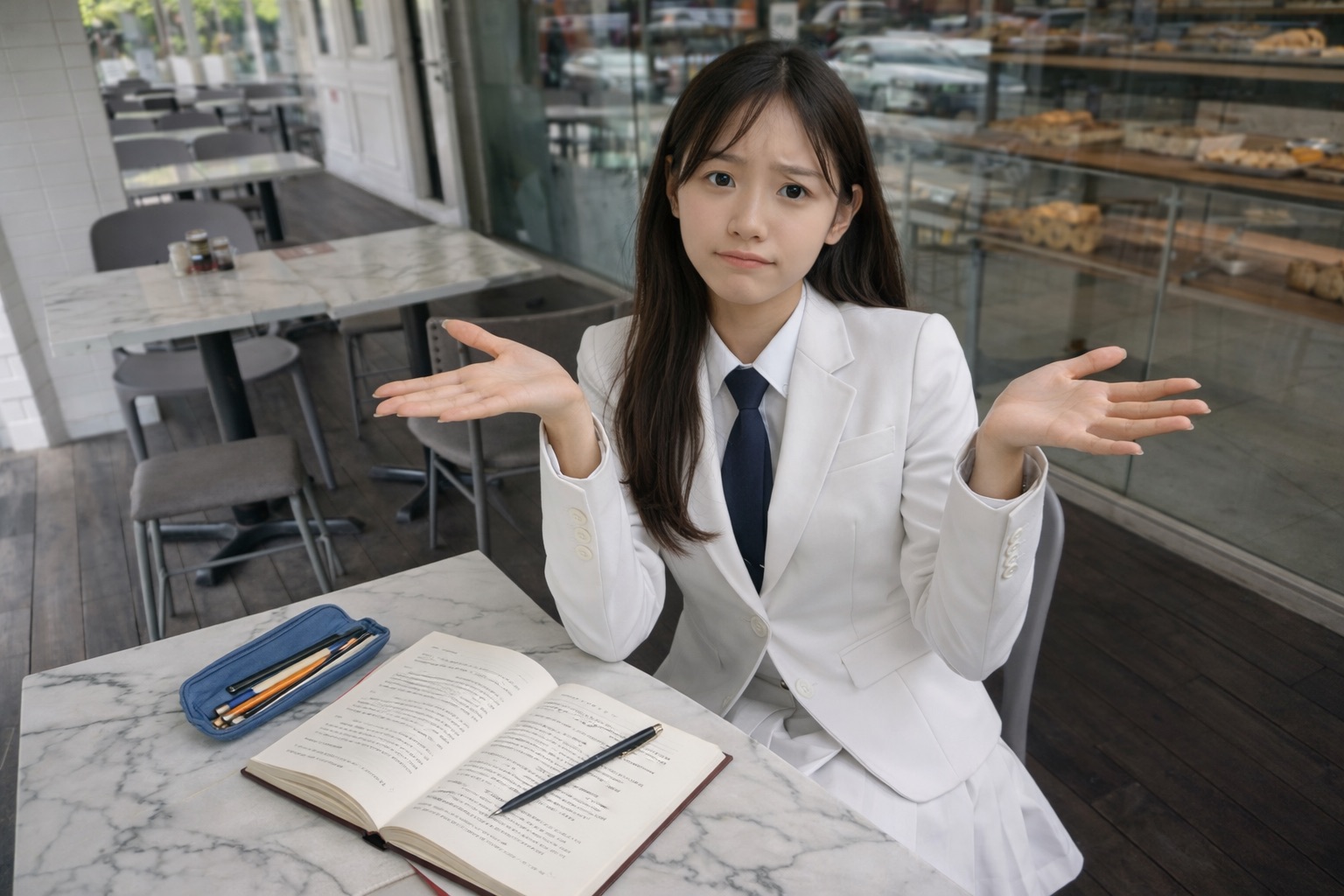
Top 100 Primary Science Tuition Tips for Sengkang
Mastering Primary Science requires a solid foundation, critical thinking skills, and effective learning strategies. At eduKate Singapore in Sengkang, our Primary Science Tuition program is designed to help students develop a thorough understanding of core science concepts and apply them confidently. Here are 100 essential tips to support students in achieving success in Primary Science, with guidance on understanding, applying, and excelling in this important subject.
1-10: Building a Solid Foundation in Science
- Follow the MOE Primary Science Syllabus: Ensure lessons align with the Ministry of Education’s Primary Science syllabus to cover all key topics.
- Understand Core Concepts: Focus on grasping the basics of each topic, such as life cycles, habitats, and energy.
- Learn Key Terminology: Master scientific vocabulary relevant to each topic.
- Use Visual Aids: Diagrams, illustrations, and charts can help simplify complex concepts.
- Practice with Real-World Examples: Relating science concepts to everyday life helps in understanding.
- Hands-On Learning: Conduct simple experiments at home to make learning more engaging.
- Active Note-Taking: Encourage students to summarize and rewrite lessons in their own words.
- Review Regularly: Frequent review helps in retaining important information.
- Use a Science Notebook: Document observations, experiment results, and reflections.
- Ask Questions: Encourage curiosity by asking why and how questions during lessons.
11-20: Developing Critical Thinking Skills
- Analyze Information Carefully: Teach students to examine information critically rather than memorizing it.
- Encourage Hypothesis Creation: Teach students to make educated guesses based on prior knowledge.
- Predict Outcomes: Learning to anticipate results helps in understanding cause and effect.
- Problem-Solving Practice: Focus on how to approach scientific questions logically.
- Compare and Contrast: Identify similarities and differences between related concepts.
- Use “What if” Scenarios: Encourage thinking about different outcomes.
- Ask for Explanations: Challenge students to explain concepts in their own words.
- Mind Mapping: Use visual connections between ideas for clarity.
- Analyze Errors: Review and learn from mistakes in past assessments.
- Engage in Group Discussions: Group work promotes collaborative learning and critical thinking.
21-30: Exam Preparation and Practice
- Use Past-Year Papers: Practicing with previous exam papers familiarizes students with the format.
- Set Timed Practice Sessions: Time management is key in exam settings.
- Create a Study Plan: Plan out study topics well in advance of exams.
- Focus on Marking Schemes: Understand how answers are evaluated for full marks.
- Complete Mock Exams: Mimic exam conditions to build confidence.
- Practice Objective Questions: Familiarize students with multiple-choice formats.
- Work on Open-Ended Questions: Develop structured answers to longer questions.
- Review Weak Areas: Identify and focus on challenging topics for improvement.
- Understand Question Phrasing: Teach students how to identify keywords in questions.
- Teach Scientific Method: Help students understand the steps of scientific inquiry.
31-40: Improving Observation and Analytical Skills
- Teach Observation Techniques: Observation is key in experiments and real-life applications.
- Use Daily Scenarios: Encourage observations of nature, weather, and surroundings.
- Document Observations: Record findings in a notebook for reference.
- Analyze Experiment Results: Focus on understanding outcomes, not just getting answers.
- Ask Reflective Questions: Reflect on what was learned and how it applies.
- Use Comparison in Analysis: Compare results with expectations.
- Look for Patterns: Identifying patterns helps in understanding scientific relationships.
- Encourage Inquiry-Based Learning: Allow students to explore and learn by doing.
- Practice Making Predictions: Predict outcomes based on observations.
- Review Experiment Steps: Go through each step to understand its importance.
41-50: Reinforcing Knowledge Through Practical Learning
- Hands-On Experiments: Conduct simple, safe experiments to see concepts in action.
- Use Everyday Materials: Household items can demonstrate scientific principles.
- Discuss Real-Life Applications: Relate lessons to things they encounter daily.
- Explore Nature: Field trips, if possible, help connect theory with real-world examples.
- Build Simple Models: Physical models can help visualize scientific concepts.
- Use Online Resources: Access videos and animations to understand complex processes.
- Join Science Clubs or Camps: Extra-curricular activities reinforce classroom learning.
- Engage in Citizen Science Projects: Participate in activities like bird-watching.
- Interactive Simulations: Use apps or websites with interactive science modules.
- Encourage Curiosity: Foster a love of learning by exploring topics of interest.
51-60: Strengthening Retention and Memory
- Teach Mnemonics: Mnemonic devices aid in remembering complex information.
- Summarize Key Points: Rewriting summaries reinforces memory.
- Create Flashcards: Useful for quick reviews and vocabulary building.
- Use Repetition: Repetition of core ideas helps with long-term retention.
- Practice Active Recall: Self-quizzing improves memory.
- Engage in Peer Teaching: Teaching concepts to others reinforces understanding.
- Create Visual Summaries: Use posters or diagrams to summarize topics.
- Link New Knowledge with Old: Connect new information to familiar topics.
- Space Out Revision: Spaced repetition helps with memory retention.
- Regular Testing: Assess understanding frequently to reinforce learning.
These tips aim to provide students with a comprehensive approach to excelling in Primary Science. Through structured lessons, consistent practice, and critical thinking development, eduKate Singapore’s program supports students at every stage, preparing them for academic success and building skills that last a lifetime.
Why Choose Primary Science Tuition in Sengkang? A First Principles Approach
As parents consider whether to enroll their child in Primary Science tuition in Sengkang, it’s natural to question the core reasons behind this decision. Can students excel in Science without additional support? By examining the first principles of education, we can better understand the value that Primary Science tuition offers. This approach helps parents evaluate whether tuition is necessary for their child’s academic growth, especially in preparing for the Primary School Leaving Examination (PSLE) and beyond.
Challenging the Necessity of Science Tuition
Before committing to tuition, let’s explore the possibility of students thriving without it. Some reasons parents may hesitate include:
- Encouraging Self-Reliance: Belief that children should develop independent study habits.
- Avoiding Overcommitment: Concern that additional classes may overwhelm the student.
- Financial Considerations: Tuition fees can be a significant financial investment.
But can students truly master the challenging concepts of Primary Science in today’s competitive academic landscape without any external guidance?
Understanding the Core Objectives of Science Tuition
To answer this question, we must look at the fundamental goals of Primary Science education:
- What Are We Trying to Achieve?
- Foundation of Scientific Knowledge: Building a solid understanding of key scientific concepts.
- Practical Skills Development: Enhancing skills such as observation, analysis, and critical thinking.
- PSLE Preparation: Equipping students with the knowledge and skills to excel in the PSLE Science examination.
- Why Is Tuition Beneficial?
- Individualized Learning: Addressing each child’s unique needs and learning pace.
- Hands-On Experience: Offering experiments and interactive activities to reinforce learning.
- Exam Readiness: Providing students with proven strategies to tackle PSLE Science questions confidently.
How Primary Science Tuition in Sengkang Supports These Goals
When considering these objectives, Primary Science tuition in Sengkang offers several advantages:
- Experienced Tutors: Teachers who specialize in Primary Science and are well-versed in the latest MOE syllabus.
- Small Group Settings: Personalized attention in small classes, allowing tutors to address each student’s needs.
- Interactive Learning: Using hands-on experiments, practical applications, and engaging discussions to deepen understanding.
- Focused Exam Preparation: Access to past PSLE questions, practice papers, and mock exams to build confidence.
Comparing Outcomes: With Tuition vs. Without Tuition
To determine if tuition is necessary, let’s explore the potential outcomes of both options.
Without Tuition
- Limited Individual Support: In large classrooms, it can be difficult for teachers to provide individual attention.
- Surface-Level Understanding: Without additional practice, students may miss key concepts that impact their future studies.
- Potential Stress: As the PSLE approaches, lack of clarity in certain topics can lead to anxiety and frustration.
With Tuition
- Deepened Understanding: Concepts are revisited and explained in various ways to ensure comprehension.
- Confidence Boost: Regular practice and feedback lead to improved self-confidence.
- Competitive Edge: Students gain skills and knowledge that give them an advantage in exams and future studies.
Long-Term Benefits of Primary Science Tuition
Investing in Science tuition extends beyond immediate academic results and lays a strong foundation for:
- Secondary Science Subjects: Building an early understanding of scientific principles supports future studies in subjects like Chemistry, Physics, and Biology.
- Analytical Thinking: Developing the ability to critically assess information, a skill useful in all areas of life.
- Interest in STEM: Nurturing a love for science can open doors to future careers in science, technology, engineering, and math.
Questions Parents Should Ask Themselves
- Is my child grasping core Science concepts with ease?
- Does my child show an interest in Science that tuition could help nurture?
- Would one-on-one guidance help my child overcome specific challenges?
- Is my child adequately prepared for the demands of the PSLE?
- How much time and resources am I able to dedicate to supporting my child at home?
Choosing Primary Science tuition in Sengkang is a decision that requires consideration of both short-term academic needs and long-term educational goals. By understanding the core objectives of tuition and exploring the outcomes with and without it, parents can make a well-informed choice that aligns with their aspirations for their child’s success.
Empower Your Child’s Scientific Journey
Ultimately, the goal is to provide children with the tools and confidence they need to excel in Science, both for the PSLE and in future academic pursuits.
Conclusion
At eduKate Singapore, our Primary Science Tuition program in Sengkang is designed to empower students with the skills, strategies, and confidence they need to excel. By focusing on foundational knowledge, hands-on learning, and critical thinking, we aim to nurture a love of science and a curiosity about the world around us.
- Integrity: We foster a learning environment that values honesty and accuracy in scientific inquiry.
- Empathy: Understanding the challenges of learning science, we create a supportive space for all students.
- Critical Thinking: Our program emphasizes inquiry-based learning, encouraging students to think logically.
- Responsibility: We guide students to take ownership of their learning journey, building lifelong skills.
Join Our Primary Science Tuition Program in Sengkang Today
Empower your child with the skills and confidence to succeed in Primary Science. At eduKate Singapore, we are dedicated to nurturing each student’s potential through quality education and personalized support.
Contact Us to Enrol or Learn More:
Phone: +65 82226327
Email: admin@edukatesg.com
Website: eduKate Singapore Homepage
Follow us on Facebook for updates, educational tips, and more:
Useful Links
- MOE Primary Education: Learn more about primary education in Singapore at the Ministry of Education.
- MOE Syllabus Information: View the official syllabus at the MOE Curriculum Syllabus.
- SEAB PSLE Information: For details on the PSLE examinations, visit the Singapore Examinations and Assessment Board.

 Sengkang Tuition Centre Primary Secondary English Math Science